

Phúc Âm cho Cơ Đốc nhân–part 6
Chương 5:Đời Sống Cơ Đốc Trọn Vẹn: Sự Cứu Rỗi
‘Trong chương bốn chúng ta đã xem xét các chi tiết quan trọng của sự nên
thánh. Bây giờ, chúng ta hãy xem xét một biểu đồ khác sẽ giúp chúng ta
hiểu rõ hơn về bức tranh lớn hơn của đời sống Cơ Đốc. Biểu đồ bên dưới
này có ba phần. Chúng ta sẽ tập trung chủ yếu vào hai phần đầu tiên.’
-Ken Hanks
Buy e-book here
(or buy paper copy in Vietnamese at your local Christian bookstore in Vietnam)
(GSiV: Phúc Âm cho Cơ Đốc nhân–part 1; Key materials on gospel grace ; GSiV Resource Page)
Khi bạn không dễ tha thứ–part 5
‘Thứ ba, xưng nhận tội lỗi của bạn với một tín hữu trưởng thành, đáng tin cậy trong Hội thánh của bạn. Nói cách khác, hãy chạy đến với gia đình hội thánh của bạn. Tìm một anh em đáng tin cậy (hoặc nếu bạn là nữ, thì tìm một chị em đáng tin cậy) trong Hội thánh của bạn. Bạn có thể chia sẻ điều này với mục sư hoặc một người nào khác trong Hội thánh không? (Xem Gia-cơ 5:9, 14-15.)’
đọc thêm
(GSiV: repentance; Humility; Sanctification; Nhu mì và Khiêm nhường, Part 6; Killing Resentment; Khi bạn không dễ tha thứ; When you’re not good at forgiveness)
Contentment: Putting our smallness in perspective
“I deserve nothing. I am nothing, and I deserve nothing. Suppose I lack this and that thing which others have? I am sure that I deserve nothing except it be Hell. You will answer any of your servants, who is not content: I wonder what you think you deserve? or your children: do you deserve it that you are so eager to have it? You would stop their mouths thus, and so we may easily stop our own mouths: we deserve nothing and therefore why should we be impatient if we do not get what we desire. If we had deserved anything we might be troubled, as in the case of a man who has deserved well of the state or of his friends, yet does not receive a suitable reward, it troubles him greatly, whereas if he is conscious that he has deserved nothing, he is content with a rebuff” (pp 87-88).
-Jeremiah Burroughs (1600-1646), The Rare Jewel of Christian Contentment
(GSiV: repentance; Humility; Sanctification; Nhu mì và Khiêm nhường, Part 6😉
Trở về từ Xứ Xa, Ông Yuan–part 7
Chương 5
Được Sinh Lại
Angela: Ngày 18 Tháng 5, 1993
‘Tôi bước ra khỏi phòng nha với tâm trạng hân hoan. Thật nhẹ nhõm khi gặp Christopher để nói ra điều tôi muốn nói. Sau thử thách con công khai mình là người đồng tính, tôi đã có thể đích thân nói với con rằng tôi yêu con cho dù có thế nào. Cuối cùng thì cũng có chút ánh sáng đang chiếu vào cuối đường hầm tôi đang sống. Khi đứng ở góc đường chờ đèn giao thông, tôi từ bỏ kế hoạch kết liễu đời mình. Nhưng tôi chưa sẵn sàng trở về nhà với chồng tôi. Lần đầu tiên suốt khoảng thời gian dài – mà có lẽ là chưa bao giờ – tôi cảm thấy bình an. Nhưng tôi cần ở một mình, có lẽ cần thêm thời gian để quyết định phải làm gì tiếp theo.’
-Christopher Yuan and Angela Yuan, Out of a Far Country: A Gay Son’s Journey to God. A Broken Mother’s Search for Hope (2011) / Trở về từ Xứ Xa: Hành trình của người con đồng tính quay về với Đức Chúa Trời và Hành trình của người mẹ đau khổ tìm thấy hy vọng (2022).
Xin mua ở đây
(GSiV: Yuan; Phúc Âm Là Gì?; repentance; Gospel Grace Versus Dead Religion–part 6; Rosaria Butterfield’s new book)
A great brief summary of Calvinism (in English)
So many Christians misunderstand what this beautiful doctrine teaches. This Crossway interview of pastor Kevin DeYoung is a wonderful resource.
- “Who plays ultimately the decisive role in your salvation?…”
Listen to all of “Calvinism 101” here
(GSiV: When God Elects: A Practical Doctrine for Us; Election; Atonement; Piper; Eternal security; Salvation; Evangelism and Calvinism; TULIP; Reformation History); The practical doctrine of election; What is Reformed theology?)
‘Giáo Luật của Dordt (Dort)’ Là Gì?–part 18
Canons of Dordt (Dort)
The Canons of Dort (Rules or Guidelines of Dordt) come from an international council (synod / Hội Nghị) of Reformed people which took place in the city of Dordrecht (Dordtrecht), Netherlands in 1618-1619.
Giáo Điều Phần Thứ I
Sự Lựa Chọn Thiên Thượng và Sự Hư Mất
‘Điều 18: Đối với những ai còn tỏ vẻ không hài lòng trước ân điển nhưng không của sự lựa chọn và nghiêm khắc công bình của điều luật vứt bỏ, chúng ta cùng với Vị Sứ Đồ để trả lời họ như sau: “Nhưng hỡi ngươi, ngươi là ai, mà dám cãi lại cùng Đức Chúa Trời?” (Rô-ma 9:20). Chúng ta cũng trích lời của Chúa Christ:…’
Full document in Vietnamese here.
See GSiV Resources page
(Also see here
Đức Chúa Trời và Sự Cứu Rỗi: Tín Lý Về Ân Điển Quyền Năng; Một Người Tên Là Martin: Video; Piper at GSiV)
Khi bạn không dễ tha thứ–part 4
Thứ hai, hãy đến với Lời Chúa. Hãy dầm thắm tâm trí mình trong những khúc Kinh Thánh dạy về sự tha thứ. Hãy nhớ lại những gì Đấng Christ đã làm – cho bạn và cho người khác. Cũng đừng quên những phân đoạn nói về những gì Chúa sẽ làm cho bạn.
đọc thêm
(GSiV: repentance; Humility; Sanctification; Nhu mì và Khiêm nhường, Part 6; Killing Resentment)
Khi bạn không dễ tha thứ–part 3
‘Trước tiên, hãy xưng tội với Chúa. Thường thì chúng ta hổ thẹn khi thừa nhận vấn đề này về chính mình (chúng ta cũng cần thường xuyên xưng ra sự kiêu ngạo của chúng ta với Chúa). Ngài biết tất cả về chúng ta. Chúng ta có xấu hổ khi cho bác sĩ biết mình đang bệnh không? Có thể, nhất là khi chúng ta bệnh vì sự chủ quan của mình. Nhưng Ngài biết chúng ta cần Ngài. Chúng ta có nhận thức được mình cần Ngài như thế nào không? Chúa Jesus phán, “Hỡi những kẻ mệt mỏi và gánh nặng, hãy đến cùng Ta.”’
-GSiV
đọc thêm
(GSiV: repentance; Humility; Sanctification; Nhu mì và Khiêm nhường, Part 6; Killing Resentment)
The sweet taste of forgiving others–not getting revenge
‘Far better to forgive twenty times over than to get even once — and not only for your brother but for yourself. In the moment, of course, forgiveness feels far more painful than getting revenge or holding a grudge. But only in the moment. Forgiveness is medicine whose bitterness heals; the grudge poisons with sweetness.’
-DesiringGod
Read more here
(GSiV: repentance; Humility; Sanctification; Nhu mì và Khiêm nhường, Part 6; Killing Resentment; Khi bạn không dễ tha thứ)
When God Elects: A Practical Doctrine for Us
‘Predestination also says something important about us: apart from a unilateral work of grace, we cannot please God. We are dead in our sins, and dead men can do nothing (Eph. 2:1). Therefore, we ignore predestination to our own spiritual malnourishment.’
Read the whole thing here
(GSiV: Election; Atonement; Piper; Eternal security; Salvation; How do we stop loving the darkness?; Phúc Âm cho Cơ Đốc nhân; The practical doctrine of election)
When you’re not good at forgiveness
What do you do when you’re not forgiving others well? Ever feel like a failure here?
First, confess it to the Lord. Often, we’re ashamed to admit this about ourselves (usually we also need to confess our pride to the Lord). He knows everything about us. Would we be ashamed to confess to our doctor that we’re sick? Maybe, especially if we’re sick because of our own neglect. But the Lord knows we need him. Do we know how much we need him? Jesus says, “Come unto me all who are weary and heavy laden.” If we’re not forgiving others, we’re weary and heavy laden. We qualify. Thus, run to our Savior. Paul encouraged the Thessalonian believers to look to the Lord who was faithful. (Not look to themselves.) God would guard and establish them. Then he said, prayerfully, “May God direct your hearts to God’s love and to the steadfastness of Christ.” It wasn’t about overanalyzing one’s spiritual condition and thus looking inwardly even more. But he was calling for an outward look. Look to the only One who could ever solve your sin problem. It was true that you needed to look to the Lord when you first called on him for salvation. And you need him now; you still must come to him poor: empty hands and empty mouth; you still need to do that if you’re going to grow in Christ. His good news is still good news to you as a Christian. So, fear not; come to him now, and confess that you’re lousy at forgiving others.
Second, run to Scripture. Soak your mind in all the passages about forgiveness. Recall what Christ has done–for you and for others. Don’t forget those passages about what he’ll do for you. His love for you can overflow as can your love for others. Also, note those warning passages if you harden your heart (Hebrews 3:15). Be warned; this is serious.
Third, confess your sin to a maturing, trusted Christian at your church. In other words, run to your church family. Find a trusted brother (or if you’re a woman, a trusted sister) at your church. Can you share this with your pastor or someone else in your congregation? (See James 5:9, 14-15.)
Then, when needed, repeat these steps. I’m not saying the above steps are all there is to forgiving well. But these steps ought to get you started, get us started. Don’t settle for staying stuck; that’s called bitterness. Lean into your church and into the Lord’s Word. You will find help. “Let us then with confidence draw near to the throne of grace, that we may receive mercy and find grace to help in time of need” (Hebrews 4:16).
-GSiV
(GSiV: repentance; Humility; Sanctification; Nhu mì và Khiêm nhường, Part 6; Killing Resentment; Khi bạn không dễ tha thứ)
Khi bạn không dễ tha thứ
Bạn làm gì khi nhận thấy mình không dễ tha thứ cho người khác? Bạn có từng cảm thấy điều này giống như một thất bại?
Trước tiên, hãy xưng tội với Chúa. Thường thì chúng ta hổ thẹn khi thừa nhận vấn đề này về chính mình (chúng ta cũng cần thường xuyên xưng ra sự kiêu ngạo của chúng ta với Chúa). Ngài biết tất cả về chúng ta. Chúng ta có xấu hổ khi cho bác sĩ biết mình đang bệnh không? Có thể, nhất là khi chúng ta bệnh vì sự chủ quan của mình. Nhưng Ngài biết chúng ta cần Ngài. Chúng ta có nhận thức được mình cần Ngài như thế nào không? Chúa Jesus phán, “Hỡi những kẻ mệt mỏi và gánh nặng, hãy đến cùng Ta.” Nếu chúng ta đang không tha thứ cho ai đó, chúng ta sẽ nặng nề và mệt mỏi. Chúng ta đủ điều kiện. Do vậy, hãy chạy đến cùng Đấng Cứu Rỗi. Phao-lô khích lệ các tín hữu tại Tê-sa-lô-ni-ca hãy nhìn lên Chúa là Đấng thành tín. (Không phải nhìn vào chính họ.) Đức Chúa Trời sẽ bảo vệ và làm vững mạnh họ. Sau đó ông nói như lời cầu nguyện, “Nguyền xin Chúa soi dẫn lòng anh em tới đến sự yêu mến Đức Chúa Trời, và sự nhịn nhục của Đấng Christ”. Điều này không phải là phân tích quá sâu vào tình trạng thuộc linh của một người và thậm chí càng tập trung sâu hơn. Nhưng ông đang kêu gọi đến cái nhìn ra bên ngoài. Hãy nhìn lên Đấng duy nhất có thể giải quyết tình trạng tội lỗi của bạn. Một điều chắc chắn là bạn cần trông xem Chúa khi lần đầu bạn đến với Ngài xin Ngài cứu chuộc bạn. Và bạn cần Ngài ngay lúc này; bạn vẫn phải đến với Chúa trong tinh thần của một người nghèo khó: với đôi tay trắng và môi miệng trống không; bạn vẫn cần phải như vậy để tăng trưởng trong Đấng Christ. Khi là Cơ-đốc nhân thì tin lành của Ngài vẫn là tin lành của bạn. Vì thế, đừng sợ hãi; bây giờ hãy đến với Chúa, và xưng nhận với Ngài rằng bạn thật kém cỏi trong việc tha thứ cho người khác.
Thứ hai, hãy đến với Lời Chúa. Hãy dầm thắm tâm trí mình trong những khúc Kinh Thánh dạy về sự tha thứ. Hãy nhớ lại những gì Đấng Christ đã làm – cho bạn và cho người khác. Cũng đừng quên những phân đoạn nói về những gì Chúa sẽ làm cho bạn. Tình yêu của Ngài dành cho bạn có thể tuôn tràn ra cũng như tình yêu của bạn cho những người khác. Cũng phải lưu ý đến những khúc Kinh Thánh cảnh báo nếu bạn cứ cứng lòng (Hê-bơ-rơ 3:15). Hãy cảnh giác; điều này rất nghiêm túc.
Thứ ba, xưng nhận tội lỗi của bạn với một tín hữu trưởng thành, đáng tin cậy trong Hội thánh của bạn. Nói cách khác, hãy chạy đến với gia đình hội thánh của bạn. Tìm một anh em đáng tin cậy (hoặc nếu bạn là nữ, thì tìm một chị em đáng tin cậy) trong Hội thánh của bạn. Bạn có thể chia sẻ điều này với mục sư hoặc một người nào khác trong Hội thánh không? (Xem Gia-cơ 5:9, 14-15.)
Sau đó, khi cần, lặp lại những bước này. Tôi không nói rằng những bước trên là tất cả những gì cần để bạn có thể dễ dàng tha thứ. Nhưng những bước này sẽ giúp bạn bắt đầu, giúp chúng ta bắt đầu. Đừng dậm chân tại chỗ; đó gọi là cay đắng. Hãy dựa vào Hội thánh của bạn và vào Lời Chúa. Bạn sẽ tìm thấy sự giúp đỡ. “Vậy, chúng ta hãy vững lòng đến gần ngôi ơn phước, hầu cho được thương xót và tìm được ơn để giúp chúng ta trong thì giờ có cần dùng” (Hê-bơ-rơ 4:16).
-GSiV
(GSiV: repentance; Humility; Sanctification; Nhu mì và Khiêm nhường, Part 6; Killing Resentment)



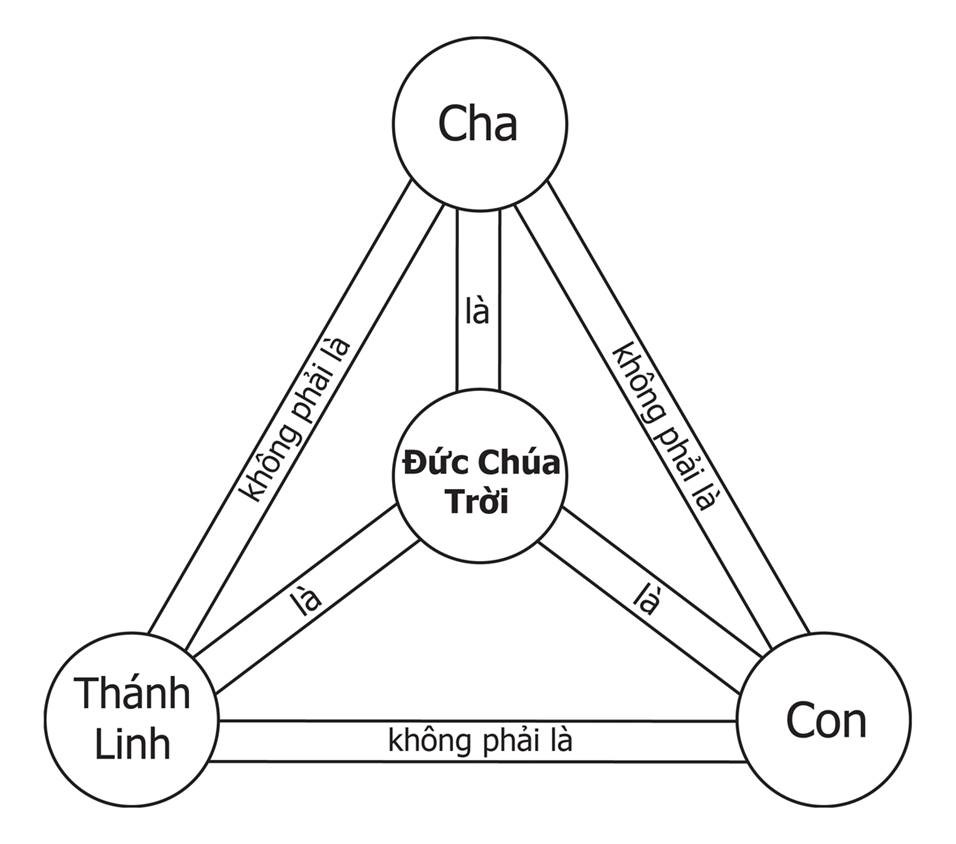



 QUYỀN NĂNG CAO CẢ CỦA ĐỨC CHÚA TRỜI Ở VIỆT NAM (Ê-phê 1:4-5)