

Trở về từ Xứ Xa, Ông Yuan–part 5
Chương 3
Kết Thúc Cho Một Khởi Đầu
Angela: Ngày 15 Tháng 5, 1933
‘Tôi không thể rời khỏi sàn phòng khách. Lời tuyên bố gây choáng váng của Christopher – và sự bỏ đi vô cảm của nó–khiến tôi cảm thấy lạnh giá và không còn sức sống. Không bàn thảo. Không thỏa hiệp. Chỉ là đóng sầm cánh cửa thay cho lời “Từ biệt…ngàn thu.” Nghe tin nó chết chắc hẳn còn dễ chấp nhận hơn tất cả chuyện này.’
-Christopher Yuan and Angela Yuan, Out of a Far Country: A Gay Son’s Journey to God. A Broken Mother’s Search for Hope (2011) / Trở về từ Xứ Xa: Hành trình của người con đồng tính quay về với Đức Chúa Trời và Hành trình của người mẹ đau khổ tìm thấy hy vọng (2022).
Xin mua ở đây
(GSiV: Yuan; Phúc Âm Là Gì?; repentance; Gospel Grace Versus Dead Religion–part 6; Rosaria Butterfield’s new book)
Phúc Âm cho Cơ Đốc nhân–part 4
Chương 3: Được Xưng Công Chính Là Gì?
Đức Chúa Trời tuyên bố chúng ta là công chính
‘Trong chương trước, chúng ta đã biết rằng có một mối hiểm họa chết người trong tư duy thể hiện mà nhiều tín hữu đi theo. Đó là ý niệm cho rằng ân điển đã dành cho chúng ta để chúng ta được cứu, nhưng bây giờ chúng ta đã được cứu rồi thì chúng ta phải nỗ lực để được Chúa yêu, làm điều thiện để khi chết chúng ta sẽ được lên thiên đàng. Nhưng tư duy này chẳng khác gì so với các tôn giáo khác – cố gắng để làm cho các thần làm điều gì đó cho chúng ta, làm thỏa mãn các thần để họ không làm hại chúng ta. Đức Chúa Trời của Kinh Thánh rất khác….’
-Ken Hanks
Buy e-book here
(or buy paper copy in Vietnamese at your local Christian bookstore in Vietnam)
(GSiV: Phúc Âm cho Cơ Đốc nhân–part 1; Key materials on gospel grace ; GSiV Resource Page)
The Reason Christ Came: Purpose of Election
‘So God designed us to praise him, and he designed us to get a satisfying delight in praising him. We most glorify God when he most satisfies us. This is what God made us for. So how can we summarize the goal of election in a single sentence? The goal of election is for God…’
-Andy Naselli
Read the whole thing or watch video here
(GSiV: Sovereignty verses; Election; Atonement; Piper; Eternal security; Salvation; How do we stop loving the darkness?; Phúc Âm cho Cơ Đốc nhân)
Phúc Âm cho Cơ Đốc nhân–part 3
Chương 2: Đời Sống Cơ Đốc Nhân
‘Trong chương một, chúng ta đã xem xét các phân đoạn Kinh Thánh trong Cô-lô-se và Ê-phê-sô để biết thêm về đời sống Cơ Đốc khỏe mạnh. Chúng ta đã phác thảo một số chi tiết về sự xưng công chính và nên thánh. Nếu bạn chưa đọc chương một, hãy quay trở lại đọc nhé, bởi vì đó là nền tảng cho điều chúng ta sẽ thảo luận trong chương này. Trong chương này, chúng ta sẽ tìm hiểu thêm sống đời sống Cơ Đốc vì vinh hiển của Đức Chúa Trời là gì.’
-Ken Hanks
Buy e-book here
(or buy paper copy in Vietnamese at your local Christian bookstore in Vietnam)
(GSiV: Phúc Âm cho Cơ Đốc nhân–part 1; Key materials on gospel grace ; GSiV Resource Page)
Rosaria Butterfield’s new book
Lie #1: Homosexuality Is Normal
Chapter 1: Once Gay, Always Gay?
Chapter 2:What Is Intersectionality?
Chapter 3: What Are Homosexual Orientation and Gay Christianity?
Chapter 4: Why Is Homosexuality a Sin When It Feels Normal to Some People?
Lie #2: Being a Spiritual Person Is Kinder than Being a Biblical Christian
Chapter 5: Where Is God—in an Ancient Book or in Me?
Chapter 6: The Bible Knows Me Better than I Know Myself
Lie #3: Feminism Is Good for the World and the Church
Chapter 7: Do You Know Yourself and How Do You Know?
Chapter 8: Does the Gospel Need a Feminist Rescue?
Chapter 9: The Power of a Woman’s Voice
Lie #4: Transgenderism Is Normal
Chapter 10: The Sin of Envy
Chapter 11: The War of Words
Chapter 12: Eternal Life Means More than Just Living Forever
Lie #5: Modesty Is an Outdated Burden That Serves Male Dominance and Holds Women Back
Chapter 13: In the Presence of My Enemies
Chapter 14: Exhibitionism: The New Almost-Christian Virtue
Discover more here
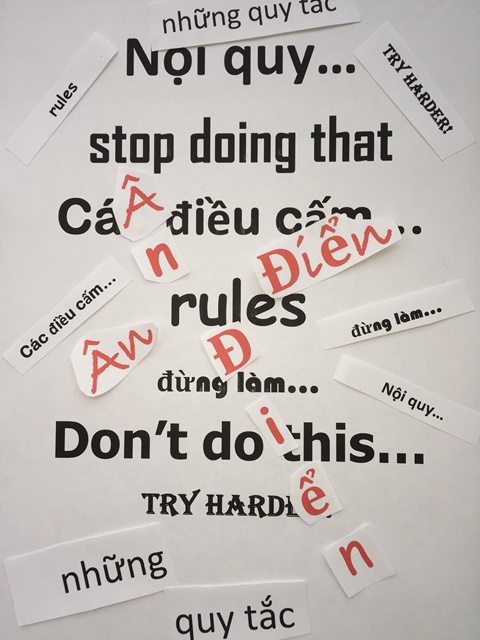
(GSiV: R. Butterfield on modesty; Phúc Âm Là Gì?; repentance; Gospel Grace Versus Dead Religion–part 6; Trở về từ Xứ Xa, Ông Yuan–part 4; Ân điển, chứ không phải những quy tắc / Grace not rules; Gospel Grace Versus Dead Religion–part 6; Sanctification (Sự nên thánh): Erickson–part 1)
R. Butterfield on modesty
How women dress matters. It’s especially important for Christian women. How they display (reveal or conceal) their bodes effects them and others. It says much about their view of God and themselves. In a world that’s increasingly immoral, these biblical teachings draw us back to God himself, not merely rules. Listen to Butterfield’s discerning words on this issue from her new book about five lies Christians commonly believe.
Watch video here.
(GSiV: Modesty: Non-sensual clothing and holiness; Phúc Âm Là Gì?; repentance; Gospel Grace Versus Dead Religion–part 6;Trở về từ Xứ Xa, Ông Yuan–part 4; Ân điển, chứ không phải những quy tắc / Grace not rules; Gospel Grace Versus Dead Religion–part 6; Sanctification (Sự nên thánh): Erickson–part 1)
Persecution of Christians in USA
‘The radical Left, however, are deeply dishonest. Expect Judge Kavanaugh treatment. They don’t want a free exchange of ideas. On the contrary, they want to shut it down. They will also endeavor to use the courts to bankrupt you, media to smear you, and threats to intimidate you. Every day another person, corporation, or church bends the knee to their godless agenda. If you are doing your job you should expect this sort of abuse. Perhaps the windows of your church or home will be smashed. Maybe you will be called a racist or a preacher of hate on social media. Or you might even be physically assaulted. As I said, expect it, lean into it, and rejoice as the Apostles did in Acts 5:41 when it comes. It means you are doing something right.’
-Larry Taunton
Read the whole thing here
(GSiV: Humility; heaven; suffering; Peace; Tada; Unity; More Resources)
Đức Chúa Trời là Phúc âm, Piper–part 1
God is the Gospel
‘Quà tặng tốt lành nhất và tối hậu của Phúc âm đó là chúng ta có được Đấng Christ. “Tôi cũng xem tất cả mọi sự như là lỗ, vì sự nhận biết Đấng Christ Jêsus, Chúa tôi, là quý hơn hết. Vì Ngài, tôi đành chịu lỗ tất cả, và xem những điều đó như rác rưởi, để được Đấng Christ” (Phi-líp 3:8). Đây là món quà tình yêu của Đức Chúa Trời dành cho tất cả mọi người qua Phúc âm — để nhìn thấy và nếm biết vinh hiển của Đấng Christ mãi mãi.’
-Đức Chúa Trời là Phúc âm (Lời Giới Thiệu), tr. 1
(hoặc mua tại nhà sách Cơ Đốc nhân địa phương ở Việt Nam)
(GSiV: Piper;
Năm Luận Điểm; Phúc Âm cho Cơ Đốc nhân; Prosperity Gospel?
; Elliff)
Trở về từ Xứ Xa, Ông Yuan–part 4
Chương 2
Tiết Lộ Bí Mật
Christopher: Ngày 15 Tháng 5, 1993
‘Lúc tôi đóng cửa bước ra, tôi thấy mẹ ngã xuống sàn. Tôi nghĩ, lại là một kịch bản gán tội nữa từ các bà mẹ người Hoa. Tôi đã thấy quá nhiều suốt những tháng năm bị kiểm soát bởi cảnh này. Hơn nữa, tôi chẳng phải là người Hoa. Tôi là người Mỹ, sinh ra và được nuôi dạy ở Chicago.’
-Christopher Yuan and Angela Yuan, Out of a Far Country: A Gay Son’s Journey to God. A Broken Mother’s Search for Hope (2011) / Trở về từ Xứ Xa: Hành trình của người con đồng tính quay về với Đức Chúa Trời và Hành trình của người mẹ đau khổ tìm thấy hy vọng (2022).
Xin mua ở đây
(GSiV: Phúc Âm Là Gì?; repentance; Gospel Grace Versus Dead Religion–part 6)
Phúc Âm cho Cơ Đốc nhân–part 2
Chương 1: Ai Cần Đến Phúc Âm?
‘Thông thường, chúng ta nghĩ Phúc âm là thông tin chỉ dành cho người hư mất. Ở đây chúng ta sẽ suy ngẫm về điều này và nghĩ về Phúc âm dành cho Cơ Đốc nhân, Phúc âm ấy chứa dựng hai yếu tố quan trọng: sự xưng công chính và sự nên thánh.’
-Ken Hanks
Buy e-book here
(or buy paper copy at your local Christian bookstore in Vietnam)
(GSiV: Phúc Âm cho Cơ Đốc nhân–part 1; Key materials on gospel grace ; GSiV Resource Page)
God alone generates stability: hope
‘Instead, I was hoping for a particular outcome. Whenever the desired outcome failed to materialize, I would despair. I needed to set my hope on God, regardless of the result. Much of our misery in trouble is due to misplaced hope — hoping in something or someone other than God himself. But quiet confidence in God alone generates stability and delight amid all the unhappy business of life.’
-Carolyn Mahaney
Read more here
(GSiV: hope; Ray Ortlund; Jerry Bridges; Scotty Smith)
Teaching us to long for heaven
- ‘That they may not become too complacent or delighted in married life, he makes them distressed by the shortcomings of their partners, or humbles them through wilful offspring, or afflicts them with the want or loss of children. But, if in all these matters he is more merciful to them, he shows them by diseases and dangers how unstable and passing all mortal blessings are, that they may not be puffed up with vain glory.’ (4:1:3)
- ‘It should not surprise us, indeed, if our natural feeling should be alarmed at hearing of our separation from this life. But it is intolerable that there should not be sufficient light and devotion in a Christian’s breast to suppress all that fear with an overwhelming consolation.’ (4:5:1)
- ‘But this we may positively state, that nobody has made any progress in the school of Christ unless he cheerfully looks forward to the day of his death and to the day of the final resurrection.’ (4:5:3)
-John Calvin, Golden Booklet [& Institutes, Book III, chp 6]
(GSiV: Heaven; John Calvin)





 QUYỀN NĂNG CAO CẢ CỦA ĐỨC CHÚA TRỜI Ở VIỆT NAM (Ê-phê 1:4-5)