
Some History on the “U” in TULIP
‘And of course, the issue of predestination–unconditional election–was the key controversy. The other elements kind of flowed from that, and so it made sense for the Synod to begin there. The attraction of TULIP, I think, is that there is a kind of logic to the order of TULIP, and I do believe if you start with total depravity, and you get people to really understand total depravity, then the rest of Calvinism does flow logically.
Now, we don’t believe it because it’s logical; we believe it because it’s biblical, and we can show biblical texts to support each of these points.’
-W. Robert Godfrey (Ligonier)
Read (or listen to) the whole thing here
(GSiV: A Mindset All Reformed Folks Need; ‘Giáo Luật của Dordt (Dort)’ Là Gì?–part 18; TULIP: Possible translations in Vietnamese; Election; Atonement; Piper; Eternal security; Salvation; Evangelism and Calvinism; TULIP; A great brief summary of Calvinism (in English); The Joys of Definite Atonement ;
A great brief summary of Calvinism (in English)
So many Christians misunderstand what this beautiful doctrine teaches. This Crossway interview of pastor Kevin DeYoung is a wonderful resource.
- “Who plays ultimately the decisive role in your salvation?…”
Listen to all of “Calvinism 101” here
(GSiV: When God Elects: A Practical Doctrine for Us; Election; Atonement; Piper; Eternal security; Salvation; Evangelism and Calvinism; TULIP; Reformation History); The practical doctrine of election; What is Reformed theology?)
‘Giáo Luật của Dordt (Dort)’ Là Gì?–part 18
Canons of Dordt (Dort)
The Canons of Dort (Rules or Guidelines of Dordt) come from an international council (synod / Hội Nghị) of Reformed people which took place in the city of Dordrecht (Dordtrecht), Netherlands in 1618-1619.
Giáo Điều Phần Thứ I
Sự Lựa Chọn Thiên Thượng và Sự Hư Mất
‘Điều 18: Đối với những ai còn tỏ vẻ không hài lòng trước ân điển nhưng không của sự lựa chọn và nghiêm khắc công bình của điều luật vứt bỏ, chúng ta cùng với Vị Sứ Đồ để trả lời họ như sau: “Nhưng hỡi ngươi, ngươi là ai, mà dám cãi lại cùng Đức Chúa Trời?” (Rô-ma 9:20). Chúng ta cũng trích lời của Chúa Christ:…’
Full document in Vietnamese here.
See GSiV Resources page
(Also see here
Đức Chúa Trời và Sự Cứu Rỗi: Tín Lý Về Ân Điển Quyền Năng; Một Người Tên Là Martin: Video; Piper at GSiV)
God alone generates stability: hope
‘Instead, I was hoping for a particular outcome. Whenever the desired outcome failed to materialize, I would despair. I needed to set my hope on God, regardless of the result. Much of our misery in trouble is due to misplaced hope — hoping in something or someone other than God himself. But quiet confidence in God alone generates stability and delight amid all the unhappy business of life.’
-Carolyn Mahaney
Read more here
(GSiV: hope; Ray Ortlund; Jerry Bridges; Scotty Smith)
Cut Satan’s throat with his own sword
‘When the devil tells us we are sinners and therefore damned, we may answer, “Because you say I am a sinner, I will be righteous and saved.” Then the devil will say, “No, you will be damned.” And I will reply, “No, for I fly to Christ, who has given himself for my sins. Satan, you will not prevail against me when you try to terrify me by telling me how great my sins are and try to reduce me to heaviness and despair. On the contrary, when you say I am a sinner, you give me armor and weapons against yourself, so that I can cut your throat with your own sword and tread you under my feet, for Christ died for sinners. My sin is on his shoulders, not mine. So when you say I am a sinner, you do not terrify me but comfort me immeasurably.’
-Martin Luther, commenting on Galatians 1:4
Read more
(GSiV: Luther; Key materials on gospel grace )
No Free Will: Bondage
‘In Romans 3:19, Paul declares that every mouth is to be shut tight because no one may argue against God’s judgment of them; for there is nothing in anyone that God can praise—not even a will that is free to turn to Him. If someone says, “I do have a little ability of my own to turn to God,” that must mean he thinks there is something in him that God must praise and not condemn. His mouth is not shut! But this contradicts Scripture.’
-Martin Luther, The Bondage of the Will: A Modern English Abridgment, p. 7
(GSiV: Mọi sự đều tùy thuộc vào ý chỉ của Chúa: Luther; Luther, Calvin, Farel, Reformation; Traditionalism/Provisionism;
Năm Điều Duy Nhất Của Cuộc Cải Chánh (5 onlys, 5 solas); Một Người Tên Là Martin: Video)
Mọi sự đều tùy thuộc vào ý chỉ của Chúa: Luther
‘Đức Chúa Trời đã hứa ban ơn cho kẻ khiêm nhường, tức là cho người nào đang than khóc và tuyệt vọng.
‘Nhưng chẳng có ai chịu hạ mình cho đến khi người đó biết rằng sự cứu rỗi nằm ngoài khả năng, phương tiện, nỗ lực, ý chí và việc làm, mà tùy thuộc hoàn toàn vào sự chọn lựa, ý muốn và công tác của một mình Đức Chúa Trời mà thôi.
‘Hễ người nào còn tin rằng ít ra bản thân có thể làm gì đó để được cứu rỗi, thì người đó vẫn còn tin cậy bản thân mình và chưa thực sự tuyệt vọng, vì thế người đó không hạ mình trước mặt Đức Chúa Trời, mà tưởng rằng — hay ít ra đang hy vọng hoặc khao khát — mình đã hạ mình ở một nơi, một thời điểm và một việc nào đó đã xảy ra, rồi vì thế mà người đó được cứu rỗi cho đến bây giờ. Nhưng khi ai đó hoàn toàn tin rằng mọi sự đều tùy thuộc vào ý chỉ của Đức Chúa Trời, thì người đó đã hoàn toàn tuyệt vọng và không còn lựa chọn khác cho mình nữa, nhưng trông đợi hành động của Đức Chúa Trời; thì đó là người đã tiến gần tới ân điển.’
‘God has assuredly promised his grace to the humble, that is, to those who lament and despair of themselves.
‘But no man can be thoroughly humbled until he knows that his salvation is utterly beyond his own powers, devices, endeavors, will, and works, and depends entirely on the choice, will, and work of another, namely, of God alone.
‘For as long as he is persuaded that he himself can do even the least thing toward his salvation, he retains some self-confidence and does not altogether despair of himself, and therefore he is not humbled before God, but presumes that there is–or at least hopes or desires that there may be–some place, time, and work for him, by which he may at length attain to salvation. But when a man has no doubt that everything depends on the will of God, then he completely despairs of himself and chooses nothing for himself, but waits for God to work; then he has come close to grace.’
—Bondage of the Will, in Luther’s Works, 33:61-62
Đọc thêm về Ông Luther ở đây
(GSiV: Luther, Calvin, Farel, Reformation & Sanctification &
Năm Điều Duy Nhất Của Cuộc Cải Chánh (5 onlys, 5 solas); Một Người Tên Là Martin: Video)
‘Giáo Luật của Dordt (Dort)’ Là Gì?–part 18
Canons of Dordt (Dort)
The Canons of Dort (Rules or Guidelines of Dordt) come from an international council (synod / Hội Nghị) of Reformed people which took place in the city of Dordrecht (Dordtrecht), Netherlands in 1618-1619.
Giáo Điều Phần Thứ I
Sự Lựa Chọn Thiên Thượng và Sự Hư Mất
Điều 18: Đối với những ai còn tỏ vẻ không hài lòng trước ân điển nhưng không của sự lựa chọn và nghiêm khắc công bình của điều luật vứt bỏ, chúng ta cùng với Vị Sứ Đồ để trả lời họ như sau: “Nhưng hỡi ngươi, ngươi là ai, mà dám cãi lại cùng Đức Chúa Trời?” (Rô-ma 9:20). Chúng ta cũng trích lời của Chúa Christ: “Ta há không có phép dùng của cải ta theo ý muốn ta sao?” (Ma-thi-ơ 20:15) và do đó, với lòng ngưỡng mộ thánh thiện đối với những sự bí nhiệm này, chúng ta đồng thanh lớn tiếng với Vị Sứ Đồ mà rằng: “Ôi! Sâu nhiệm thay là sự giàu có, khôn ngoan, và thông biết của Đức Chúa Trời! Sự phán xét của Ngài nào ai thấu được, đường nẻo của Ngài nào ai hiểu được! Vì ai biết ý tưởng Chúa, ai là kẻ bàn luận của Ngài? Hay là ai cho Chúa trước, đặng nhận lấy điều gì Ngài báo lại? Vì muôn vật đều là từ Ngài, bởi Ngài, và hướng về Ngài. Vinh hiển cho Ngài đời đời vô cùng. Amen.” (Rô-ma 11:33-36).
Full document in Vietnamese here.
See GSiV Resources page
(Also see here
Đức Chúa Trời và Sự Cứu Rỗi: Tín Lý Về Ân Điển Quyền Năng
; Một Người Tên Là Martin: Video; Piper at GSiV)
‘Giáo Luật của Dordt (Dort)’ Là Gì?–part 17
Canons of Dordt (Dort)
The Canons of Dort (Rules or Guidelines of Dordt) come from an international council (synod / Hội Nghị) of Reformed people which took place in the city of Dordrecht (Dordtrecht), Netherlands in 1618-1619.
Giáo Điều Phần Thứ I
Sự Lựa Chọn Thiên Thượng và Sự Hư Mất
Điều 17: Vì chúng ta xét ý muốn của Đức Chúa Trời qua lời của Ngài, và lời này làm chứng rằng con cái của những người tin Ngài là thánh thiện, không phải do tự nhiên, nhưng là do đặc tính của Giao Ước Ân Điển, trong đó bao gồm cả Cha Mẹ lẫn con cái. Những bậc cha mẹ tin kính không cần phải nghi ngờ gì về sự lựa chọn và cứu rỗi mà con cái họ được hưởng. Đức Chúa Trời lấy làm vui lòng khi kêu gọi con cái họ ra khỏi cuộc sống này, ngay từ khi chúng còn thơ ấu.
Full document in Vietnamese here.
See GSiV Resources page
(Also see here
Đức Chúa Trời và Sự Cứu Rỗi: Tín Lý Về Ân Điển Quyền Năng
; Một Người Tên Là Martin: Video; Piper at GSiV)
What the Lord causes (Isaiah 61:11)
| For as the earth brings forth its sprouts, and as a garden causes what is sown in it to sprout up, so the Lord God will cause righteousness and praise to sprout up before all the nations. ESV | Vả, như đất làm cho cây mọc lên, vườn làm cho hột giống nứt lên thể nào, thì Chúa Giê-hô-va cũng sẽ làm cho sự công-bình và sự khen-ngợi nứt ra trước mặt mọi dân-tộc thể ấy. Việt |
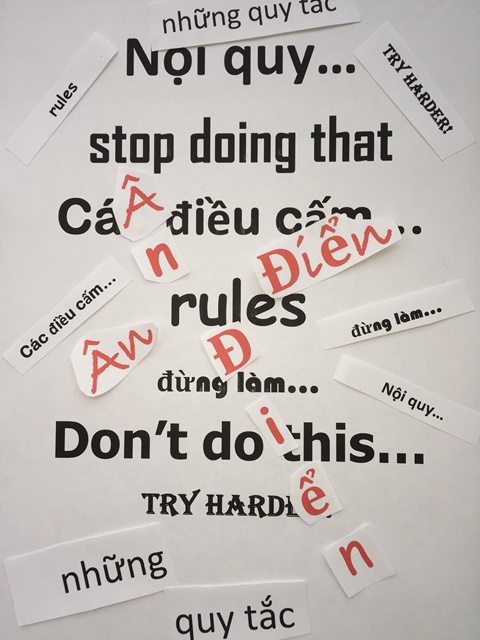
(GSiV: Grace; Ân điển, chứ không phải những quy tắc / Grace not rules; Earning vs effort: grace, justification, and sanctification; Grace Versus Dead Religion–part 6)
‘Giáo Luật của Dordt (Dort)’ Là Gì?–part 16
Canons of Dordt (Dort)
The Canons of Dort (Rules or Guidelines of Dordt) come from an international council (synod / Hội Nghị) of Reformed people which took place in the city of Dordrecht (Dordtrecht), Netherlands in 1618-1619.
Giáo Điều Phần Thứ I
Sự Lựa Chọn Thiên Thượng và Sự Hư Mất
Điều 16: Đối với những ai chưa cảm thấy trong lòng mình có một đức tin sống động nơi Đức Chúa Giê-xu Christ, chưa có sự tin chắc trong linh hồn mình, chưa có một lương tâm yên ổn, chưa có sự cố gắn thành khẩn mong được vâng phục Chúa như con vâng phục Cha Mẹ, chưa biết được sự vinh hiển trong Đức Chúa Trời qua Đức Chúa Giê-xu Christ nhưng đang sử dụng những phương tiện mà Đức Chúa Trời đã chỉ định để đem lại ân điển trong chúng ta; những người đó không nên sợ hãi khi nghe nói về việc Đức Chúa Trời vứt bỏ; họ cũng chẳng nên tự xếp mình vào trong số những người bị vứt bỏ này. Nhưng họ nên chuyên tâm, kiên nhẫn trong việc sử dụng các phương tiện này, với lòng ham muốn nhiệt thành, hết lòng khiêm cung chờ đợi mùa ân điển dư dật hơn. Dù một số người thực lòng muốn trở lại với Đức Chúa Trời và chỉ làm đẹp lòng Ngài mà thôi, cũng như để được giải thoát khỏi thân thể hay chết này; họ vẫn chưa đạt được mức độ thánh khiết và đức tin như họ ao ước. Những người như vậy càng không có lý do gì để sợ hãi luật vứt bỏ này. Bởi vì Đức Chúa Trời thương xót đã hứa rằng Ngài sẽ không dập tắt sợi dây bốc khói và cũng sẻ chẳng làm gãy cây sậy đã bị dập. Những điều luật này thật là kinh khiếp đối với những kẻ nào bất kể gì đến Đức Chúa Trời và Cứu Chúa Giê-xu Christ, và buông mình vào những lo lắng của thế gian và lạc thú xác thịt;cứ như vậy khi họ chưa thật lòng trở lại cùng Đức Chúa Trời.
Full document in Vietnamese here.
See GSiV Resources page
(Also see here:
Đức Chúa Trời và Sự Cứu Rỗi: Tín Lý Về Ân Điển Quyền Năng; Một Người Tên Là Martin: Video; Piper at GSiV)
Battle sin with hope in God
‘In our battle with sin, are we called to wrestle, run, fight, and pray? Yes, we are, but our hope is not in our ability to do these things, but in the God of grace, who will war with sin until sin is no more. He never grows tired, never gets frustrated, and never gives up. Now, that’s hope!’
-Paul Tripp, New Morning Mercies, Dec 20
(GSiV: Ray Ortlund; Jerry Bridges; Scotty Smith; Prayer, & Miller: Success, Failure, and Grace; Earning vs effort: grace, justification, and sanctification)




 QUYỀN NĂNG CAO CẢ CỦA ĐỨC CHÚA TRỜI Ở VIỆT NAM (Ê-phê 1:4-5)