
Common Questions the Doctrine of Election Raises
In an article titled “3 Objections to the Doctrine of Election,” Tim Keller makes some key points:
‘1. If you believe in election, doesn’t that leave you with the problem of why God doesn’t choose to save everyone?
- ‘Yes, but the same is true for Christians who don’t believe in election. Election doesn’t create the problem, it only leads us to think about it….
‘2. But if everything is fixed and certain, why pray, evangelize, or do anything at all?
- ‘This objection is short-sighted. First, if everything was not planned by a holy and loving God, we’d be absolutely terrified by the prospect of even getting up in the morning….
‘3. I believe the Bible and I see all the teaching about election, but why do I still dislike it?
- ‘My theory is that the biblical gospel is so supernatural that it always combines qualities that by natural reason and culture we cannot keep together….’
Đức Chúa Trời và Sự Cứu Rỗi–10
Tránh tranh luận và chỉ giảng Kinh Thánh
‘Thỉnh thoảng, các Cơ đốc nhân cầu toàn nói: “Vì đó là vấn đề gây tranh cãi nên chúng ta không dạy về tín lý ân điển. Chúng ta nên chỉ dạy theo Kinh thánh.” Hay “Chúng ta không muốn vấn đề tiền định gây tranh cãi mà chỉ dạy Kinh thánh thôi.” Song ý kiến này là ngây thơ nhất. Sự bàn thảo sẽ có giá trị gì nếu không có quyền năng của Đức Chúa Trời trong sự cứu rỗi? Vấn đề sẽ thế nào nếu chúng ta áp dụng phương pháp này vào sự đảm bảo đời đời của các tín hữu? Có đáng để thảo luận không? Sự tranh luận không phải là xấu. Trong 2 Ti-mô-thê 2:24-25 Phao-lô dạy rằng tôi tớ của Chúa không nên ưa sự tranh cạnh; nhưng phải ở tử tế với mọi người, có tài dạy dỗ, nhịn nhục, dùng cách mềm mại mà sửa dạy những kẻ chống trả. Tuy nhiên, trong câu 10 Phao-lô đã nói: “Vậy nên, ta vì cớ những người được chọn mà chịu hết mọi sự, hầu cho họ cũng được sự cứu trong Đức Chúa Jêsus Christ, với sự vinh hiển đời đời.” Vì thế “không nên ưa tranh cạnh” trong câu 24 không có nghĩa là né tránh dạy tín lý về ân điển của câu 10. Trên thực tế, phần còn lại của câu 25 nói rằng: “mong rằng Đức Chúa Trời ban cho họ sự ăn năn để nhìn biết lẽ thật.” Ngay giữa phần Phao-lô hướng dẫn Ti-mô-thê tránh việc tranh cãi ông nói về được chọn nhận được sự cứu rỗi và Đức Chúa Trời ban sự ăn năn. Chắc rằng Phao-lô không mâu thuẫn với chính mình.’
SOME ENGLISH:
Avoiding controversy and just teaching the Bible
‘Sometimes well-meaning Christians say, “Because it’s controversial let’s not teach the doctrines of grace. Let’s just teach the Bible.” Or “We don’t want the predestination controversy just biblical teaching.” Yet these ideas are at best naive….’
– Đoạn 52, GSiV: Xem chi tiết
Regeneration, God’s Grace, New Birth–Part 3
A popular statement of faith equates regeneration with conversion, which could be intentional or accidental:
- ‘“The Gospel is the power of God for salvation to everyone who believes” and those who receive Jesus Christ by faith are born again, have their sins forgiven, become children of God, are a new creation in Christ….”’
- ‘“Tin Lành là quyền phép của Đức Chúa Trời để cứu mọi kẻ tin” và những ai tiếp nhận Đức Chúa Jêsus Christ bởi đức tin là những người được tái sanh, được tha tội, trở nên con cái Đức Chúa Trời, là một tạo vật mới trong Đấng Christ….”’
According to this statement of faith, humans co-operate with God to be born again (the ‘new birth’). But biblically, regeneration while related to conversion is not the same. Man cannot decide to be born again (‘decisional regeneration’). Regeneration is something only God does so that humans will be converted–repent and believe. The New Testament’s passive voice (“being born again”) on the doctrine of regeneration is helpful. Here are some key verses on regeneration:
John 3:3–8 (NIrV) “Jesus replied, “What I’m about to tell you is true. No one can see God’s kingdom without being born again.” “How can I be born when I am old?” Nicodemus asked. “I can’t go back inside my mother! I can’t be born a second time!” Jesus answered, “What I’m about to tell you is true. No one can enter God’s kingdom without being born through water and the Holy Spirit. People give birth to people. But the Spirit gives birth to spirit. You should not be surprised when I say, ‘You must all be born again.’ “The wind blows where it wants to. You hear the sound it makes. But you can’t tell where it comes from or where it is going. It is the same with everyone who is born through the Spirit.””
- BPT Chúa Giê-xu đáp, “Tôi bảo thật: Không ai có thể vào Nước Trời nếu không sinh lại.” 4 Ni-cô-đem thắc mắc, “Người già rồi thì làm thế nào mà sinh lại được? Chẳng lẽ trở vào lòng mẹ mà sinh ra lần nữa sao?” 5 Chúa Giê-xu đáp, “Tôi bảo thật, không ai có thể vào Nước Trời nếu không sinh bằng nước và Thánh Linh. 6 Sự sống xác thể do con người theo phần thể xác sinh ra, nhưng sự sống thiêng liêng do Thánh Linh sinh ra. 7 Đừng ngạc nhiên về điều tôi nói ‘Mọi người phải sinh lại.’ 8 Gió muốn thổi đâu cũng được. Ông nghe tiếng gió nhưng không biết gió từ đâu đến rồi sẽ thổi đi đâu. Ai được sinh bởi Thánh Linh cũng giống như vậy.”
Titus 3:5 (NIrV) “He saved us. It wasn’t because of the good things we had done. It was because of his mercy. He saved us by washing away our sins. We were born again. The Holy Spirit gave us new life.”
- BPT Thì Ngài đã cứu chúng ta do lòng nhân ái của Ngài chứ không phải nhờ vào việc lành nào của chúng ta cả. Ngài cứu chúng ta do sự rửa sạch chúng ta bằng sự tái sinh và đổi mới qua Thánh Linh.
1 Peter 1:3 (NIrV) “Give praise to the God and Father of our Lord Jesus Christ. In his great mercy he has given us a new birth and a hope that is alive. It is alive because Jesus Christ rose from the dead.”
- BPT Chúc tụng Thượng Đế, Cha của Giê-xu, Chúa Cứu Thế chúng ta. Nhờ lòng nhân ái lớn lao của Ngài chúng ta được sinh lại để nhận một hi vọng sống vì Chúa Cứu Thế Giê-xu đã sống lại từ trong kẻ chết.
(Đoạn 39, GSiV: Xem chi tiết)
Regeneration, God’s Grace, New Birth–Part 2
Charles Spurgeon says, “If any man is saved, it is not because he willed to be saved. If any man be brought to Christ, it is not of any effort of his, but the root, the cause, the motive of the salvation of any one human being, and of all the chosen in heaven, is to be found in the predestinating purpose and sovereign distinguishing will of the Lord our God.” [vol 9, year 1863, 355], “The Minister’s Stock-Taking”
-Quoted in Murray, Iain. The Forgotten Spurgeon. p. 84
Discerning what Scripture says: Part 5
Ryrie on non-Lordship: an unbiblical view
‘C. The Fallacy of Making Surrender of Life a Part of the Gospel
‘1. The question. The question is simply this: Does one have to make Christ Lord of his life or be willing to do so in order to be saved? …Simply stated the question is: Does the lack of commitment to the lordship of Christ over the years of one’s life mean a lack of saving faith? …Theologically, then, this says that there were people at Ephesus who became believers in Christ knowing they should give up their use of magic but who did not (some for as long as two years), but who nevertheless were born again. Their salvation did not depend on faith plus submission to the lordship of Christ over their use of magic.
‘3. Some observations. This lordship teaching fails to distinguish salvation from discipleship and makes requirements for discipleship prerequisites for salvation. Our Lord distinguished the two (Luke 14:16–33).’
-Charles Ryrie, Basic Theology, p. 390-391
‘C. Sai Lầm Khi Biến Sự Phó Dâng Đời Sống Thành Một Phần Của Tin Lành
“1. Thắc mắc. Câu hỏi đơn giản là thế nầy: Có phải người ta buộc phải tôn hay sẵn lòng tôn Đấng Christ làm Chúa của đời sống mình thì mới được cứu không?… Câu hỏi đơn giản là: Thiếu phó thác cho quyền tể trị của Chúa trong những năm theo Ngài có phải chính là thiếu đức tin cứu rỗi không?…Như vậy, về mặt thần học, điều nầy nói lên rằng: tại Êphêsô có những người đã trở thành tín đồ Đấng Christ và biết phải từ bỏ việc dùng pháp thuật của mình, nhưng họ đã không bỏ (có người giữ lâu đến hai năm), nhưng dầu vậy họ vẫn là người đã được tái sanh. Sự cứu rỗi của họ đã không tùy thuộc vào “đức tin cộng với sự đầu phục quyền tể trị của Chúa” trên việc họ dùng pháp thuật.
‘3. Một số nhận định khác. Sự dạy dỗ về quyền tể trị của Chúa nầy không phân biệt giữa sự cứu rỗi với công tác môn đồ hóa, và đã biến những đòi hỏi của công tác môn đồ hóa trở thành những điều kiện tiên quyết cho sự cứu rỗi. Chúa chúng ta phân biệt hai việc nầy (Luca 14:16-33).’
-Charles Ryrie, Thần Học Căn Bản, p. 416-418
To Ryrie’s credit, he does quote people who disagree with him. It’s good that he does because here is what one of them says which, is more in line with what Scripture says:
‘Something more than “believing” is necessary to salvation. A heart that is steeled in rebellion against God cannot savingly believe: it must first be broken.… No one can receive Christ as his Saviour while he rejects Him as Lord! It is true the preacher adds that the one who accepts Christ should also surrender to Him as Lord, but he once spoils it by assertion that though the convert fails to do so nevertheless heaven is sure to him. That is one of the devil’s lies.’
‘Để được cứu rỗi, cần phải có thêm điều gì đó nữa ngoài việc “tin.” Một tấm lòng cứng cỏi chống nghịch Đức Chúa Trời thì không thể tin để được cứu được: trước hết nó phải được đập vỡ ra…. Không ai có thể tiếp nhận Đấng Christ làm Cứu Chúa của mình đang khi từ chối Ngài làm Cứu Chúa của mình! Nhà truyền đạo đã bổ sung đúng khi nói ai tiếp nhận Đấng Christ thì cũng nên đầu phục Ngài là Chúa, nhưng sẽ làm hỏng việc ấy ngay khi ông khẳng định dầu người tin Chúa có không đầu phục đi nữa thì vẫn chắc chắn được vào thiên đàng. Đó là một trong những lời dối trá của Satan.’
Arthur W. Pink, Present-Day Evangelism, p. 14-15 (quoted by Charles Ryrie, Thần Học Căn Bản, p. 417/ Ryrie, Basic Theology, p. 390).
Discerning what Scripture says: Part 4
Erickson on Lordship, Repentance and Salvation: a biblical view
In recent decades the Lord used pastors James M. Boice and John MacArthur to help the church get more grounded on an important theological issue—Does a sinner have to repent when he believes in Jesus? Does he merely trust Jesus as Savior but not Lord? Unfortunately they were responding to Zane Hodges and others like Charles Ryrie who were saying “no.” Boice, MacArthur, and many others responded to clarify what the Bible teaches. Repentance is a part of salvation. Here the respectable Millard Erickson gives us some good biblical insight.
‘From these texts [Genesis 6:6; Exodus 32:14; Job 42:5–6; 2 Chronicles 7:14; Isaiah 59:20; Matt. 21:29; Matt 21:32; Matt. 27:3; Heb. 12:17; Matt. 3:2; Acts 2:38] it is clear that repentance is a prerequisite for salvation…. “In the past God overlooked such ignorance, but now he commands all people everywhere to repent” (Acts 17:30). This last statement is especially significant, for it is universal: “all people everywhere.” Repentance is an ineradicable part of the gospel message.’
‘Khi xem xét vấn đề ăn năn nầy, chúng ta dễ có ấn tượng nó có ý nghĩa quan trọng như một điều kiện tiên quyết để được cứu rỗi…. “Vậy thì Đức Chúa Trời đã bỏ qua các đời ngu muội đó, mà nay biểu hết thảy các người trong mọi nơi đều phải ăn năn” (Công vụ. 17:30). Phần cuối của câu nầy đặc biệt quan trọng vì nó mang tính phổ quát: “hết thảy các người trong mọi nơi.” Vậy thì, không còn nghi ngờ gì nữa, sự ăn năn là một phần không thể bỏ đi được của sứ điệp Phúc Âm.’
-M. J. Erickson, Christian Theology, 3rd ed., 2013, p. 867-868 / Erickson, Thần Học Cơ Đốc Giáo, Sách 2, p. 288.
Đức Chúa Trời và Sự Cứu Rỗi–9
‘Có lẽ lý do mà rất nhiều mục sư thúc giục các tín hữu chia sẻ phúc âm chính là phương pháp truyền giảng của chúng ta (tin dễ dàng–hãy mời Chúa Giê-xu vào lòng bạn; hãy có một quyết định cho Ngài) đã chiếm vị trí của chúng ta với người ngoại đạo. Họ ở trong tòa nhà nhưng không ở trong Hội thánh. Có lẽ đây là lí do vì sao các lãnh đạo phải dùng sức thuyết phục khác thường và những chiến thuật tội lỗi vì không có sự sống trong chỗ ghế ngồi để thúc đẩy, không có Thánh Linh ở trong, và không có tấm lòng bằng thịt–chỉ là một tấm lòng bằng đá meo mốc nguội lạnh. Mọi sức thuyết phục phải được tuôn ra từ bên ngoài qua mục sư làm cho họ cảm thấy tội lỗi, xấu hỗ, hoặc sợ hãi, bất kỳ điều nào văn hóa họ có thể gợi lên. Vì thế sự liên hoàn của xu hướng tin dễ dàng trong Hội thánh chúng ta không phải là điều chúng ta cần. (Listen to Juhnke’s sermon, “Decisional Regeneration.”)’
SOME ENGLISH:
‘Maybe the reason so many pastors have to prod church members to share the gospel is that our very method of evangelism (easy believeism—invite Jesus into your heart; make a decision for him) has populated our pews with pagans….’
– Đoạn 39, GSiV: Xem chi tiết
Discerning what Scripture says: Part 3
Good and bad theology mixed together
Notice the solid paragraph (#3) mixed with the final one (#5) which is not only wrong biblically but dangerous.
Paragraph 3: ‘Jesus has warned that one day he will return as judge of all the earth. Both the living and the dead will be gathered to stand before him for judgment. He will separate out those who are his–those who have believed that he is the Son of God and that he died for their sins as their substitute. Those who are believers are the ones who have put their faith in Jesus as their Savior.’
‘Chúa Giê-xu đã báo trước rằng một ngày kia Ngài sẽ trở lại khi phán xét mọi điều trên đất. Tất cả những người sống và kẻ chết sẽ quy lại đứng trước mặt Ngài để chờ phán xét. Ngài sẽ phân ra những người thuộc về Ngài là những người đã tin Ngài là Con của Đức Chúa Trời và Ngài đã chết cho tội lỗi của họ như là người chết thế. Những ai tin Ngài là những người đặt niềm tin của họ trong Chúa Giê-xu là Đấng Cứu chuộc của họ.’
Paragraph 5: ‘You alone are able to determine the ending to your story. Will your story have a happy ending as you come to the end of your life? Will your story have an unhappy ending as you die without choosing Jesus as your Savior? It is up to you. You can choose to believe that Jesus is God’s Son who died for your sins. You can also choose to have a life in him and to enjoy all the blessings he has promised to those who accept him as their Savior and follow him as Lord.’
‘Bạn có thể một mình quyết định phần kết cho câu chuyện của bạn. Câu chuyện sẽ có một kết thúc tốt đẹp khi bạn đi đến phần cuối của cuộc đời mình hay không? Liệu câu chuyện của ban sẽ kết thúc một cách không hay khi bạn qua đời mà không chọn Chúa Giê-xu là Đấng Cứu chuộc của bạn? Đó là tùy thuộc vào bạn. Bạn có thể chọn để tin rằng Chúa Giêsu là Con Thiên Chúa, Đấng đã chết cho tội lỗi của bạn. Bạn có thể chọn để có một cuộc sống trong Ngài và tận hưởng ơn phước của Ngài hứa cho những người chấp nhận Ngài là Cứu Chúa và cuộc sống của bạn.’
This last paragraph is dangerous because it teaches decisional regeneration, that salvation ultimately rests with the human and not with God. It puts Jesus in the position of hopeful Savior rather than the giver of life. No one wants to deny that humans make a real choice, but neither does the Bible teach that man takes the first step in salvation.
-Popular Children’s Bible, “It’s Your Decision to Believe and Live” / “Đó là quyết định của bạn để tin và sống”
(Xem chi tiết Đoạn 39 & 42, GSiV)
How Free is the Will?
Philadelphia Baptist Confession of Faith (1742)
Chapter 9: Of Free Will
- God hath endued the will of man with that natural liberty and power of acting upon choice, that it is neither forced, nor by any necessity of nature determined to do good or evil.[1 ]
- Man, in his state of innocency had freedom, and power, to will, and to do, that which was good, and well-pleasing to God;[2] but yet was mutable, so that he might fall from it.[3]
- Man, by his fall unto a state of sin, hath wholly lost all ability of will to any spiritual good accompanying salvation;[4] so as a natural man, being altogether averse from that good and dead in sin,[5] is not able, by his own strength, to convert himself or to prepare himself thereunto.[6]
- When God converts a sinner, and translates him into the state of grace, He freeth him from his natural bondage under sin,[7] and by His grace alone, enables him freely to will, and do that which is spiritually good;[8] yet so that, by reason of his remaining corruptions, he doth not perfectly nor only will that which is good, but doth also will that which is evil.[9]
- The will of man is made perfectly and immutably free to good alone in the state of glory only.[10]
Footnotes: 1. Mt 17:12; Jas 1:14; Dt 30:19; 2. Ecc 7:29; 3. Ge 3:6; 4. Ro 5:6; 8:7; 5. Eph 2:1,5; 6. Tit 3:3-5; Jn 6:44; 7. Col 1:13; Jn 8:36; 8. Php 2:13; 9. Ro 7:15,18-19,21,23; 10. Eph 4:13.
Tuyên Xưng Philadelphia (1742)
Đoạn 9: Về ý chí tự do
- Đức Chúa Trời đã phú cho con người bản chất tự do và năng lực hành động theo sự chọn lựa chủ quan, tức không hề bị thúc ép, cũng không phải bởi [a] một khuynh hướng hoặc thiện, hoặc ác nào quyết định.
- Trong trạng thái vô tội uyên nguyên con người đã từng có sự tự do và năng lực ý chí để làm theo những gì tốt và đẹp ý Đức Chúa Trời, nhưng năng lực và ý chí ấy ấy không hề bị cưỡng buộc cho nên con người không thể cứ luôn luôn làm theo điều tốt và làm điều đẹp ý Đức Chúa Trời.
- Trong trạng thái sa bại trong tội lỗi loài người đã mất hẳn [d] năng lực chọn lựa làm theo điều thiện là điều sẽ có sau khi đã được cứu cho nên người chưa được cứu không có khuynh hướng làm theo điều thiện cách tự nhiên, họ [e] đang chết trong tội lỗi mình, họ không có năng lực [f] tự biến cải mình hoặc tự chuẩn bị mình cho sự biến cải hướng về sự thiện hảo.
- Khi Đức Chúa Trời biến cải một tội nhân và đem người ấy vào trong ân điển Ngài thì [g] Ngài giải thoát họ khỏi ách tội vốn có, và chỉ duy nhất bằng ân điển của Ngài mà Đức Chúa Trời giải thoát họ để họ biết [h] vừa muốn vừa làm theo các sự thiện hảo thuộc linh; dẫu vậy, vì cớ [i] sức mạnh của tội lỗi vẫn cứ còn trong con người mình mà họ vẫn chưa được hoàn hảo và họ không chỉ muốn làm điều thiện mà cũng lại còn còn muốn làm theo điều ác nữa.
- Bản chất tự do và năng lực hành động [k] hoàn toàn theo điều thiện của con người chỉ được tái lập trong trạng thái vinh hiển khi họ được ở trong sự vinh hiển của Đức Chúa Trời mà thôi.
Lời chú ở cuối trang: [a] Ma. 17:12; Gia. 1:14; Phục. 30:19; [b] Truyền. 7:29; [c] Sáng. 3:6; [d] Rô. 5:6; 8:7; [e] Êph. 2:1, 5; [f] Tít 3:3, 4, 5; Gi. 6:44; [g] Côl. 1:13; Gi. 8:36; [h] Php. 2:13; [i] Rô. 7:15, 18, 19, 21, 22, 23; [k] Êph. 4:13
5 Distinguishing Marks of a Fruitful Church
What is a healthy biblical church?
Jared Wilson helpfully says:
‘1. A Growing Esteem for Jesus Christ
‘How do you measure this? How do you know if a church is focused on the glory of Jesus Christ? Well, I think you start with the most visible communications. In sermon and song, is Jesus the focal point?…
‘2. A Discernible Spirit of Repentance
‘Is the church, first, preaching the dangers and horrors of sin? And then, in its preaching of the gospel, are people responding to the Spirit’s conviction and comfort with repentance? Do people own and confess their sin?…
‘3. A Dogged Devotion to the Word of God
‘A lot of churches say they are “Bible-based,” by which they mean they will quote some Bible verses in the sermon…
‘4. An Interest in Theology and Doctrine
‘Yes, knowledge apart from grace simply puffs up, but this does not make knowledge disposable…
‘5. An Evident Love for God and Love for Neighbor
‘Exactly as it sounds. True fruitfulness is evidenced chiefly in obedience to the commands of God, the greatest of which is loving God and loving our neighbor as ourselves….’
‘Here are some good diagnostic questions to help us go deeper in our church measurements. I have adapted them from my book The Prodigal Church:
‘1. Are those being baptized continuing to walk in the faith a year later? Two years? Three years?
‘2. How many of our people are being trained to personally disciple others?
‘3. What percentage of our weekend attendees are engaged in community groups? Evangelism? Community service?…’
Discerning what Scripture says: Part 2
Here’s some bad theology:
‘The One True God allows every person to choose spiritual light or spiritual darkness. Through his Spirit he is always trying to help people understand his wonderful message: My Son, Jesus Christ, is the light of the world. “The person who follows him shall not live in darkness, but shall have the light of life.”’
‘Đức Chúa Trời Chân Thật duy nhất đã cho phép mọi người quyền tự do lựa chọn để sống trong sự sáng hay trong sự mù lòa về thuộc linh. Qua Đức Thánh Linh, Ngài giúp chúng ta hiểu được sứ điệp mầu nhiệm của Ngài: “Chúa Giê-xu, Con Ngài là sự sáng của thế gian. Những ai tin theo Ngài thì không sống trong tối tăm nhưng có ánh sáng của sự sống.”’
The section that says, “My Son, Jesus Christ…” is great. But the part about “God allows” and “he is trying to help” gives the false view that God is helpless, depending on the decisions of humans. If he didn’t change our hearts and open our eyes, no one would believe. We choose him because he has first chosen us. But God isn’t helpless in the process.
-“The Light of the World,” Book 2, p. 14-15
(Xem chi tiết Đoạn 42, GSiV)
Discerning what Scripture says: Part 1
Here’s some good theology:
‘Many people who listened to Jesus as he taught had trouble in believing that he was the Son of God. They did not believe that he was sent to the earth by God the Father. Instead of believing his words, many people chose to believe in a plan of religion made by men. They did not understand that God’s ways of doing things are much better than men’s way of doing things.’
‘Nhiều người đã nghe Đức Chúa Giê-xu giảng dạy nhưng họ không tin Ngài là Con của Đức Chúa Trời và đã được Đức Chúa Cha sai đến trần gian. Thay vì tin vào Lời Ngài, con người tin vào tôn giáo mà họ tự tạo ra. Họ không biết rằng đường lối của Đức Chúa Trời là tốt đẹp hơn đường lối của con người.’
This teaching is good because as natural unsaved humans we all have trouble believing. It takes God to open our eyes.
-“The Light of the World,” Book 2, p. 8-9
(Xem chi tiết Đoạn 42, GSiV)



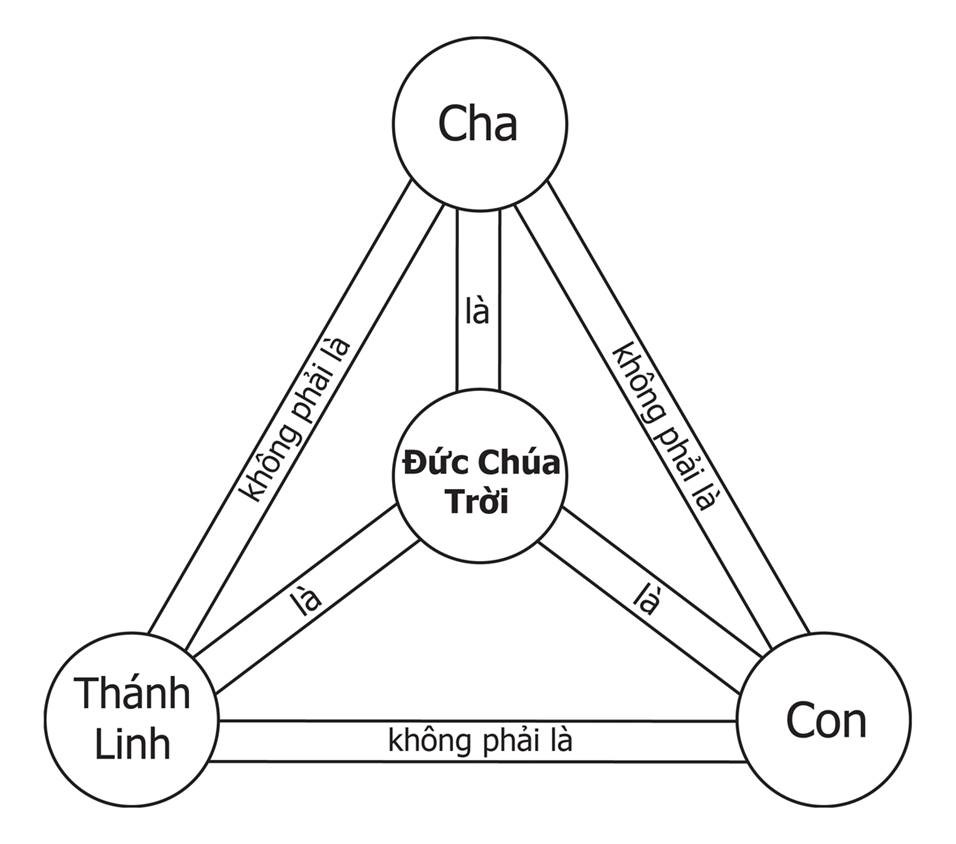


 QUYỀN NĂNG CAO CẢ CỦA ĐỨC CHÚA TRỜI Ở VIỆT NAM (Ê-phê 1:4-5)