
A Few Baptists Everyone Should Know About
Here are some great men of the past:
- John Dagg (1794-1884)
- Adoniram Judson (1788-1850)
- William Carey (1761-1834)
- Andrew Fuller (1754-1815)
- John Gill (1697-1771)
- Benjamin Keach (1640-1704)
- William Kiffin (c. 1616-1701)
(At GSiV see here)
Does Calvinism Kill Missions?
- ‘John Calvin: Calvin sent missionaries from Geneva into France and as far away as Brazil. Most of these young men sent to France died a martyr’s death, but the church of Geneva continued to send them.
- ‘John Eliot: A missionary sent to the American Indians in the 1600′s. He is believed to be the first missionary among this people group. As many have said, if William Carey is the father of the modern mission’s movement, then John Eliot is its grandfather.
- ‘David Brainerd: A missionary to the American Indians in the 1700′s. Many historians believe that he has sent more individuals into the mission field than any other person in the history of the church via his diary, An Account of the Life of the Late Reverend David Brainerd.
- ‘Theodorus Frelinghuysen: The great evangelist and preacher, who set the stage for the First Great Awakening in the middle colonies.
- ‘Jonathan Edwards: The great theologian, writer, and preacher of the First Great Awakening. He was also a missionary to the Indians.
- ‘George Whitfield: The great voice and preacher of the First Great Awakening. He journeyed across the Atlantic Ocean thirteen times and scholars believe he preached over 18,000 sermons….’ Continue reading.
(GSiV: Missions and Evangelism,
Do the ‘elect’ choose to believe?
‘…Reformed Christians believe that men believe and choose. It is the order of events that is in dispute. Every Christian has chosen Christ, believed in Christ, embraced Christ, and even more, continues to do so. The question is not “must a person believe,” but can a person believe while a slave to sin? Further, whose decision comes first: the decision of God to free the enslaved, dead sinner and give him the ability to believe, or the free-choice decision of the sinner that then makes him or her one of the elect?’
-James White, The Potter’s Freedom, p.184
(Các Đoạn 39-42, 48-49 GSiV: Xem chi tiết)
(Also ‘decisional regeneration,’ ‘decisionism’ / ‘sự tái sinh bằng quyết định’)
(Election: Xem Chi Tiết)
Spurgeon against the Hyper Calvinists
From the life of the Baptist pastor Charles Spurgeon (1834-1892), Iain Murray makes some key points that reformed people do well to keep in mind and heart:
- ‘1. “Genuine evangelical Christianity is never of an exclusive spirit….”
- ‘2. Spurgeon “wanted to see both divine sovereignty and human responsibility upheld, but when it came to gospel preaching he believed….”
- ‘3. “This controversy directs us to our need for profound humility before God….”
- ‘4. “The final conclusion has to be that when Calvinism ceases to be evangelistic….” ’
-Murray, Spurgeon v. Hyper-Calvinism. See whole post by Ray Ortlund, Jr.
(GSiV: What is Hyper Calvinism?)
(GSiV: Evangelism, Missions)
Đức Chúa Trời và Sự Cứu Rỗi–19
‘Điều thuyết Calvin cảnh báo là tất cả sự dạy dỗ tinh vi hạ thấp ân điển và quyền năng của Đức Chúa Trời. Phần lớn các Cơ đốc nhân sẽ đưa ra sự phục vụ giả dối đối với quyền năng của Đức Chúa Trời nhưng nhiều người sẽ bỏ nó đi bởi xác nhận rằng một người có điều đó với năng lực để quyết định, mong muốn vào trong vương quốc Đức Chúa Trời. (Chúng ta sẽ bàn thảo sau cách ý muốn, sự chọn lựa hay ý chí của con người liên quan đến sự cứu rỗi. Chỉ cần nói rằng sự thật là một người được chọn không trở thành một Cơ đốc nhân cách thụ động–đó là tín lý sai trật của thuyết Sandemanianism–một người có thể đơn giản muốn vào sự cứu rỗi cũng là điều không đúng với Kinh thánh.) Tội này, tín lý dạy rằng người đó có thể tự muốn mình vào vương quốc của Đức Chúa Trời, lan tràn khắp nơi đến nỗi nhiều Cơ đốc nhân bước vào sự cứu rỗi mà không ý thức điều họ đang tin và được dạy dỗ.’
SOME ENGLISH:
‘What Calvinism threatens is all teaching which subtly belittles God’s glory and sovereignty. Most all Christians will give lip service to God’s sovereignty but many will then take it away by asserting that a man has it within his power to decide, to will, himself into God’s kingdom….’
– Đoạn 25, GSiV: Xem chi tiết
Spurgeon: Man’s ‘free’ will
Scripture is our final authority but note how Charles Spurgeon helps clarify what the Word actually says about man’s so-called ‘free will.’
- ‘Beloved, do not any of you swerve from the free Grace of God, for the babblings about man’s free agency are neither more nor less than lies, right contrary to the Truth of Christ and the teachings of the Spirit. How certain, then, is the salvation of every elect soul! It does not depend on the will of man—he is “made willing” in the day of God’s power.’ -Spurgeon, 1856, “The Holy Spirit in the Covenant”
(Đoạn 42, GSiV: Ý chí tự do của con người, Xem chi tiết)
(Also see GSiV here)
Đức Chúa Trời và Sự Cứu Rỗi–16
‘Spurgeon không chỉ là một người theo phái Calvin, ông đã tin năm điểm tương này của thuyết Calvin mà chúng ta đang thảo luận. Và ông đã xem xét chúng đầy đủ theo sự dạy dỗ của Kinh thánh.
- “Tôi cho rằng đối tượng của mục vụ trong nhà này [Nhà hội thờ phượng], chừng nào bục giản này còn và chừng nào nhà thờ này còn tiếp tục bởi những người thờ phượng, thì sẽ nói đến thân vị của Chúa Cứu Thế Giê-xu. Tôi không hề hổ thẹn tự nhận mình là một người theo học thuyết Calvin; tôi không ngần ngại mang danh người Báp-tít; nhưng nếu hỏi tín điều của tôi là gì, thì tôi trả lời: “đó là Chúa Cứu Thế Giê-xu.” (Piper sermon, “Spurgeon,” citing Ross, p. 66, quoting Spurgeon)’
SOME ENGLISH:
‘Not only was Spurgeon a Calvinist, he believed these same five points of Calvinism that we’re discussing here. And he saw them as integral to the Bible’s teaching:
- “I would propose that the subject of the ministry in this house [Metropolitan Tabernacle], as long as this platform shall stand and as long as this house shall be frequented by worshippers, shall be the person of Jesus Christ. I am never ashamed to avow myself a Calvinist….”’
– Đoạn 18, GSiV: Xem chi tiết
Đức Chúa Trời và Sự Cứu Rỗi–15
‘Đây không đơn thuần là một hệ thống của con người. Đó là một cái nhìn theo Kinh thánh để thấy cánh tay của Đức Chúa Trời trong sự cứu rỗi như chúng tôi sẽ trình bày. Nhưng trước tiên là điều tốt để được nghe từ các tín hữu đáng kính là những người đã đi theo năm điểm của học thuyết Calvin. James I. Packer, một người Anh Giáo bảo thủ đã nói: “học thuyết Calvin … chỉ là phúc âm Kinh thánh” (Quest, p. 134). Spurgeon đã nói như thế này: “Thuyết Thanh Giáo, thuyết Tin Lành, thuyết Calvin [chỉ đơn giản là] những danh xưng khiêm tốn mà thế gian đặt cho đức tin vinh hiển và vĩ đại của chúng ta–Tín điều của sứ đồ Phao-lô, phúc âm của Chúa và Chúa Cứu Thế Giê-xu chúng ta” (Piper sermon, “Spurgeon,” quoting An All Round Ministry, p. 160).’
SOME ENGLISH:
’This is not merely a man-made system. It is a biblical way of seeing God’s hand in salvation as we shall show. But first it will be good to hear from other respected believers who have embraced the five points of Calvinism….’
– Đoạn 17, GSiV: Xem chi tiết
Đức Chúa Trời và Sự Cứu Rỗi–14
‘Thêm những nhận định khách quan, thuyết Calvin liên quan đến sự cứu rỗi được biết qua nhóm chữ cái đầu của từ, TULIP:
- T (Total Depravity) Tuyệt Đối băng hoại: Từng khía cạnh trong con người (VD: tâm trí, ý muốn, linh hồn, vv) bị bại hoại bởi ảnh hưởng của tội lỗi. Con người vô cùng xấu xa, hoàn toàn băng hoại, và chết trong tội lỗi mình, vì vậy con người cần sự sống từ Đức Chúa Trời.
- U (Unconditional Election) Được chọn vô điều kiện: Trong cõi đời đời Đức Chúa Trời chọn những người Ngài sẽ cứu, không dựa vào phẩm hạnh của họ hay bất kỳ công đức nào họ làm hay đức tin mà họ có nhưng dựa trên ý muốn tốt lành của Ngài.
- L (Limited Atonement) Sự chuộc tội có giới hạn: Chúa Cứu Thế chỉ chết chuộc tội cho những người đã được chọn.
- I (Irresistable Grace) Ân điển không thể cưỡng lại: Những người Đức Chúa Trời đã chọn sẽ tin thì được cứu.
- P (Perseverance of the Saints) Sự kiên trì của các thánh đồ: Các Cơ đốc nhân sẽ tiếp tục đức tin của mình. Họ sẽ không mất sự cứu rỗi.’
SOME ENGLISH:
‘More objectively stated, Calvinism as it relates to salvation is known by its acronym, TULIP:
- Total Depravity: every aspect of mankind’s being (e.g., mind, will, soul, etc.) is tainted by sin’s effects. Man is not as bad as he could be, but is nonetheless thoroughly sinful, and therefore, dead in his sin and needing life from God….’
– Đoạn 16, GSiV: Xem chi tiết
“Let go and let God?”
Often Christians say to each other when one is struggling, “Just let God, and let God [take over].” But is it helpful? This way of thinking, or theology, is called the “Deeper Life” or “Higher Life” or “Keswick” view of sanctification. But the real question is, Is it biblical? Here’s an article excerpt to explain:
‘At its best, this phrase [“Let go and let God”] highlights the value of surrender. God is God, and you are not, so lay down your résumé, your excuses, your fears.
‘All too often, though, the phrase is wielded as if the symbol of Christianity is not a cross but a couch. It’s subtly used to put the brakes on striving, on working, on effort.
‘Now, if “let go and let God” solely referenced the moment of justification, it would be fine. But it typically refers to the process of sanctification, which is anything but passive.
‘The Christian life is grueling. When Paul reflects on it, he doesn’t think of sunsets and naps but soldiers and athletes and farmers (2 Tim. 2:3–6). He thinks of running tracks and boxing rings (1 Cor. 9:24–27).
‘We are called to work out what God has already worked in us, laboring not for our salvation but from it (Phil. 2:12–13). This dynamic of restful vigilance (Matt. 11:28–30; 16:24) — what the Puritans called “holy sweat” — lies at the heart of Christian experience.
‘As J. I. Packer once put it, “The Christian’s motto should not be ‘Let go and let God’ but ‘Trust God and get going.'”’
-Matt Smethurst
(GSiV: Prayer, then scroll down to ‘Andy Naselli’)
Labor On, Spend and Be Spent
“Go, labor on while it is day,
The world’s dark night is hastening on.
Speed, speed thy work, cast sloth away—
It is not thus that souls are won.”
-Horatius Bonar (1808-1889), “Go Labor On, Spend and Be Spent,” Hymn
(Also see GSiV here)
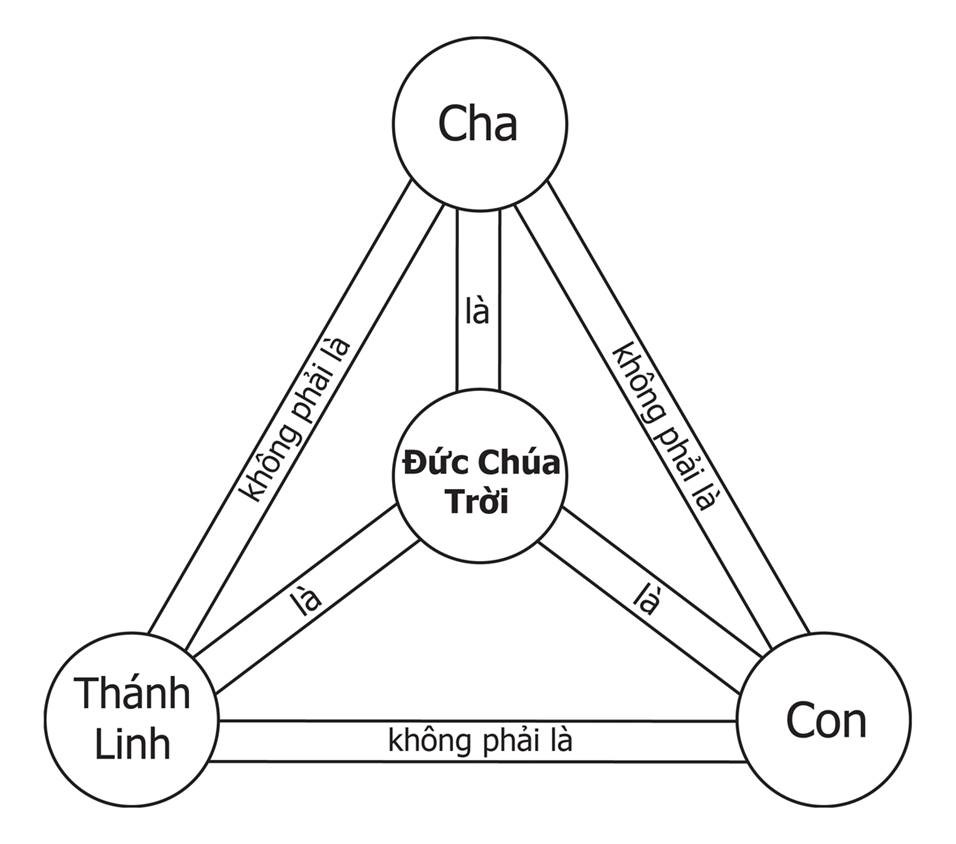
Ba Ngôi Đức Chúa Trời (BF&M: Trinity)—part 9
Baptist Faith and Message (2000)
Section 2: God
‘There is one and only one living and true God. He is an intelligent, spiritual, and personal Being, the Creator, Redeemer, Preserver, and Ruler of the universe. God is infinite in holiness and all other perfections. God is all powerful and all knowing; and His perfect knowledge extends to all things, past, present, and future, including the future decisions of His free creatures. To Him we owe the highest love, reverence, and obedience. The eternal triune God reveals Himself to us as Father, Son, and Holy Spirit, with distinct personal attributes, but without division of nature, essence, or being.’
Đức Tin và Thông Điệp của Người Báp-tít (2000)
Điều 2: Đức Chúa Trời
Chỉ có duy nhất một Đức Chúa Trời Đấng Tạo Hóa sống và chân thật. Ngài là một thực thể thông huệ, thiêng liêng và có cá tính, là Đấng Sáng Tạo, Đấng Cứu Chuộc, là Đấng Bảo Tồn, và là Đấng cai quản cả hoàn vũ. Đấng tạo hóa thánh khiết vô hạn, và Ngài có tất cả những sự hoàn hảo khác. Ngài là Đấng toàn năng, toàn tri và sự hiểu biết toàn vẹn của Ngài bao trùm cả mọi vật, trong quá khứ, trong hiện tại và trong tương lai. Ngài thật xứng đáng cho chúng ta dâng lên tình yêu, sự kính trọng và sự tuân phục cao nhất của chúng ta. Đức Chúa Trời là Chúa Ba Ngôi hằng hữu bày tỏ chính Ngài cho chúng ta qua Ngôi Đức Chúa Cha, Ngôi Đức Chúa Con và Ngôi Đức Thánh Linh, với những cá tính riêng biệt nhưng không phân chia về tính chất, bản thể hay thực thể.’
(GSiV: Trinitarian Illustrations & Outline)
(GSiV: Confessions/Các tín điều/Giáo lý Dort & Tuyên Xưng Philadelphia & Tools)





 QUYỀN NĂNG CAO CẢ CỦA ĐỨC CHÚA TRỜI Ở VIỆT NAM (Ê-phê 1:4-5)