
QUYỀN NĂNG CAO CẢ CỦA ĐỨC CHÚA TRỜI Ở VIỆT NAM (Ê-phê 1:4-5)

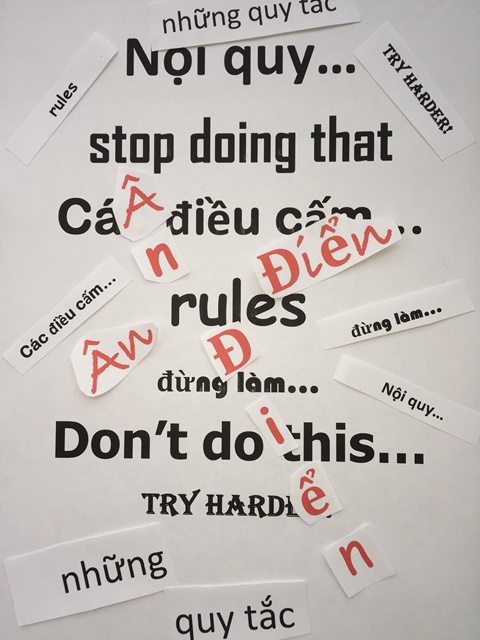
“Legalism” là gì?—part 1

What is legalism?

‘Legalism—chủ nghĩa luật pháp. Mối quan hệ hay hệ thống đạo đức với thước đo là sự tuân giữ luật pháp, thường là mang tính hình thức. Sự vâng phục thường được coi là công trạng đáng được khen ngợi.’

-Sổ tay Thuật Ngữ Thần Học Anh-Việt (Ấn bản thứ 2)

[Not to be confused with “Fa-Jia” in Chinese philosophy, traced to Han Fei (280–236 BC)]

Phương pháp ‘Môn Đồ Hóa Dựa Trên Sự Vâng Phục’ là chủ nghĩa luật pháp phải không?

Kinh Thánh nói gì về môn đồ hóa?

Xem thêm:

Nên Thánh Động Lực Bởi Phúc Âm

Does your job feel like salvation by works?—part 1

‘The Lord does not judge us by our daily work ledgers. No doubt—as these verses state—there are houses to build, cities to oversee, and work to do. But there is a vain way of working that only leads to fretting.’

– Hunter Powell

Read the whole article here

(GSiV: Success, Failure, and Grace)

(Also see Nên Thánh Động Lực Bởi Phúc Âm)

Books and articles of interest (in Vietnamese)

While I cannot recommend all of these resources with the same enthusiasm, they can be helpful.

Books:

  • Randy Alcorn, Nguyên Tắc Hánh Khiết (The Purity Principle).
  • Louis Berkhof, Lịch Sử Giáo Lý Cơ Đốc (The History of Christian Doctrines).
  • Earle E. Cairns, Cơ Đốc Giáo Trải Các Thế Kỷ (Christianity through the Centuries, 1996, ed 3rd).
  • Steve Corbett and Brian Fikkert, Khi Sự Giúp Đỡ Gây Tổn Thương (When Helping Hurts).
  • Millard J. Erickson, Thần Học Cơ Đốc Giáo (Christian Theology, 3rd ed., 2013).
  • David Helm, Giảng Giải Kinh: Cách Chúng ta Trình Bày Lời Chúa Ngày Nay (Expositional Preaching: How We Speak God’s Word Today).
  • Minh Nguyên, Xây Dựng Gia Đình Vững Mạnh [Building a strong family, no English version].
  • Daniel Owens, Bà Phạm Xuân Thiều, và Nguyễn Thị Hải Vân, Sổ tay Thuật Ngữ Thần Học Anh-Việt (Ấn bản thứ 2) [English-Vietnamese theological handbook of terms].
  • J. I. Packer, Biết Đức Chúa Trời (Knowing God).
  • John Piper, Hãy Để Mọi Dân Tộc Reo Vui: Uy Quyền Tối Thượng của Đức Chúa Trời Trong Công Tác Truyền Giáo (Let the Nations Be Glad).
  • Vaughan Roberts, Bức Tranh Lớn của Đức Chúa Trời: Truy nguyên chuyện Kinh Thánh (God’s Big Picture).
  • Ken Sande and Ted Kober, Phương Pháp Giải Quyết Xung Khắc [Method to solving conflict, adapted from The Peacemaker].
  • Warren Wiersbe, Gỉai Nghĩa Kinh Thánh [Miscellaneous commentaries].

Articles at GSIV

Resources for praying biblically

More resources

10 Things About the Life of John Calvin

Since there are so many misunderstandings about this great theologian, here are a few things to ponder.

·       ‘(1) Calvin was born on July 10, 1509, at Noyon in Northeastern France. Unlike Luther, Calvin

·       ‘(2) At the age of 13-14 he attended the University of Paris where he came under the influence of….

·       ‘(3) Some place his conversion as late as 1534 and others as early as 1527-28. Unlike Luther, his….

·       ‘(4) Calvin did not at first desire a break with Rome, but envisioned a purification of the church ….

·       ‘(5) Calvin was influenced by friends and colleagues to break completely with Rome, which he….

·       ‘(6) Calvin returned to Paris in 1536 to settle some old financial matters. He decided to go from….

·       ‘(7) Upon arriving in Geneva, he began to lecture on the Pauline epistles, wrote a constitution for….

·       ‘(8) Calvin often said he didn’t care what a wife looked like as long as she was of a Christian….

·       ‘(9) Once again under pressure from Farel, Calvin returned to Geneva in 1541 and ministered….

·       ‘(10) Calvin’s physical afflictions read like a medical journal. He suffered from painful stomach….’

-Sam Storms, read complete article here.

(Resources in Vietnamese and English at GSiV

Luther, Calvin, Farel, Reformation & Chỉ Duy Nhất 5 ‘Onlys,’ 5 ‘Solas’ &

Calvin on Election and Predestination)

White: Free will?

Scripture is always our ultimate authority, but God’s people can also give us valuable insight.

  • ‘Who cares if the will is “free” when the nature that provides it with the desires upon which it acts is corrupt and evil?’

-James White, The Potter’s Freedom, p. 284

(Các Đoạn 39-42, 48-49 GSiV: Xem chi tiết)

(Free will / ý chí tự do: Xem chi tiết) (Election / sự lựa chọn: Xem Chi Tiết)

(Also ‘decisional regeneration,’ ‘decisionism’ ‘decisionalism’ / ‘sự tái sinh bằng quyết định’)

‘Giáo Luật của Dordt (Dort)’ Là Gì?–part 4

Canons of Dordt (Dort)

The Canons of Dort (Rules or Guidelines of Dordt) come from an international council (synod / Hội Nghị) of Reformed people which took place in the city of Dordrecht (Dordtrecht), Netherlands in 1618-1619.

Giáo Điều Phần Thứ I

Sự Lựa Chọn Thiên Thượng và Sự Hư Mất

Điều 3: Để loài người có thể được đem tới và tin nhận Ngài, Đức Chúa Trời đã bày tỏ lòng nhân từ, sai các sứ đồ của Ngài tới, nhờ đó con người có thể ăn năn và đặt niềm tin nơi Chúa Giê-xu Christ đã bị đóng đinh “Nhưng họ chưa tin Ngài thì kêu cầu sao được? Chưa nghe nói về Ngài thì làm thế nào mà tin? Nếu chẳng ai rao giảng thì nghe làm sao? Lại nếu chẳng ai được sai đi thì rao giảng thế nào (Rô-ma 10:14-15)?

Điều 4: Cơn thạnh nộ của Đức Chúa Trời giáng trần những ai không chịu tin đến Phúc Âm này. Nhưng hễ ai đã tiếp nhận Phúc Âm này mà nắm giữ lấy cứu Chúa Giê-xu bằng một đức tin sống và chân thật thì Ngài sẽ giải cứu người ấy khỏi cơn thạnh nộ của Đức Chúa Trời và khỏi sự hư mất và ban cho người ấy được sự sống đời đời.

Full document in Vietnamese here.

See GSiV Resources page

(Also see here

Đức Chúa Trời và Sự Cứu Rỗi: Tín Lý Về Ân Điển Quyền Năng

at GSiV)

Thông công với Chúa: Cầu Nguyện—Part 15

Acts 12:5 “So Peter was kept in prison, but earnest prayer for him was made to God by the church.”

Acts 12:5:

5 Vậy, Phi -e-rơ bị cầm trong khám, còn Hội thánh cứ cầu nguyện Ðức Chúa Trời cho người luôn.

Xem chi tiết

Cầu Nguyện

the grace of God has appeared

Titus 2:11 “For the grace of God has appeared, bringing salvation for all people,”

Tít 2:11 Vả, ân điển Đức Chúa Trời hay cứu mọi người, đã được bày tỏ ra rồi.

Xem chi tiết: “Đức Chúa Trời và Sự Cứu Rỗi: Tín Lý Về Ân Điển Quyền Năng” (“God and Salvation: The Doctrines of Sovereign Grace”)

Thông công với Chúa: Cầu Nguyện—Part 14

Acts 12:12 “When he realized this, he went to the house of Mary, the mother of John whose other name was Mark, where many were gathered together and were praying.”

Acts 12:12:

12 Người suy nghĩ lại điều đó, rồi đến nhà Ma-ri, mẹ của Giăng, cũng gọi là Mác, là nơi có nhiều người đang nhóm lại cầu nguyện.

Xem chi tiết

Cầu Nguyện

a people for his own possession

Titus 2:13–14 “waiting for our blessed hope, the appearing of the glory of our great God and Savior Jesus Christ, who gave himself for us to redeem us from all lawlessness and to purify for himself a people for his own possession who are zealous for good works.”

Tít 2:13-14 đang chờ đợi sự trông cậy hạnh phước của chúng ta, và sự hiện ra của sự vinh hiển Đức Chúa Trời lớn và Cứu Chúa chúng ta, là Đức Chúa Jêsus Christ, là Đấng liều mình vì chúng ta, để chuộc chúng ta khỏi mọi tội và làm cho sạch, đặng lấy chúng ta làm một dân thuộc riêng về Ngài, là dân có lòng sốt sắng về các việc lành.

Xem chi tiết: “Đức Chúa Trời và Sự Cứu Rỗi: Tín Lý Về Ân Điển Quyền Năng” (“God and Salvation: The Doctrines of Sovereign Grace”)

Thông công với Chúa: Cầu Nguyện—Part 13

Acts 16:25 “About midnight Paul and Silas were praying and singing hymns to God, and the prisoners were listening to them,”

Acts 16:25:

25 Lối nữa đêm, Phao-lô và Si-la đương cầu nguyện, hát ngợi khen Ðức Chúa Trời; và những tù phạm đều nghe.

Xem chi tiết

Cầu Nguyện

were subject to lifelong slavery

Hebrews 2:15 “and deliver all those who through fear of death were subject to lifelong slavery.”

Hê-bơ-rơ 2:15 lại cho giải thoát mọi người vì sợ sự chết, bị cầm trong vòng tôi mọi trọn đời.

Xem chi tiết: “Đức Chúa Trời và Sự Cứu Rỗi: Tín Lý Về Ân Điển Quyền Năng” (“God and Salvation: The Doctrines of Sovereign Grace”)