
QUYỀN NĂNG CAO CẢ CỦA ĐỨC CHÚA TRỜI Ở VIỆT NAM (Ê-phê 1:4-5)

Reformation History: John Calvin là ai?–part 8

Who is John Calvin?

‘Từ khi còn trẻ tuổi John Calvin là một học sinh xuất sắc và rất yêu mến Chúa; năm 1523, thân phụ Calvin là một luật-sư, gởi Calvin đến Đại-Học Paris, khởi sự học tiếng Latin và thần học, nhưng sau đó ông thay đổi ý kiến và khuyên con trai đi học luật. Sau khi tốt nghiệp Cử nhân luật khoa, Calvin tiếp tục theo học tại Đại Học Orlean và Đại Học Bourges. Năm 1532 ông tốt nghiệp Tiến-Sĩ Luật tại Orlean, nhưng ông không hành nghề luật sư, Calvin dọn về Paris, không ai biết được Calvin bắt đầu theo Phong Trào cải cách (Reformation Movement) từ lúc nào, nhưng theo sách  Giải-Kinh Thi-Thiên (Commentary on Psalms) John Calvin viết lời tựa “ Đức Chúa Trời đã bắt phục tôi và lời Ngài đã dạy tôi, sau khi biết được chân lý, lòng tôi nóng cháy  mong ước được tấn tới trong niềm tin cải cách.’

-Mục Sư Nguyễn Xuân Bảo “Nhà-Thần-Học Sáng Lập Giáo Hội Trưởng-Lão & Cải-Cách” (Chưa in)


(GSiV: Luther, Calvin, Farel, Reformation)

Reformation History: William Farel–part 7

‘Farel hated the pope with a passion and despised all papal ceremonies. His mission in life, as he conceived it, was to destroy every remnant of popery in images, ceremonies, and rituals, which were the standard diet of those held in Rome’s chains.

‘His strength was in his preaching. That is, it was not so much in his careful preparation of sermons, for he mostly preached without preparation, and none of his sermons have come down to us. His strength was in his powerful delivery. Schaff [History of the Christian Church (Grand Rapids: Wm. B. Eerdmans Publishing Co., 1950] writes:

”He turned every stump and stone into a pulpit, every house, street, and market-place into a church; provoked the wrath of monks, priests, and bigoted women; was abused, called ‘heretic’ and ‘devil,’ insulted, spit upon, and more than once threatened with death…. Wherever he went he stirred up all the forces of the people, and made them take sides for or against the new gospel.” (page 242)

‘But Schaff also writes: “No one could hear his thunder without trembling, or listen to his most fervent prayers without being almost carried up to heaven”’ (page 446).

by Hanko Herman

Read more

 (GSiV: Luther, Calvin, Farel, Reformation)

Reformation History: Calvin và Farel–part 6

‘While Calvin was thus engaged, the Reformation advanced into the French cantons of Switzerland. Guillaume Farel (1489–1565), a red-headed, hot-tempered, strong-voiced, prophetic individual, established the Reformation in Geneva. Farel was born into a middle-class French family and educated in French universities. Soon after 1521 he accepted Luther’s idea of justification by faith. Protected by Bern, he helped spread Reformed ideas. In 1532 he began work in Geneva. In 1535 he won a dispute with those opposed to the Reformation, and the General Assembly of Citizens formally adopted the ideas of the Reformers in 1536. Farel realized that he needed someone with more organizing ability to help him establish the Reformation in Geneva. During his travels, Calvin stopped in Geneva one night in 1536. Farel went to him and urged him to help him. When Calvin demurred because he loved the life of a student and writer of theology, Farel told him that the curse of God would be on him if he did not stay. Stricken by fear, as Calvin later confessed, he decided to remain. He and Farel cooperated until they were exiled in 1538. Calvin became a teaching minister of Geneva in 1536.’


‘Đang khi Calvin dự phần như thế, Cuộc Cải Chánh đã tiến vào các tổng nói tiếng Pháp tại Thụy Sĩ. Guillaume [William] Farel (1489-1565), một người tóc hoe đỏ, nóng tính, giọng nói mạnh mẽ và mang tính tiên tri, đã vững lập Cuộc Cải Chánh tại Geneva. Farel sinh ra trong gia đình người Pháp thuộc tầng lớp trung lưu và được học tại các đại học ở Pháp. Chẳng bao lâu sau năm 1521, ông đã tiếp nhận ý kiến của Luther về sự xưng công bình bởi đức tin. Được Bern [thành phố ở Thụy Sĩ] bảo vệ, ông đã giúp truyền bá các ý tưởng Cải Cách. Năm 1532, ông bắt đầu hoạt động tại Geneva. Năm 1535, ông đã chiến thắng cuộc tranh luận với những người đang chống đối Cuộc Cải Chánh, và Đại Hội Đòng Công Dân đã chính thức đi theo các ý kiến của các nhà Cải Chánh vào năm 1536. Farel nhận thấy cần người có tài tổ chức để giúp ông vững lâp Cuộc Cải Chánh tại Geneva. Một lần trong những chuyến đi, Calvin dừng chân tại Geneva một đêm kia vào năm 1536. Farel đến gặp Calvin và nài nỉ Calvin giúp mình. Khi Calvin lưỡng lự vì yêu thích cuộc sống của sinh viên và viết lách về thần học, Farel bảo ông rằng lời rủa sả của Đức Chúa Trời sẽ giáng trên ông nếu ông không ở lại. Vì sợ, như sau này Calvin đã thú nhận, ông đã quyết định ở lại. Ông và Farel đã cộng tác với nhau cho đến khi họ bị trục xuất vào năm 1538. Calvin đã trở thành vị mục sư giáo sư của Geneva vào năm 1536.’


-Earle E. Cairns, Christianity through the Centuries, 1996, ed 3rd, p. 303–304 / Cơ Đốc Giáo Trải Các Thế Kỷ, 2010, tr. 343

GSiV: Luther, Calvin, Reformation


Reformation History: Teach Your Kids about it–part 5

Below is a good article for coaching your kids with church history:


‘1. I want them to know about God’s faithfulness to his church.

We are not the first to preach the gospel and certainly not the first to follow Christ….

‘2. I want them to know reformation must continue.

I want my kids to know the reality of semper reformanda—always reforming according to Scripture….

‘3. I want them to know defending the Bible is dangerous, but worth the risk.

The reformers and their theological heirs, the oft-lampooned Puritans, were well acquainted with the cost of discipleship….

‘4. I want them to know God does extraordinary things through ordinary people.

Luther was a monk, Calvin a pastor, Bunyan a pot-fixer, and Carey a shoemaker….

‘5. I want them to know the gospel is everything.’


Read more


(GSiV: Luther, Calvin, Farel, Reformation)

Reformation History: 5 Điều Duy Nhất–part 4

Năm Điều Duy Nhất Của Cuộc Cải Chánh

(Five Solas of the Reformation)

‘31 Tháng Mười năm 1517, Mác-tin Lu-tơ đã đóng ghim 95 luận điểm cải cách giáo hội của ông trên cánh cửa nhà thờ, lập cột mốc vô cùng quan trọng thúc đẩy sự bùng phát lên từ đó của dòng Tin lành, mà thực chất là đưa Hội thánh quay trở lại với cội nguồn đức tin và gìn giữ những chân lý đã được Đức Chúa Trời đóng ấn trong Kinh thánh….’

‘Duy chỉ Kinh thánh! Kinh thánh được chính Thánh Linh Chúa Trời cảm hứng soi dẫn những con người viết ra, duy nhất là chân lý với thẩm quyền tối cao để bày tỏ hoàn toàn….

‘Duy chỉ đức tin! Con người được nhận sự tha thứ của Chúa Trời chỉ duy nhất nhờ đức tin vào sự hy sinh chuộc tội của Cứu Chúa Jê-sus, chứ không thể nhờ các việc làm công đức….

‘Duy chỉ ân điển! Sự cứu rỗi đến chỉ nhờ duy nhất ân điển Đức Chúa Trời, là ơn thương xót, là món quà Chúa ban cho không….

‘Duy chỉ Đấng Christ! Đức Chúa Jê-sus là Con duy nhất của Đức Chúa Trời, là Đức Chúa Trời trọn vẹn và cũng là con người trọn vẹn, Ngài là Đấng trung bảo duy nhất giữa Đức Chúa Trời và loài người, không hề có sự cứu rỗi trong đấng nào khác….

‘Vinh hiển duy thuộc Đức Chúa Trời! Mọi vinh hiển duy nhất chỉ thuộc về Đức Chúa Trời….’

-Trần Quốc Hùng

Xem Thêm

(GSiV: Luther, Calvin, Farel, Reformation)


Reformation History: Martin Luther’s Conversion (Spurgeon)–part 3

“The just shall live by faith” (Romans 1:17)


Spurgeon spoke the following about Luther:

‘No sooner did he believe this than he began to live in the sense of being active. A [priest], named Tetzel, was going about all over Germany selling the forgiveness of sins for so much ready cash. No matter what your offense, as soon as your money touched the bottom of the [collection] box your sins were gone. Luther heard of this, grew indignant, and exclaimed, “I will make a hole in his drum,” which assuredly he did, and in several other drums. The nailing up of his theses on the church door was a sure way of silencing the indulgence music. Luther proclaimed pardon of sin by faith in Christ without money and without price, and the Pope’s indulgences were soon objects of derision. Luther lived by his faith, and therefore he who otherwise might have been quiet, denounced error as furiously as a lion roars upon his prey. The faith that was in him filled him with intense life, and he plunged into war with the enemy. After a while they summoned him to Augsburg, and to Augsburg he went, though his friends advised him not to go. They summoned him, as a heretic, to answer for himself at the Diet [Imperial Council] of Worms, and everybody [told him to] stay away, for he would be sure to be burned [at the stake]; but he felt it necessary that the testimony should be borne, and so in a wagon he went from village to village and town to town, preaching as he went, the poor people coming out to shake hands with the man who was standing up for Christ and the gospel at the risk of his life. You remember how he stood before that august assembly [at Worms], and though he knew as far as human power went that his defense would cost him his life, for he would, probably, be [burned at the stake] like John Huss, yet he [acted like a] man for the Lord his God. That day in the German Diet [Court] Luther did a work for which ten thousand times ten thousand mothers’ children have blessed his name, and blessed yet more the name of the Lord his God.’

-C. H. Spurgeon, “A Luther Sermon at the Tabernacle.”


//


“Người công bình sống bởi đức tin” (Rô-ma 1:17)


Spurgeon đã nói về Luther như sau:

‘Ông tin vào điều nầy không bao lâu thì ông bắt đầu để sống trong cảm giác của bản chất tích cực. Vị [tu sĩ], tên là Tetzel, đã đi khắp Nước Đức rao bán sự tha thứ tội lổi cho những ai có ít tiền mặt sẳn sàng. Không cần biết bạn phạm tội gì, một khi tiền của bạn đụng dưới đáy thùng [đựng tiền] thì tội của bạn biến mất. Luther nghe về điều nầy, trở nên căm phẫn, và la lên, “Tôi sẽ làm lũng một lổ trong cái trống của hắn,” tất nhiên ông đã làm như vậy, và trong những cái trống khác nữa. Sự đóng đinh những bản án lên trên những cửa của nhà thờ là một cách làm im lặng sự ham mê âm nhạc. Luther tuyên bố sự tha tội là bởi đức tin trong Chúa Giê-sus Christ không có cần tiền và không có giá, và sự nuông chiều của Đức Giáo Hoàng sẽ sớm thành những đồ vật cho sự chế nhạo. Ông Luther sống bởi đức tin, và vì thế ông không còn im lặng, lên án những sự sai lầm như một con sư tử giận dữ đang gầm trên con mồi của mình. Đức tin ở trong ông làm đầy sức sống mãnh liệt trên ông, và ông lao mình vào chiến tranh với kẻ thù. Sau một thời gian họ triệu ông đến Augsburg, và ông đi đến Augsburg, mặc dù bạn bè đề nghị với ông rằng ông không nên đi. Họ triệu ông đến, như người theo dị giáo, để tự trả lời cho chính mình tại Hội Nghị [Hội Đồng Đế Quốc] thuộc Người Không Đáng Kể (Worms), và mọi người đều [kêu ông phải] tránh xa, bằng không ông chắc chắn sẽ bị thiêu [tại cột trói để thiêu sống]; nhưng ông cảm thấy có sự cần thiết rằng lời chứng phải được chịu đựng, cho nên bằng chiếc xe ngựa ông đi từ làng nầy đến làng kia và từ tỉnh nầy đến tỉnh kia, vừa đi vừa rao giảng, những người nghèo khó ra và bắt tay với người đàn ông tranh đấu vì Đấng Christ và tin lành bằng sự nguy hiểm của mạng sống mình. Bạn nhớ ông đứng trước hội nghị tháng tám như thế nào [tại Người Không Đáng Kể (Worms)], và dù ông biết về phần sức của loài người thì sự biện hộ của ông phải trả bằng mạng sống, ông sẳn sàng chịu, có thể, bị [thiêu sống tại cột trói] như ông John Huss, hơn nữa ông [đóng vai trò như] một người cho Chúa là Đức Chúa Trời. Ngày đó trong Hội Đồng của người Đức [Toà] ông Luther làm một việc thay cho mười ngàn lần mười ngàn những con của những người mẹ đã chúc phước tên của ông, và được phước nhiều hơn thế nữa danh của Chúa là Đức Chúa Trời của ông.’ link


(GSiV links)

Reformation History: Martin Luther’s Conversion (Spurgeon)–part 2

“The just shall live by faith” (Romans 1:17)


Spurgeon spoke the following about Luther:


‘I would sum up and illustrate this teaching by mentioning certain incidents of Luther’s life. Upon the great Reformer gospel light broke by slow degrees. It was in the monastery that, in turning over the old Bible that was chained to a pillar, he came upon this passage – “The just shall live by his faith.” This heavenly sentence stuck to him: but he hardly understood all its bearings. He could not, however, find peace in his religious profession and monastic habit. Knowing no better, he persevered in penances so many, and mortifications so arduous, that sometimes he was found fainting through exhaustion. He brought himself to death’s door… and he went on with his penances, seeking rest, but finding none…[later] the Lord wrought him a full deliverance from superstition, and he saw that not by priests, nor priestcraft, nor penances, nor by anything that he could do, was he to live, but that he must live by his faith [in Christ]. Our text of this [morning] had set the [Catholic] monk at liberty, and set his soul on fire.’

-C. H. Spurgeon, “A Luther Sermon at the Tabernacle.”


Tiếng Việt


“Người công bình sống bởi đức tin” (Rô-ma 1:17)

Spurgeon đã nói về Luther như sau,

‘Tôi sẽ tóm tắt và làm sáng tỏ về sự giảng dạy nầy một chút ít về những dử kiện gắn liền với đời sống của Luther. Dựa trên nhà cải cách vĩ đại ánh sáng phúc âm diển tiến trong một mức độ chậm. Ở trong tu viện đó, trong lúc lật qua bản Kinh Thánh củ kỷ đã bị xích lại vào cột trụ, thì ông đến với phân đoạn nầy – “Người công bình sống bởi đức tin.” Câu nói tuyệt trần nầy đã gắn liền với ông; nhưng ông khó có thể hiểu được tất cả ý nghĩa của nó. Ông không thể, dù cách nào, tìm sự yên tĩnh trong nghề nghiệp tôn giáo của ông và cái thói quen ở trong tu viện. Không biết cách nào tốt hơn, ông kiên trì trong sự hành xác quá đổi, và thối hoại cách gian khổ, đôi khi ông phải bị kiệt sức, ngất xỉu. Ông đã đem ông đến cửa của sự chết. Ông phải làm một chuyến hành trình đến La-mã, là vì tại La- mã có một Hội Thánh còn khỏe mạnh mỗi ngày, và bạn chắc chắn được thắng lợi trong sự xưng nhận tội lổi và tất cả kiểu cách của ơn trời trong những nơi linh thiêng nầy. Ông nằm mơ thấy mình đi vào [La-mã] là xứ thánh; nhưng ông thấy nó như là sào huyệt của bọn đạo đức giả và hang ổ trộm cướp. Trong cơn khủng khiếp, ông nghe có người nói nếu như có điạ ngục thì La-mã được xây trên đỉnh nó, bởi vì đó là sự tiến gần với nó nhứt mà có thể tìm được trên thế gian nầy, nhưng ông vẩn đặc niềm tin vào Đức Giáo Hoàng và tiếp tục với sự hành xác của ông, tìm kiếm sự an nghỉ, nhưng tìm không thấy…..[sau đó] Chúa giải thoát ông khỏi sự mê tính, và ông thấy rằng không phải bởi tu sĩ, hoặc việc làm của tu sĩ, hoặc hành xác, hoặc bởi những vì ông làm, để sống, nhưng rằng phải sống bởi đức tin [trong Đấng Christ]. Phân đoạn [sáng hôm nay] đã đặc các tu sĩ [Công Giáo] được tự do, và đặc tâm hồn họ nẩy lửa.’ link


(GSiV links)

Does Calling on Lord’s Name Equal Salvation?

How are people saved? What role does repentance play? “Easy Believe-ism” is a problem around the world. Here’s a helpful article:


‘One of the verses that’s routinely overused—and under-exegeted—in gospel ministry is Romans 10:13, “For whoever will call on the name of the Lord will be saved.”


‘That verse has been a go-to text for evangelists like Billy Graham. But excerpted out of its context, it’s a recipe for shallow faith and false assurance. And the rampant, easy abuse of Romans 10:13 and similar verses is the reason for the widespread easy-believism and false assurance that plagues the church today.


‘To understand Paul’s true intent in Romans 10:13, we need to consider the surrounding verses…. Paul’s point is clear—salvation is not a birth right, nor is it a momentary decision. True faith is active and ongoing.’

-Jeremiah Johnson, “Is Calling on the Lord’s Name All It Takes to Be Saved?”


Read the whole article here

audio

(GSiV links)

Free Will: Geisler and White

  • John 8:31–34 “So Jesus said to the Jews who had believed him, “If you abide in my word, you are truly my disciples, and you will know the truth, and the truth will set you free.” They answered him, “We are offspring of Abraham and have never been enslaved to anyone. How is it that you say, ‘You will become free’?” Jesus answered them, “Truly, truly, I say to you, everyone who practices sin is a slave to sin.” (ESV)
  • ‘Chúa Giê-xu bảo những người Do-thái đã tin Ngài rằng, “Nếu các ngươi trung thành với lời dạy của ta thì các ngươi sẽ là môn đệ thật của ta. Các ngươi sẽ biết sự thật, và sự thật sẽ giải thoát các ngươi.” Họ đáp, “Chúng tôi là con cháu Áp-ra-ham, chưa hề làm tôi mọi ai. Tại sao thầy lại nói chúng tôi sẽ được giải thoát?” Chúa Giê-xu đáp, “Ta bảo thật, ai phạm tội là tôi mọi của tội lỗi.’ (BPT 2010)


‘The one who commits sin is the slave of sin. Slavery is servitude, not freedom. Christ’s words tell us that sin is a taskmaster, we the servants. We do not rule over it. It rules those who are under its power. Slavery is antithetical to “free will.” Man in sin is not free to do what is good.


‘It is utterly amazing, then, to read the words of Dr. Geisler who writes, [page 65] “We are born with a bent to sin, but we still have a choice whether we will be its slave.” How can this be when the Lord teaches that sin brings slavery? What kind of “choice” is left to the slave concerning his servitude?’


James White, The Potter’s Freedom, p.87


(Đoạn 42, GSiV: Ý chí tự do của con người, Xem chi tiết)

(Also see GSiV here)

Ba Ngôi Đức Chúa Trời (Trinity)—part 8

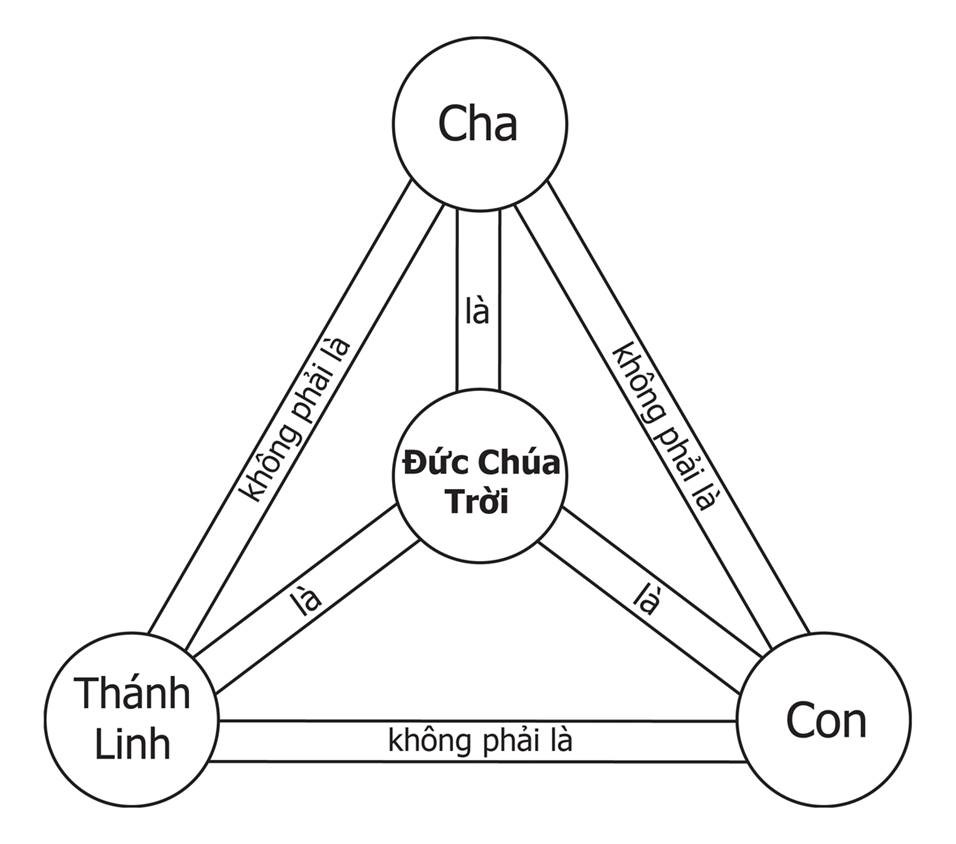
‘Từ ngữ “Ba ngôi” không thấy có trong Kinh Thánh. Đầu tiên từ này được Tertullian dùng vào cuối thế kỷ thứ 2, nhưng không có vị trí chính thức trong ngành thần học của Hội Thánh mãi đến thế kỷ thứ 4 và thứ 5. Có ba điều khẳng định là trung tâm của giáo lý lịch sử về Ba ngôi: 1. chỉ có một Đức Chúa Trời mà thôi; 2. Đức Chúa Cha, Đức Chúa Con, và Đức Thánh Linh đều hoàn toàn là Đức Chúa Trời đời đời; 3. Đức Chúa Cha, Đức Chúa Con, và Đức Thánh Linh đều có một thân vị riêng biệt. Không có nơi nào Kinh Thánh dạy rõ ràng về sự kết hợp của những điều khẳng định này. Tuy nhiên, có thể tuyên bố rằng giáo lý Ba Ngôi là một sự giải nghĩa thích hợp sâu sắc của bằng chứng Kinh Thánh về Đức Chúa Trời qua ánh sáng của chức vụ, sự chết và sự sống lại –sự tôn cao của Chúa Giê-xu—“sự kiện Chúa Cứu Thế”.’

-M. Turner & G. McFarlane

-New Bible Dictionary, I. H. Marshall, J. I. Packer, et.al. (Intervarsity) / Thánh Kinh Tân Từ Điển (UUC: 2009, tr. 113)

 (GSiV: Trinitarian Illustrations & Outline)

Man’s ‘Free’ Will: Always Wanting the Final Say

  • Jesus answered and said to them, “Do not grumble among yourselves. No one can come to Me unless the Father who sent Me draws him; and I will raise him up on nthe last day.” (Jn 6:43-44)
  • Nhưng Chúa Giê-xu đáp, “Các ngươi đừng xầm xì với nhau làm gì. Cha là Đấng đã sai ta đến. Không ai có thể đến với ta nếu Cha không dẫn họ đến; còn ta sẽ khiến người ấy sống lại trong ngày cuối cùng. (Gi. 6:43-44; BPT)


‘While modern evangelicals normally seek reasons for rejection of Christ in psychology, upbringing, background, or in the failure of the “presentation,” Jesus goes beyond the creaturely and touches upon the eternal reality. Again we find man’s inabilities put in the forefront in contrast with God’s ability. Why do these stand before the incarnate Lord in disbelief? Because they are not able, in and of themselves, to come to the very Bread of Life. “No one can come to Me” Christ says.

‘These are not words to be glossed over. Non-Reformed Protestants simply cannot explain Jesus’ meaning. The religions of men, Roman Catholicisim, and Arminianism, all share one thing in common: the deep desire to maintain the ability of man to control the work of God in salvation and always have the “final say.” The blunt assertion of Christ refutes this error [“No one can come to Me unless the Father who sent Me draws him”]. The fact is, outside of the divine action of drawing the elect to Christ none would come to Him. It is beyond the capacity of the fallen man.’

James White, The Potter’s Freedom, p.85


(Đoạn 42, GSiV: Ý chí tự do của con người, Xem chi tiết)

Ba Ngôi Đức Chúa Trời (Trinity: Delight)—part 7

Delight Yourself in the Trinity


‘But this is how we are built, so the same thing works for salvation. I naturally don’t desire God. I desire myself. I desire other things. But what the Spirit so kindly does is the Spirit opens my eyes to see the glory and beauty of God, and so wins my heart, such that — and here is what I want in all my preaching, and I make this very clear when I speak, for example, to students and in my church — I want people to see that the living God is more beautiful and more desirable than their sin. And that is the Spirit’s work through the Word. The Spirit opens our eyes that we might see Christ.’


Read or listen in English to the whole thing here


(GSiV: Trinitarian Illustrations & Outline)