
Sự Nên Thánh và Phúc Âm—part 2
Sự nên thánh là gì?
Chi tiết:
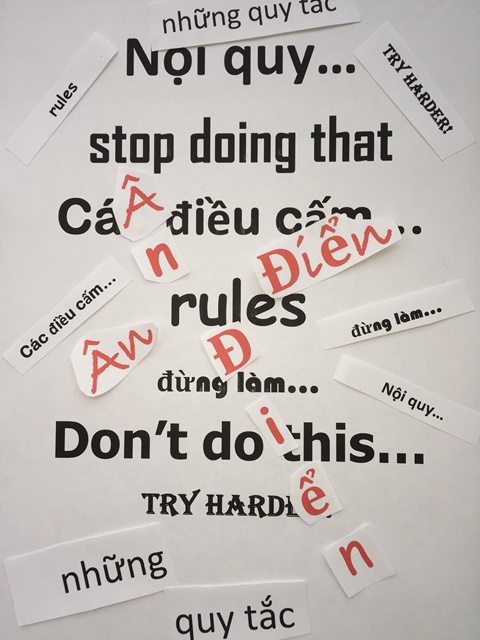
- Còn Hơn Là Một Cuốn Sách Luật Lệ
- Môn Đồ Hóa Được Dựa Trên Việc Thực Hiện
- Phúc Âm Là Dành Cho Các Cơ Đốc Nhân
- Không Có “Chủ Nghĩa Tin Dễ Dàng”
- Chúng Ta Chết Vì Tội Lỗi
- Xét Đến Chính Bạn Chết Cho Tội Lỗi
- Sự Nên Thánh Tiến Bộ
-Jerry Bridges, “Gospel Driven Sanctification”
Xem thêm: Nên Thánh Động Lực Bởi Phúc Âm
GSiV Resources page
(Also see these links at GSiV)
Success, Failure, and Grace—Part 2
“How we define failure, and the failures we most fear, reveal what we are building our identity on. They show that we are looking to something other than God’s love and acceptance in Christ to give legitimacy and purpose to our lives.”
-J. R. Vassar
Read whole article
(Also see Nên Thánh Động Lực Bởi Phúc Âm)
Sự Nên Thánh và Phúc Âm—part 1
‘Vì vậy, tôi đã học được rằng Cơ Đốc Nhân cần phải nghe phúc âm suốt cả cuộc đời, vì phúc âm đó tiếp tục nhắc nhở chúng ta rằng sự chấp nhận của chúng ta ngày này sang ngày khác được Đức Chúa Cha chấp nhận không phải dựa vào những gì chúng ta làm cho Đức Chúa Trời, nhưng dựa vào những gì Đấng Christ đã làm cho chúng ta trong đời sống vô tội và và sự chết mang tội lỗi của Ngài. Tôi bắt đầu thấy rằng ngày nay chúng ta đứng trước mặt Đức Chúa Trời là công bình như chúng ta sẽ từng có, ngay cả ở trên thiên đàng, bởi vì ngài đã mặc cho chúng ta sự công bình của Con Ngài. Vì vậy, tôi không cần phải thực hiện để được Đức Chúa Trời chấp nhận. Bây giờ, tôi tự do để vâng phục và phục vụ Ngài bởi vì tôi đã được chấp nhận trong Đấng Christ (xin xem trong Rô-ma 8:1). Động lực lèo lái của tôi bây giờ không phải là ý thức tội lỗi nhưng lòng biết ơn.’
-Jerry Bridges, “Gospel Driven Sanctification”
Xem thêm: Nên Thánh Động Lực Bởi Phúc Âm
Return to GSiV Resources page
(Also see these links at GSiV)
Success, Failure, and Grace—Part 1
“So when we fail, we need not be shaken at the core. The gospel says more about us than our failures do. The verdict God speaks over us trumps every other verdict spoken over us by our voices or the voices of others. God uses our failures to wean us off self-righteousness and point us to Jesus, in whom we find a righteousness that is sufficient for our confidence, value, and unshakable joy. In Christ, the power of God’s saving and justifying love can wash away the shame and self-loathing of our sin and failure.”
-J. R. Vassar
Read whole article
(Also see Nên Thánh Động Lực Bởi Phúc Âm)
Gospel-Driven Sanctification (Full article)–Part 4
‘Bằng lối suy nghĩ tương tự, lời công bố rằng sự chấp nhận và sự chúc phước của Đức Chúa Trời được dựa hoàn toàn vào công tác của Đấng Christ có thể được thực hiện để có nghĩa rằng nó thực sự không thành vấn đề cách tôi đang sống ngay bây giờ. Nếu Chúa Giê-su đã “thực hiện” ở vị trí của tôi rồi, thì tại sao phải trải qua các nỗ lực và đau đớn để xử lý tội lỗi trong cuộc sống của tôi? Tại sao phải bận tâm với các kỹ luật thuộc linh và tại sao sử dụng năng lượng thể chất và cảm xúc để phục vụ Đức Chúa Trời trong cuộc sống trên đất này nếu tất cả mọi sự đều phụ thuộc vào Đấng Christ? Sứ Đồ Phao-lô đã dự đoán như “chủ nghĩa tin dễ dàng” trong Rô-ma 6: 1 khi ông viết, “Vậy chúng ta sẽ nói làm sao? Chúng ta phải cứ ở trong tội lỗi, hầu cho ân điển được dư dật chăng?”’
-Jerry Bridges
Read full article here: Nên Thánh Động Lực Bởi Phúc Âm
Return to GSiV Resources page
(Also see these links at GSiV)
Gospel-Driven Sanctification, J. Bridges–Part 3
‘Tuy nhiên, ngay cả khi chúng ta hiểu rằng Đức Chúa Trời chấp nhận chúng ta được dựa trên công việc của Đấng Christ, chúng ta vẫn có khuynh hướng tự nhiên trôi dạt trở lại quan niệm thực hiện. Cho nên, chúng ta phải liên tục trở lại với phúc âm. Để dùng sự bày tỏ của cố Jack Miller, chúng ta phải “giảng phúc âm cho chính mình mỗi ngày.” Đối với tôi có nghĩa là tôi tiếp tục trở lại với Kinh Thánh như Ê-sai 53: 6, Ga-la-ti 2:20, Rô-ma 8:1. Có nghĩa là tôi thường xuyên lặp lại những lời từ một bài thánh ca cũ, “Hy vọng của tôi được xây dựng không có gì hơn huyết và sự công bình của Chúa Giê-su Christ.”’
-Jerry Bridges
Perma link (here). Full article coming soon.
Xuất bản gốc bởi tạp chí Modern Reformation Magazine (Tháng năm- Tháng sáu, 2007, Volume 12.3)
This article was originally published in the May/June 2007 issue of Modern Reformation magazine and is re-published here by permission of the editors. For more articles by this author, go to www.modernreformation.org.
Return to GSiV Resources page
(Also see these links at GSiV)
Gospel-Driven Sanctification, J. Bridges–Part 2
Phúc Âm Là Dành Cho Các Cơ Đốc Nhân
‘Dần dần theo thời gian, và từ sự ý thức cần thiết sâu xa, tôi đã nhận ra rằng phúc âm cũng dành cho những nười tin Chúa. Cuối cùng, thì tôi đã nhận ra được điều này, mỗi buổi sáng tôi đã cầu nguyện một câu Kinh Thánh như Ê-sai 53: 6, “Chúng ta thảy đều như chiên đi lạc, ai theo đường nấy; Đức Giê-hô-va đã làm cho tội lỗi của hết thảy chúng ta đều chất trên người”, và sau đó nói, Lạy Chúa, con đã đi lạc lối. Con đã đi theo con đường riêng của mình, nhưng Ngài đã đặt tất cả tội lỗi của con trên Đấng Christ và bởi cớ ấy con đến gần Ngài và cảm thấy được Ngài chấp nhận.”’
-Jerry Bridges
Perma link (here). Full article coming soon.
Xuất bản gốc bởi tạp chí Modern Reformation Magazine (Tháng năm- Tháng sáu, 2007, Volume 12.3)
This article was originally published in the May/June 2007 issue of Modern Reformation magazine and is re-published here by permission of the editors. For more articles by this author, go to www.modernreformation.org.
Return to GSiV Resources page
(Also see these links at GSiV)
Gospel-Driven Sanctification, J. Bridges–Part 1
Môn Đồ Hóa Được Dựa Trên Việc Thực Hiện
‘Khi tôi nhận thấy được điều đó, phần lớn cộng đồng Cơ Đốc Nhân là hoạt động dựa trên nền văn hóa ngày nay. Và chúng ta càng kết ước theo Chúa Giê-su cách sâu sắc hơn, thì quan niệm thực hiện của chúng ta cũng ăn sâu hơn. Chúng ta nghĩ mình tìm kiếm sự ban phước của Đức Chúa Trời hoặc đánh mất ơn phước đó bởi việc chúng ta sống đời sống Cơ Đốc Nhân tốt ra sao.’
-Jerry Bridges
Perma link (here). Full article coming soon.
Xuất bản gốc bởi tạp chí Modern Reformation Magazine (Tháng năm- Tháng sáu, 2007, Volume 12.3)
This article was originally published in the May/June 2007 issue of Modern Reformation magazine and is re-published here by permission of the editors. For more articles by this author, go to www.modernreformation.org.
Return to GSiV Resources page
(Also see these links at GSiV)
Man’s Freedom Touched by his Sinfulness
‘…man, the great image-bearer of God, is a fallen creature, a slave to sin, spiritually dead, incapable of doing what is pleasing to God. Just as the great freedom of the Potter offends rebellious pots, so too does the Bible’s teaching on the inabilities of man due to sin. The fallen sons and daughters of Adam are most adept at finding ways to promote creaturely freedom at the cost of God’s freedom, while at the same time promoting the servitude of God to the whims and will of man. It would be humorous if it were not so serious: the pots gathering together and assuring each other that the Potter either doesn’t exist, or, at worst, will sit idly by while they take control and “run the show” themselves. Yet this is the impact of sin upon the thinking of man. Man suppresses the truth of his createdness and invariably attempts to find a means to “control” God.’
James White, The Potter’s Freedom, p.76
(Đoạn 42, GSiV: Ý chí tự do của con người, Xem chi tiết)
Spurgeon: Man’s ‘free’ will
Scripture is our final authority but note how Charles Spurgeon helps clarify what the Word actually says about man’s so-called ‘free will.’
- ‘Beloved, do not any of you swerve from the free Grace of God, for the babblings about man’s free agency are neither more nor less than lies, right contrary to the Truth of Christ and the teachings of the Spirit. How certain, then, is the salvation of every elect soul! It does not depend on the will of man—he is “made willing” in the day of God’s power.’ -Spurgeon, 1856, “The Holy Spirit in the Covenant”
(Đoạn 42, GSiV: Ý chí tự do của con người, Xem chi tiết)
(Also see GSiV here)
Đức Chúa Trời và Sự Cứu Rỗi–17
‘Thách thức ân điển quyền năng
‘Đối với những người không hoàn toàn tin theo thuyết Calvin, chúng ta khích lệ họ tiếp nhận thách thức về tín lý ân điển quyền năng. Chúng ta mời họ cẩn thận đọc Rô-ma 9-11, hỏi liệu Đức Chúa Trời có đủ lớn để có quyền trên sự cứu rỗi của những người được chọn, và xem đoạn Kinh thánh này có dạy về điều đó hay không. Chúng ta hy vọng người đọc sẽ đặc biệt nghe được điều nói về quyền năng của Đức Chúa Trời khi liên hệ đến sự cứu rỗi không chỉ có điều nói về Y-sơ-ra-ên. Đặc trưng là những người không theo thuyết Calvin giải thích xa với ý nghĩa của sự chọn lựa trong Rô-ma 9-11 bằng cách nói rằng những điều như “cơ sở thiên thượng cho hành động này đơn giản chỉ là mục đích chọn lựa của Đức Chúa Trời trong Y-sơ-ra-ên” (Believer’s Study Bible, note on 9:13, p. 1612). Nhưng lý luận như thế làm lệch hướng sự chú ý vào quyền năng tể trị của Đức Chúa Trời sẽ không chính xác vì các chương 9-11 nói về những điều quan trọng và cụ thể hơn Y-sơ-ra-ên đó là sự cứu rỗi. (10:9-10), và đó là lý do Phao-lô nói đến điều đó. Những người Do-thái trong các thính giả của Phao-lô có thể đã nhìn thấy sự rộng lớn của Đức Chúa Trời, Chúa quyền năng, mà Ngài vẫn giữ công bình bất kể kết luận của ông về dân ngoại trong sự cứu rỗi. Ý của Phao-lô chỉ có nghĩa nếu vị sứ đồ nói về sự cứu rỗi thay vì chỉ nói về Y-sơ-ra-ên.’
SOME ENGLISH:
‘The Sovereign-grace challenge
For those not fully persuaded to Calvinism we encourage them to take the doctrines-of-sovereign-grace challenge. We would have them carefully read Rom 9-11 asking if God is big enough to be sovereign over the elect’s salvation, and if this text teaches it or not….’
– Đoạn 20, GSiV: Xem chi tiết
Thông công với Chúa: Cầu Nguyện—Part 3
Hebrews 4:16 “Let us then with confidence draw near to the throne of grace, that we may receive mercy and find grace to help in time of need.”
Hebrews 4:16 Vậy, chúng ta hãy vững lòng đến gần ngôi ơn phước, hầu cho được thương xót và tìm được ơn để giúp chúng ta trong thì giờ có cần dùng.




 QUYỀN NĂNG CAO CẢ CỦA ĐỨC CHÚA TRỜI Ở VIỆT NAM (Ê-phê 1:4-5)