

“Let go and let God?”
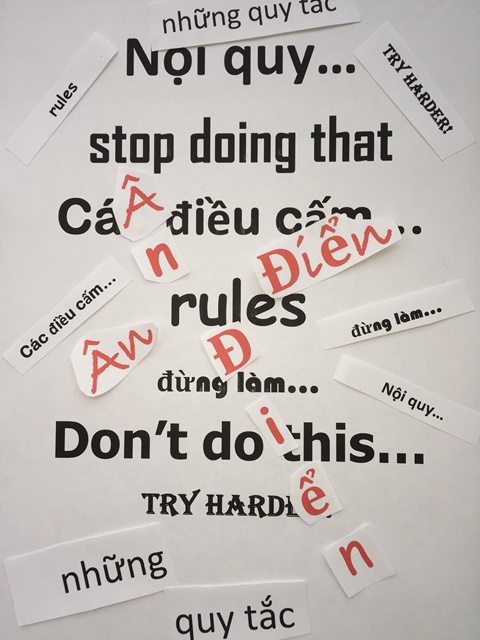
Often Christians say to each other when one is struggling, “Just let God, and let God [take over].” But is it helpful? This way of thinking, or theology, is called the “Deeper Life” or “Higher Life” or “Keswick” view of sanctification. But the real question is, Is it biblical? Here’s an article excerpt to explain:
‘At its best, this phrase [“Let go and let God”] highlights the value of surrender. God is God, and you are not, so lay down your résumé, your excuses, your fears.
‘All too often, though, the phrase is wielded as if the symbol of Christianity is not a cross but a couch. It’s subtly used to put the brakes on striving, on working, on effort.
‘Now, if “let go and let God” solely referenced the moment of justification, it would be fine. But it typically refers to the process of sanctification, which is anything but passive.
‘The Christian life is grueling. When Paul reflects on it, he doesn’t think of sunsets and naps but soldiers and athletes and farmers (2 Tim. 2:3–6). He thinks of running tracks and boxing rings (1 Cor. 9:24–27).
‘We are called to work out what God has already worked in us, laboring not for our salvation but from it (Phil. 2:12–13). This dynamic of restful vigilance (Matt. 11:28–30; 16:24) — what the Puritans called “holy sweat” — lies at the heart of Christian experience.
‘As J. I. Packer once put it, “The Christian’s motto should not be ‘Let go and let God’ but ‘Trust God and get going.'”’
-Matt Smethurst
(GSiV: Prayer, then scroll down to ‘Andy Naselli’)
Sự Hòa Thuận và Sự Xung Khắc?
Phương Pháp Giải Quyết Xung Khắc
Mở đầu: Khi sự xung khắc thật sự xảy ra thì phải có một giải pháp thật sự đúng dắn
- Trượt Dài vào Sai Lầm
- Trung Gian Hòa Giải
- Giúp Hai Bên Hòa Giải với Nhau
- Những Chi Tiết Cơ Bản của Việc Tư Vấn Hòa Giải
- Noi theo Gương Khôn Ngoan của Vua Sa-lô-môn
- Chuẩn Bị cho Hai Bên Sẵn Sàng Hòa Thuận với Nhau
-Ken Sande và Ted Kober
From Peacemaker Ministries
God’s Part and Man’s Part in Salvation
Here’s an outline to a helpful article that clearly explains the doctrines of sovereign grace:
‘God and man must both do something before a man can be saved….
ONE
1). ‘A man must repent and believe in order to be saved. No one was ever forgiven and made a child of God who did not willingly turn from sin to Christ….
TWO
2). ‘Every one who repents and believes the gospel will be saved….
THREE
3). ‘Repentance and faith are not vicarious but are the free acts of men. Men, with their own mind, heart, and will must renounce sin and receive Christ. God doesn’t repent and believe for us–we repent and believe….
‘… We have neither proven freewill nor disproved election, since it is impossible to do either….
FOUR
4). ‘The same Bible that states man must repent and believe in order to be saved, also emphatically states that man, because of his sinful nature, is totally unable to repent and believe….
‘To believe and preach points One, Two, and Three, without also preaching number Four is to grossly misrepresent the gospel of God’s grace. It is to give a totally false picture of the sinner and his true need. It shows only half of the man’s sin….
‘Please note a few texts of Scripture that dogmatically state some things that a lost man cannot do:
- ‘Man cannot see-until he first be born again. (John 3:3)
- ‘Man cannot understand-until he first be given a new nature. (I Cor. 2:14)
- ‘Man cannot come-until he first be effectually called by the Holy Spirit. (John 6:44-45)
‘We do not have space to go into all the “cannots,” but these three are sufficient to show that a sinner absolutely cannot…come to Christ until God first does something in that sinner’s nature. That “something” is what the Bible calls regeneration, or the new birth, and it is the exclusive work of God the Holy Spirit. Man has no part whatever in regeneration.
FIVE
5). ‘The new birth, or regeneration, is God giving us the spiritual life that enables us to do what we must do (repent and believe), but CANNOT DO because of our bondage to sin…. We indeed need Christ to die and pay the penalty of our sin, but we just as desperately need the Holy Spirit to give us a new nature in regeneration….
‘God is a triune God…. No man can declare the “glorious gospel of grace” and leave out the Father’s sovereign electing love and the Holy Spirit’s regenerating power as essential parts of God’s work in saving sinners…. How dreadful, and ridiculous, to give Christ the glory for His work on the cross, and then give sinners the credit for the Father’s work in eternity (election) and the Spirit’s work in our hearts (regeneration)….
‘The root error of the Arminian’s gospel of freewill is its failure to see that man’s part, repentance and faith, are the fruits and effects of God’s work and not the essential ingredient’s supplied by the sinner as “man’s part of the deal…”.
SIX
6). ‘The Scriptures clearly show that faith and repentance are the evidences and not the cause of regeneration…. Just so when a spiritually dead man begins to perform spiritual acts such as repentance and faith-these spiritual “fruits” show that the miracle of the new birth has taken place….
‘… Acts 16:14 is a clear proof of the above…. Arminianism insists that man’s free will must furnish the willingness or power, and the Bible says that the Holy Spirit of God furnishes that power or ability in the new birth….
‘The necessity of the Holy Spirit’s work being thus theologically denied, it will not be long before it is ignored in actual practice. This is the plight of modern day evangelism….’
-John G. Reisinger
(Đoạn 42, GSiV: Ý chí tự do của con người, Xem chi tiết)
(Also see GSiV here)
Đức Chúa Trời và Sự Cứu Rỗi–13
‘Trong [Giăng] chương 6, Chúa Giê-xu phán: “Ví bằng Cha, là Đấng sai ta, không kéo đến, thì chẳng có ai được đến cùng ta, và ta sẽ làm cho người đó sống lại nơi ngày sau rốt” (câu 44). Giăng 6:65 nói rằng: “Ngài lại phán rằng: Chính vì cớ đó, mà ta đã nói cùng các ngươi rằng nếu Cha chẳng ban cho, thì chẳng ai tới cùng Ta được.” Sự nhấn mạnh ở đây là về quyền năng của Đức Chúa Trời và không phải ý muốn của con người. Vì vậy khi chúng ta chuẩn bị để Giăng 3:16 thể hiện đầy đủ ý của nó, đừng để ý con người trong đó. Vâng, Đức Chúa Trời yêu thế gian, nhưng chúng ta phải hiểu chữ “hễ ai” theo nghĩa như Chúa Giê-xu và Giăng bày tỏ. Chúng ta cho rằng chữ “hễ ai” không nhấn mạnh ý chí tự do của con người mà nhấn mạnh tình yêu và ân điển quyền năng (sovereign grace) của Đức Chúa Trời là điều soi sáng cách rõ ràng xuyên suốt toàn bộ Kinh Thánh, là hy vọng cứu chuộc duy nhất của người được chọn (as the elects’ only hope of redemption).’
SOME ENGLISH:
‘In [John] chapter 6 Jesus said, “No one can come to me unless the Father who sent me draws him. And I will raise him up on the last day” (verse 44)….’
– Đoạn 9, GSiV: Xem chi tiết
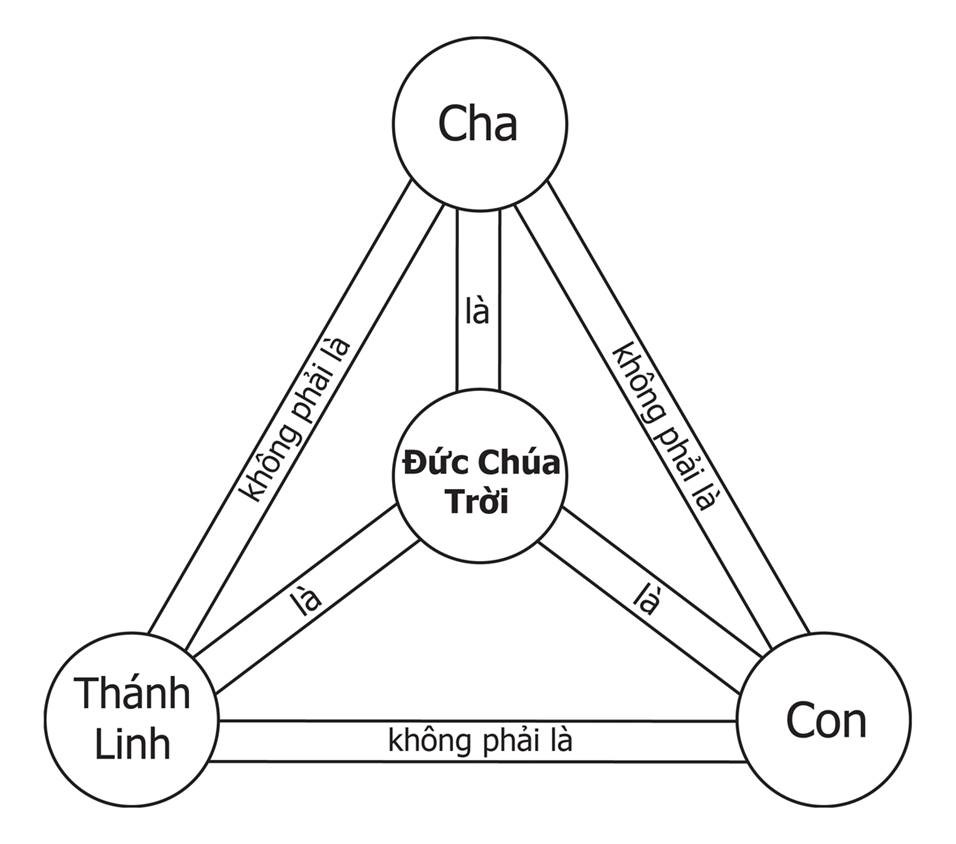
Ba Ngôi Đức Chúa Trời (BF&M: Trinity)—part 9
Baptist Faith and Message (2000)
Section 2: God
‘There is one and only one living and true God. He is an intelligent, spiritual, and personal Being, the Creator, Redeemer, Preserver, and Ruler of the universe. God is infinite in holiness and all other perfections. God is all powerful and all knowing; and His perfect knowledge extends to all things, past, present, and future, including the future decisions of His free creatures. To Him we owe the highest love, reverence, and obedience. The eternal triune God reveals Himself to us as Father, Son, and Holy Spirit, with distinct personal attributes, but without division of nature, essence, or being.’
Đức Tin và Thông Điệp của Người Báp-tít (2000)
Điều 2: Đức Chúa Trời
Chỉ có duy nhất một Đức Chúa Trời Đấng Tạo Hóa sống và chân thật. Ngài là một thực thể thông huệ, thiêng liêng và có cá tính, là Đấng Sáng Tạo, Đấng Cứu Chuộc, là Đấng Bảo Tồn, và là Đấng cai quản cả hoàn vũ. Đấng tạo hóa thánh khiết vô hạn, và Ngài có tất cả những sự hoàn hảo khác. Ngài là Đấng toàn năng, toàn tri và sự hiểu biết toàn vẹn của Ngài bao trùm cả mọi vật, trong quá khứ, trong hiện tại và trong tương lai. Ngài thật xứng đáng cho chúng ta dâng lên tình yêu, sự kính trọng và sự tuân phục cao nhất của chúng ta. Đức Chúa Trời là Chúa Ba Ngôi hằng hữu bày tỏ chính Ngài cho chúng ta qua Ngôi Đức Chúa Cha, Ngôi Đức Chúa Con và Ngôi Đức Thánh Linh, với những cá tính riêng biệt nhưng không phân chia về tính chất, bản thể hay thực thể.’
(GSiV: Trinitarian Illustrations & Outline)
(GSiV: Confessions/Các tín điều/Giáo lý Dort & Tuyên Xưng Philadelphia & Tools)
A Few Confessions of Faith in Vietnamese
Confessions of Faith in Vietnamese:
- Bài Tín Điều Các Sứ Đồ (Apostles’ Creed)
- Tín Điều Nicaea (Nicene Creed)
- Bài Tín điều Athanasius (Athanasian Creed)
- Sách Giáo Lý Có Câu Hỏi Vấn Đáp Heidelberg (Heidelberg Catechism) [link problems]
- Heidelberg Catechism (Vietnamese and English)
- Sách Giáo Lý Có Câu Hỏi Vấn Đáp–Theo Quan Điểm Tin Lành Báp Tít (1689), “Giáo Lý Vấn Đáp,” Baptist Catechism (1689) (“Giáo Lý Vấn Đáp” (Bản Tiếng Việt Của “The Baptist Catechism 1689”) (Temporary link)
- Giáo Lý Vắn Tắt Westminster / Sách Giáo Lý Có Câu Hỏi Vấn Đáp Westminster (1646), Westminster Shorter Catechism (1646)
- Giáo Lý Vấn Đáp Thành Phố Mới / Sách Giáo Lý Có Câu Hỏi Vấn Đáp Thành Phố Mới (New City Catechism)
- Giáo Luật của Dordt (Dort) / Canons of Dordt (Dort)
- Xưng Nhận Đức Tin Belgic (Belgic Confession)
- Xưng Nhận Đức Tin / Tuyên Xưng Đức Tin Philadelphia (Philadelphia Baptist Confession of Faith, 1742)(Temporary link)
- Xưng Nhận Đức Tin / Tuyên Xưng Đức Tin Cambridge / Tuyên Ngôn Cambridge (The Cambridge Declaration, 1996) (Temporary link)
Đức Tin và Thông Điệp của Người Báp-tít (Baptist Faith and Message, 2000)
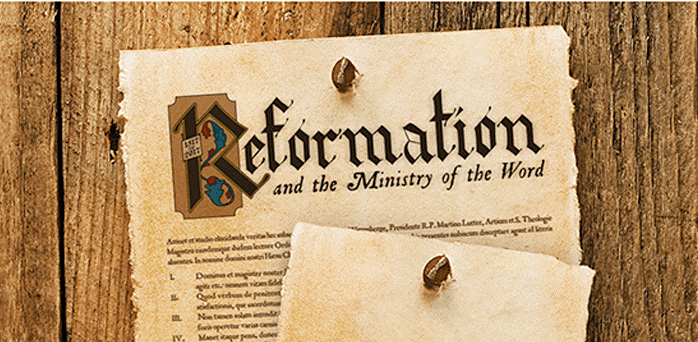
Reformation History: Five Onlys–part 10
“CHỈ DUY NHẤT” NĂM CUỘC CẢI CHÁNH
Ngày cải chánh là ngày 31 tháng 10, là ngày mà Martin Luther (1483-1546) đóng đinh lên 95 câu gốc của ông ấy. Như vậy, “solas” (“chỉ duy nhất”) năm là…
- Chỉ có duy nhất Kinh Thánh: Chỉ có duy nhất Kinh Thánh là có quyền năng cho cuộc sống và thực hành trong Hội Thánh. (Chỉ có một mình Kinh Thánh; Tiếng La-tinh: Sola Scriptura)
- Chỉ có duy nhất ân điển: Chỉ có duy nhất ân điển cao cả của Đức Chúa Trời là lý do cho sự cứu rỗi của chúng ta mà thật sự không cần bất cứ tiềm năng hay là đạo đức nào của con người, sự cố gắng, đức tin, hay là việc làm. (Chỉ có một mình ân điển; Tiếng La-tinh Sola Gratia)
- Chỉ có duy nhất đức tin: Sự công bình chỉ duy nhất bởi đức tin và không có việc làm của con người. (Chỉ bởi một mình đức tin; Tiếng La-tinh Sola Fide)
- Chỉ có duy nhất Đấng Christ: Sự cứu rỗi thông qua một người và chỉ có duy nhất công tác thêm của Đức Chúa Giê-xu Christ. (Chỉ một mình Đức Chúa Giê-xu Christ mà thôi; Tiếng La-tinh Solus Christus)
- Chỉ có duy nhất vinh hiển của Đức Chúa Trời: Tất cả mọi việc đều tồn tại, lý do chính (cuối cùng/căn bản) là vì chỉ có duy nhất vinh hiển của Đức Chúa Trời mà thôi. (Chỉ một mình Chúa được tôn vinh; Tiếng La-tinh Soli Deo Gloria)
FIVE “ONLYS” OF THE REFORMATION
October 31 is Reformation Day, the day Martin Luther (1483-1546) nailed up his 95 theses. Thus, the five “solas” (“onlys”) are…
- Scripture Alone: Scripture alone as the authority for life and practice in the church. (Only Scripture; Latin: Sola Scriptura)
- Grace Alone: God’s sovereign grace alone as the reason for our salvation without any actual or potential human merit, effort, faith, or work. (Only Grace; Latin: Sola Gratia)
- Faith Alone: Justification by faith alone and no human works. (Only faith; Latin: Sola Fide)
- Christ Alone: Salvation through the Person and work of Jesus Christ alone. (Only Christ; Latin: Solus Christus)
- Glory of God Alone: All things exist ultimately for the glory of God alone. (Only God’s glory; Latin: Soli Deo Gloria)
GSiV: Luther, Calvin, Farel, Reformation (Tiếng Việt và Tiếng Anh)
Reformation History: Calvin và Farel–part 6
‘While Calvin was thus engaged, the Reformation advanced into the French cantons of Switzerland. Guillaume Farel (1489–1565), a red-headed, hot-tempered, strong-voiced, prophetic individual, established the Reformation in Geneva. Farel was born into a middle-class French family and educated in French universities. Soon after 1521 he accepted Luther’s idea of justification by faith. Protected by Bern, he helped spread Reformed ideas. In 1532 he began work in Geneva. In 1535 he won a dispute with those opposed to the Reformation, and the General Assembly of Citizens formally adopted the ideas of the Reformers in 1536. Farel realized that he needed someone with more organizing ability to help him establish the Reformation in Geneva. During his travels, Calvin stopped in Geneva one night in 1536. Farel went to him and urged him to help him. When Calvin demurred because he loved the life of a student and writer of theology, Farel told him that the curse of God would be on him if he did not stay. Stricken by fear, as Calvin later confessed, he decided to remain. He and Farel cooperated until they were exiled in 1538. Calvin became a teaching minister of Geneva in 1536.’
‘Đang khi Calvin dự phần như thế, Cuộc Cải Chánh đã tiến vào các tổng nói tiếng Pháp tại Thụy Sĩ. Guillaume [William] Farel (1489-1565), một người tóc hoe đỏ, nóng tính, giọng nói mạnh mẽ và mang tính tiên tri, đã vững lập Cuộc Cải Chánh tại Geneva. Farel sinh ra trong gia đình người Pháp thuộc tầng lớp trung lưu và được học tại các đại học ở Pháp. Chẳng bao lâu sau năm 1521, ông đã tiếp nhận ý kiến của Luther về sự xưng công bình bởi đức tin. Được Bern [thành phố ở Thụy Sĩ] bảo vệ, ông đã giúp truyền bá các ý tưởng Cải Cách. Năm 1532, ông bắt đầu hoạt động tại Geneva. Năm 1535, ông đã chiến thắng cuộc tranh luận với những người đang chống đối Cuộc Cải Chánh, và Đại Hội Đòng Công Dân đã chính thức đi theo các ý kiến của các nhà Cải Chánh vào năm 1536. Farel nhận thấy cần người có tài tổ chức để giúp ông vững lâp Cuộc Cải Chánh tại Geneva. Một lần trong những chuyến đi, Calvin dừng chân tại Geneva một đêm kia vào năm 1536. Farel đến gặp Calvin và nài nỉ Calvin giúp mình. Khi Calvin lưỡng lự vì yêu thích cuộc sống của sinh viên và viết lách về thần học, Farel bảo ông rằng lời rủa sả của Đức Chúa Trời sẽ giáng trên ông nếu ông không ở lại. Vì sợ, như sau này Calvin đã thú nhận, ông đã quyết định ở lại. Ông và Farel đã cộng tác với nhau cho đến khi họ bị trục xuất vào năm 1538. Calvin đã trở thành vị mục sư giáo sư của Geneva vào năm 1536.’
-Earle E. Cairns, Christianity through the Centuries, 1996, ed 3rd, p. 303–304 / Cơ Đốc Giáo Trải Các Thế Kỷ, 2010, tr. 343
GSiV: Luther, Calvin, Reformation
Reformation History: 5 Điều Duy Nhất–part 4
Năm Điều Duy Nhất Của Cuộc Cải Chánh
(Five Solas of the Reformation)
‘31 Tháng Mười năm 1517, Mác-tin Lu-tơ đã đóng ghim 95 luận điểm cải cách giáo hội của ông trên cánh cửa nhà thờ, lập cột mốc vô cùng quan trọng thúc đẩy sự bùng phát lên từ đó của dòng Tin lành, mà thực chất là đưa Hội thánh quay trở lại với cội nguồn đức tin và gìn giữ những chân lý đã được Đức Chúa Trời đóng ấn trong Kinh thánh….’
‘Duy chỉ Kinh thánh! Kinh thánh được chính Thánh Linh Chúa Trời cảm hứng soi dẫn những con người viết ra, duy nhất là chân lý với thẩm quyền tối cao để bày tỏ hoàn toàn….
‘Duy chỉ đức tin! Con người được nhận sự tha thứ của Chúa Trời chỉ duy nhất nhờ đức tin vào sự hy sinh chuộc tội của Cứu Chúa Jê-sus, chứ không thể nhờ các việc làm công đức….
‘Duy chỉ ân điển! Sự cứu rỗi đến chỉ nhờ duy nhất ân điển Đức Chúa Trời, là ơn thương xót, là món quà Chúa ban cho không….
‘Duy chỉ Đấng Christ! Đức Chúa Jê-sus là Con duy nhất của Đức Chúa Trời, là Đức Chúa Trời trọn vẹn và cũng là con người trọn vẹn, Ngài là Đấng trung bảo duy nhất giữa Đức Chúa Trời và loài người, không hề có sự cứu rỗi trong đấng nào khác….
‘Vinh hiển duy thuộc Đức Chúa Trời! Mọi vinh hiển duy nhất chỉ thuộc về Đức Chúa Trời….’
-Trần Quốc Hùng
(GSiV: Luther, Calvin, Farel, Reformation)
Reformation History: Martin Luther’s Conversion (Spurgeon)–part 3
“The just shall live by faith” (Romans 1:17)
Spurgeon spoke the following about Luther:
‘No sooner did he believe this than he began to live in the sense of being active. A [priest], named Tetzel, was going about all over Germany selling the forgiveness of sins for so much ready cash. No matter what your offense, as soon as your money touched the bottom of the [collection] box your sins were gone. Luther heard of this, grew indignant, and exclaimed, “I will make a hole in his drum,” which assuredly he did, and in several other drums. The nailing up of his theses on the church door was a sure way of silencing the indulgence music. Luther proclaimed pardon of sin by faith in Christ without money and without price, and the Pope’s indulgences were soon objects of derision. Luther lived by his faith, and therefore he who otherwise might have been quiet, denounced error as furiously as a lion roars upon his prey. The faith that was in him filled him with intense life, and he plunged into war with the enemy. After a while they summoned him to Augsburg, and to Augsburg he went, though his friends advised him not to go. They summoned him, as a heretic, to answer for himself at the Diet [Imperial Council] of Worms, and everybody [told him to] stay away, for he would be sure to be burned [at the stake]; but he felt it necessary that the testimony should be borne, and so in a wagon he went from village to village and town to town, preaching as he went, the poor people coming out to shake hands with the man who was standing up for Christ and the gospel at the risk of his life. You remember how he stood before that august assembly [at Worms], and though he knew as far as human power went that his defense would cost him his life, for he would, probably, be [burned at the stake] like John Huss, yet he [acted like a] man for the Lord his God. That day in the German Diet [Court] Luther did a work for which ten thousand times ten thousand mothers’ children have blessed his name, and blessed yet more the name of the Lord his God.’
-C. H. Spurgeon, “A Luther Sermon at the Tabernacle.”
//
“Người công bình sống bởi đức tin” (Rô-ma 1:17)
Spurgeon đã nói về Luther như sau:
‘Ông tin vào điều nầy không bao lâu thì ông bắt đầu để sống trong cảm giác của bản chất tích cực. Vị [tu sĩ], tên là Tetzel, đã đi khắp Nước Đức rao bán sự tha thứ tội lổi cho những ai có ít tiền mặt sẳn sàng. Không cần biết bạn phạm tội gì, một khi tiền của bạn đụng dưới đáy thùng [đựng tiền] thì tội của bạn biến mất. Luther nghe về điều nầy, trở nên căm phẫn, và la lên, “Tôi sẽ làm lũng một lổ trong cái trống của hắn,” tất nhiên ông đã làm như vậy, và trong những cái trống khác nữa. Sự đóng đinh những bản án lên trên những cửa của nhà thờ là một cách làm im lặng sự ham mê âm nhạc. Luther tuyên bố sự tha tội là bởi đức tin trong Chúa Giê-sus Christ không có cần tiền và không có giá, và sự nuông chiều của Đức Giáo Hoàng sẽ sớm thành những đồ vật cho sự chế nhạo. Ông Luther sống bởi đức tin, và vì thế ông không còn im lặng, lên án những sự sai lầm như một con sư tử giận dữ đang gầm trên con mồi của mình. Đức tin ở trong ông làm đầy sức sống mãnh liệt trên ông, và ông lao mình vào chiến tranh với kẻ thù. Sau một thời gian họ triệu ông đến Augsburg, và ông đi đến Augsburg, mặc dù bạn bè đề nghị với ông rằng ông không nên đi. Họ triệu ông đến, như người theo dị giáo, để tự trả lời cho chính mình tại Hội Nghị [Hội Đồng Đế Quốc] thuộc Người Không Đáng Kể (Worms), và mọi người đều [kêu ông phải] tránh xa, bằng không ông chắc chắn sẽ bị thiêu [tại cột trói để thiêu sống]; nhưng ông cảm thấy có sự cần thiết rằng lời chứng phải được chịu đựng, cho nên bằng chiếc xe ngựa ông đi từ làng nầy đến làng kia và từ tỉnh nầy đến tỉnh kia, vừa đi vừa rao giảng, những người nghèo khó ra và bắt tay với người đàn ông tranh đấu vì Đấng Christ và tin lành bằng sự nguy hiểm của mạng sống mình. Bạn nhớ ông đứng trước hội nghị tháng tám như thế nào [tại Người Không Đáng Kể (Worms)], và dù ông biết về phần sức của loài người thì sự biện hộ của ông phải trả bằng mạng sống, ông sẳn sàng chịu, có thể, bị [thiêu sống tại cột trói] như ông John Huss, hơn nữa ông [đóng vai trò như] một người cho Chúa là Đức Chúa Trời. Ngày đó trong Hội Đồng của người Đức [Toà] ông Luther làm một việc thay cho mười ngàn lần mười ngàn những con của những người mẹ đã chúc phước tên của ông, và được phước nhiều hơn thế nữa danh của Chúa là Đức Chúa Trời của ông.’ link
(GSiV links)
Does Calling on Lord’s Name Equal Salvation?
How are people saved? What role does repentance play? “Easy Believe-ism” is a problem around the world. Here’s a helpful article:
‘One of the verses that’s routinely overused—and under-exegeted—in gospel ministry is Romans 10:13, “For whoever will call on the name of the Lord will be saved.”
‘That verse has been a go-to text for evangelists like Billy Graham. But excerpted out of its context, it’s a recipe for shallow faith and false assurance. And the rampant, easy abuse of Romans 10:13 and similar verses is the reason for the widespread easy-believism and false assurance that plagues the church today.
‘To understand Paul’s true intent in Romans 10:13, we need to consider the surrounding verses…. Paul’s point is clear—salvation is not a birth right, nor is it a momentary decision. True faith is active and ongoing.’
-Jeremiah Johnson, “Is Calling on the Lord’s Name All It Takes to Be Saved?”
Read the whole article here
(GSiV links)
Free Will: Geisler and White
- John 8:31–34 “So Jesus said to the Jews who had believed him, “If you abide in my word, you are truly my disciples, and you will know the truth, and the truth will set you free.” They answered him, “We are offspring of Abraham and have never been enslaved to anyone. How is it that you say, ‘You will become free’?” Jesus answered them, “Truly, truly, I say to you, everyone who practices sin is a slave to sin.” (ESV)
- ‘Chúa Giê-xu bảo những người Do-thái đã tin Ngài rằng, “Nếu các ngươi trung thành với lời dạy của ta thì các ngươi sẽ là môn đệ thật của ta. Các ngươi sẽ biết sự thật, và sự thật sẽ giải thoát các ngươi.” Họ đáp, “Chúng tôi là con cháu Áp-ra-ham, chưa hề làm tôi mọi ai. Tại sao thầy lại nói chúng tôi sẽ được giải thoát?” Chúa Giê-xu đáp, “Ta bảo thật, ai phạm tội là tôi mọi của tội lỗi.’ (BPT 2010)
‘The one who commits sin is the slave of sin. Slavery is servitude, not freedom. Christ’s words tell us that sin is a taskmaster, we the servants. We do not rule over it. It rules those who are under its power. Slavery is antithetical to “free will.” Man in sin is not free to do what is good.
‘It is utterly amazing, then, to read the words of Dr. Geisler who writes, [page 65] “We are born with a bent to sin, but we still have a choice whether we will be its slave.” How can this be when the Lord teaches that sin brings slavery? What kind of “choice” is left to the slave concerning his servitude?’
James White, The Potter’s Freedom, p.87
(Đoạn 42, GSiV: Ý chí tự do của con người, Xem chi tiết)
(Also see GSiV here)




 QUYỀN NĂNG CAO CẢ CỦA ĐỨC CHÚA TRỜI Ở VIỆT NAM (Ê-phê 1:4-5)