

TULIP là gì?
“TULIP. Cách tóm tắt giúp nhớ năm điểm trong giáo lý của phái Calvin khẳng định tại Hội nghị Dort (1618-1619):
- Hoàn toàn bại hoại (Total depravity),
- Sự lựa chọn vô điều kiện (Unconditional election),
- Cứu chuộc có giới hạn (Limited atonement; [Particular redemption])
- Ân điển bất khả kháng (Irresistible grace; [Overcoming Grace])
- Sự bền đỗ của thánh đồ (Perseverance of the saints; [Perseverance of the Savior]).”
–Sổ tay Thuật Ngữ Thần Học Anh-Việt (Ấn bản thứ 2), tr. 236.
(GSiV: TULIP: Possible translations in Vietnamese; Election; Atonement; Piper; Eternal security; Salvation; Evangelism and Calvinism; TULIP; A great brief summary of Calvinism (in English); The Joys of Definite Atonement )
The Joys of Definite Atonement
Definite atonement is also called particular redemption and specific atonement. One theologian of the past helpfully asked, “When Jesus died, did he have a specific people in mind?” We think the Bible answers “Yes.” In other words, God didn’t merely “provide” salvation; he sent Jesus to die for the elect. Below are some other details by another pastor-theologian to help us think biblically:
‘It is important. Sometimes it is called “limited” atonement, which is an unfortunate designation, because it seems to minimize or diminish the work of the atonement. In fact, what we are arguing for is not something less than others believe but for something more. This what I mean: The Bible speaks about God loving the world (John 3:16). And he speaks about Christ being “the Savior of all people, especially of those who believe” (1 Timothy 4:10).’
-Piper
Listen or read more here
(GSiV: GSiV Resource Page; No Free Will: Bondage; The human will in bondage to sin; Traditionalism/Provisionism; ĐỨC CHÚA TRỜI VÀ SỰ CỨU RỖI: Tín Lý Về Ân Điển Quyền Năng (Gi. 3:16); How do we stop loving the darkness?; How the gospel works–election; A God who can’t be stopped; Provisionism: Did God save people or just provide salvation?; If the saved need God to will for them, how much more the lost; Original Sin & Total Depravity series–part 3; If Calvinism is true…part 3;; Praising God’s purpose and plan: to get glory (Eph 1:5-14); TULIP: Possible translations in Vietnamese; Election; Atonement; Piper; Eternal security; Salvation; Evangelism and Calvinism; TULIP; A great brief summary of Calvinism (in English))
Thưa anh em, Đức Chúa Trời là Phúc Âm
‘Kể từ khi quyển sách này được xuất bản vào năm 2002, tôi suy nghĩ đến một vài chân lý mà trong đó có lẽ thật về Đức Chúa Trời là Phúc Âm. Điều đơn giản mà câu này muốn nói là sự tốt đẹp nhất ở trong Tin lành là chính Đức Chúa Trời. Khi đặt niềm tin vào Phúc Âm, bạn đang nếm biết và nhìn thấy Chúa là tốt lành và món quà quý nhất mà Chúa đã chuộc lại cho bạn qua sự chết của Con Ngài là được vui hưởng chính Đức Chúa Trời.’
-Piper (Tien Phong)
Đọc Thêm
(GSiV: Phúc Âm cho Cơ Đốc nhân; Phúc Âm Là Gì?; Đức Chúa Trời là Phúc âm, Piper–part 1; Piper; Năm Luận Điểm; Phúc Âm cho Cơ Đốc nhân; Prosperity Gospel?; Elliff; More Resources)
Doing Church God’s Way: who can women teach?
‘Spiritually mature womanhood should disincline a woman from taking opportunities to teach men (including mixed adult groups) wherever that role would embody the kind of authoritative engagement that would be like the teaching and authority of an elder in the church. That’s the principle that I try to follow.
Or, to put it positively, spiritual women should fill their lives with Christ-exalting ministries that come alongside the leadership of spiritual men and find their fruitfulness in ways that support and complement that leadership. There is a fitness in the nature of things, by virtue of creation and God’s design, that causes women to flourish under the strong, humble, spiritual leadership of men, which is not true about men under the leadership of women. I think that’s implied in these texts.’
-Piper
Read (or listen to) the whole thing here
(GSiV: Unity; Pastors; Phúc Âm cho Cơ Đốc nhân; More Resources; Nữ và vai trò mục sư)
Explaining doctrine of election over a meal or coffee
Here are a few verses that pastor John Piper uses to kindly persuade those struggling against this beautiful doctrine:
- “God, who said, ‘Let light shine out of darkness,’ has shone in our hearts to give the light of the knowledge of the glory of God” (2 Corinthians 4:6).
- “Even when we were dead in our trespasses, God made us alive” (Ephesians 2:1, 5).
- “The Lord’s servant must be patient and correct with gentleness. God may perhaps grant them repentance, leading to a knowledge of the truth” (2 Timothy 2:24–25).
- “…no one can come to me unless it is granted to him by the Father” (John 6:65).
- “As many as were appointed to eternal life believed” (Acts 13:48).
- “Even as he chose us [he elected us] in him before the foundation of the world” (Ephesians 1:4).
- Also see Romans 8:30, Romans 9:11, Romans 11:5, and 1 Corinthians 1:23-24.
Listen or read the whole thing here
(GSiV: A Mindset All Reformed Folks Need; GSiV Resource Page; Election ;
Sanctification: by a means other than the gospel?
‘The error that we must emphatically repudiate is the often held notion that the gospel is the power of God only to get us converted. I once heard a missionary speaker report how a pastor in the mission field wrote to headquarters concerning his flock: “We all know the gospel here, and now we must go on to something more solid.” The idea is that the gospel is the gateway to Christian experience, and thus to eternal life, but once we enter that gateway we move on to another more solid reality by which we progress. Sanctification, or becoming holy, or growing in the Christian faith, is frequently [wrongly] depicted as a new stage after conversion. The means to it is variously presented. For some it is by an act of “total commitment,” or of “self emptying” or of “putting to death the old nature.” For others it is a distinct crisis experience of the Holy Spirit. Christian literature and preaching is full of “steps to the deeper life” or “keys to the abundant and victorious life.” This is not to quibble over pious jargon and terminology. The point at issue is simply this: When we approach sanctification as attainable by any means other than the gospel of Christ–the same gospel by which we are converted–we have departed from the teaching of the New Testament.’
-Graeme Goldsworthy, The Lamb and the Lion, pp 24-25
(GSiV: Ân điển, chứ không phải những quy tắc / Grace not rules;
Gospel Grace Versus Dead Religion–part 6; Sanctification (Sự nên thánh): Erickson–part 1; Earning vs effort: grace, justification, and sanctification; Jerry Bridges; Holiness according to the resources available to us in Christ ; Sanctification)
Praising God’s purpose and plan: to get glory (Eph 1:5-14)
God’s purpose in choosing us (v4) for salvation (v5) was to bring himself glory. We do well to glory in what God glories in. While man believes (he really does act), it is all according to God’s will. God’s will is emphasized, not man’s because Paul is highlighting God’s great plan of choosing ahead of time those whom he would save.
| Ephesians 5–14 (ESV) — 1 In love 5 he predestined us for adoption to himself as sons through Jesus Christ, according to the purpose of his will, 6 to the praise of his glorious grace, with which he has blessed us in the Beloved. 7 In him we have redemption through his blood, the forgiveness of our trespasses, according to the riches of his grace, 8 which he lavished upon us, in all wisdom and insight 9 making known to us the mystery of his will, according to his purpose, which he set forth in Christ 10 as a plan for the fullness of time, to unite all things in him, things in heaven and things on earth. 11 In him we have obtained an inheritance, having been predestined according to the purpose of him who works all things according to the counsel of his will, 12 so that we who were the first to hope in Christ might be to the praise of his glory. 13 In him you also, when you heard the word of truth, the gospel of your salvation, and believed in him, were sealed with the promised Holy Spirit, 14 who is the guarantee of our inheritance until we acquire possession of it, to the praise of his glory. | Ê-phê-sô 1:5-14 VIE20105 Trong tình yêu thương, Ngài đã định sẵn cho chúng ta địa vị làm con nuôi của Ngài bởi Đức Chúa Jêsus Christ, theo mục đích tốt đẹp của ý muốn Ngài, 6 để ca ngợi ân điển vinh quang mà Ngài đã ban tặng cho chúng ta trong Con yêu dấu của Ngài! 7 Vì trong Đấng Christ, chúng ta được cứu chuộc bởi huyết Ngài, được tha tội theo sự phong phú của ân điển Ngài, 8 là ân điển mà Ngài ban cho chúng ta một cách dư dật. Với tất cả sự khôn ngoan thông hiểu, 9 Ngài khiến chúng ta biết được sự mầu nhiệm của ý muốn Ngài, theo mục đích tốt đẹp mà Ngài đã định sẵn trong Đấng Christ, 10 để đến thời viên mãn, theo kế hoạch, Ngài quy tụ muôn vật lại trong Đấng Christ, cả những vật trên trời và dưới đất. 11 Cũng trong Ngài, chúng ta được chọn làm người thừa hưởng cơ nghiệp được định sẵn theo kế hoạch của Đức Chúa Trời, Đấng hoàn thành mọi sự theo mục đích Ngài muốn, 12 để chúng ta, những người đầu tiên đặt hi vọng trong Đấng Christ, ca ngợi vinh quang của Ngài. 13 Trong Ngài, anh em là người đã nghe lời chân lý, là Tin Lành mà anh em được cứu rỗi. Cũng trong Ngài, anh em đã tin và được đóng ấn bằng Đức Thánh Linh như lời hứa. 14 Đấng ấy là bảo chứng của cơ nghiệp chúng ta cho đến khi những người thuộc về Ngài nhận được sự cứu chuộc, để ca ngợi vinh quang của Ngài.” | Ephesians 1:5–14 (NA27) 5προορίσας ἡμᾶς εἰς υἱοθεσίαν διὰ Ἰησοῦ Χριστοῦ εἰς αὐτόν, κατὰ τὴν εὐδοκίαν τοῦ θελήματος αὐτοῦ, 6 εἰς ἔπαινον δόξης τῆς χάριτοςαὐτοῦ ἧς ἐχαρίτωσεν ἡμᾶς ἐν τῷ ἠγαπημένῳ. 7 ἐν ᾧ ἔχομεν τὴν ἀπολύτρωσιν διὰ τοῦ αἵματος αὐτοῦ, τὴν ἄφεσιν τῶν παραπτωμάτων, κατὰ τὸ πλοῦτος τῆς χάριτος αὐτοῦ 8 ἧς ἐπερίσσευσεν εἰς ἡμᾶς, ἐν πάσῃ σοφίᾳ καὶ φρονήσει, 9γνωρίσας ἡμῖν τὸ μυστήριον τοῦ θελήματος αὐτοῦ, κατὰ τὴν εὐδοκίαν αὐτοῦ ἣν προέθετο ἐν αὐτῷ 10 εἰς οἰκονομίαν τοῦ πληρώματος τῶν καιρῶν, ἀνακεφαλαιώσασθαι τὰ πάντα ἐν τῷ Χριστῷ, τὰ ἐπὶ τοῖς οὐρανοῖς καὶ τὰ ἐπὶ τῆς γῆς ἐν αὐτῷ. 11 ἐν ᾧ καὶ ἐκληρώθημεν προορισθέντες κατὰ πρόθεσιντοῦ τὰ πάντα ἐνεργοῦντος κατὰ τὴν βουλὴν τοῦ θελήματος αὐτοῦ 12 εἰς τὸ εἶναι ἡμᾶς εἰς ἔπαινον δόξης αὐτοῦ τοὺς προηλπικότας ἐν τῷ Χριστῷ. 13ἐν ᾧ καὶ ὑμεῖς ἀκούσαντες τὸν λόγον τῆς ἀληθείας, τὸ εὐαγγέλιον τῆς σωτηρίας ὑμῶν, ἐν ᾧ καὶ πιστεύσαντες ἐσφραγίσθητε τῷ πνεύματι τῆς ἐπαγγελίας τῷ ἁγίῳ, 14 ὅ ἐστιν ἀρραβὼν τῆς κληρονομίας ἡμῶν, εἰς ἀπολύτρωσιν τῆς περιποιήσεως, εἰς ἔπαινον τῆς δόξης αὐτοῦ. |
(GSiV: Election; GSiV Resource Page; No Free Will: Bondage; The human will in bondage to sin; Traditionalism/Provisionism; ĐỨC CHÚA TRỜI VÀ SỰ CỨU RỖI: Tín Lý Về Ân Điển Quyền Năng; How do we stop loving the darkness?; How the gospel works–election ; A God who can’t be stopped; Provisionism: Did God save people or just provide salvation? ; If the saved need God to will for them, how much more the lost; Original Sin & Total Depravity series–part 3; If Calvinism is true…part 3)
A Few Little Sins: the progress of sin
‘If you put up with a few little sins, you will soon want a few more. Even as an unbeliever, Juvenal* could say, “Whoever was content with only one sin?” Your path will be regularly worse and worse every year. Jeremy Taylor* aptly described the progress of sin in a man: “First it startles him, then it becomes pleasing, then easy, then delightful, then frequent, then habitual, then confirmed! Then the man is impenitent, then obstinate, then resolves never to repent, and then he is damned.”
‘Young men, if you do not want to come to this, remember the rule I am giving you today: resolve at once to renounce every known sin.’
-J.C. Ryle (d. 1900 AD), Thoughts for Young Men, chap 4
*Juvenal (34-12 AD) was a Roman satirical poet.
*J. Taylor (1613-1667 AD) was a Church of England minister.
(GSiV: Ân điển, chứ không phải những quy tắc / Grace not rules; Gospel Grace Versus Dead Religion–part 6; Sanctification (Sự nên thánh): Erickson–part 1; Earning vs effort: grace, justification, and sanctification; Jerry Bridges; Holiness according to the resources available to us in Christ )
Preach only God’s Word unflinchingly
While I don’t agree with certain aspects of the theology of the radical reformers from the 1500s in Europe, I certainly appreciate that they stood on their convictions for believer’s baptism; and many paid with their lives.
“Seek earnestly to preach only God’s word unflinchingly, to establish and defend only divine practices, to esteem as good and right only what can be found in definite clear Scripture, and to reject, hate, and curse all the schemes, words, practices, and opinions of all men, even your own.”
-Conrad Grebel
Read the whole thing here
(GSiV: Năm Điều Duy Nhất Của Cuộc Cải Chánh (5 onlys, 5 solas); Reformation History;
A Mindset All Reformed Folks Need; Unity; GSiV Resource Page)
The hard work of loving others
‘Peace. By which I mean peace in your heart that expels anger. Very often it’s God’s judgment that we must remember when we’re angry with others at church. Just as smoke indicates fire, anger indicates injustice. The question is how you’ll respond to that injustice. Will you spin your heart into a whirlwind of self righteous contempt by endlessly rehearsing to yourself arguments against those you disagree with? Or will you quench your anger in God’s soothing promise to one day settle all wrongs?’
-Dunlop
Read the whole thing here
Khả Năng Phân Định Là Gì? (Ông Ferguson)
‘Một người quen của tôi mới đây đã chia sẻ quan điểm khiến tôi khá bất ngờ và đôi phần thất vọng. Tôi tự nhủ, “Tôi cứ tưởng anh ấy sẽ có khả năng phân định tốt hơn thế.”
Trải qua chuyện đó, tôi nhận ra tầm quan trọng của khả năng phân định và thấy sự thiếu vắng điều này trong thế giới ngày nay.’
-Ferguson
Đọc Thêm
(GSiV: GSiV Resource Page; Elliff)
Burroughs on being unthankful
‘Unthankfulness is an evil and a wicked effect which comes from discontent. The Scripture ranks unthankfulness among very great sins. Men and women, who are discontented, though they enjoy many mercies from God, yet they are thankful for none of them, for this is the vile nature of discontent, to lessen every mercy of God. It makes those mercies they have from God as nothing to them, because they cannot have what they want. Sometimes it is so even in spiritual things: if they do not have all they desire, the comforts that they would have, then what they do have is nothing to them. Do you think that God will take this well? Suppose you were to give a friend or a relation some money to trade with and he came and said: “What is this you have given me?
There are only a few coins here. This is no good to me.” This would be intolerable to you, that he should react to your gift like this, just because you have not given him as much money as he would like. It is just the same when you are ready to say: “All that God has given me is worthless. It is no good to me. It is only a few coins.” For you to say that what God gives you is nothing and only common gifts, all given in hypocrisy, and counterfeit, when they are the precious graces of God’s Spirit and worth more than thousands of worlds–how ungrateful it is! The graces of God’s Spirit are nothing to a discontented heart who cannot have all that he would have. And so for outward blessings: God has given you health of body, and strength, and has given you some competence for your family, some way of livelihood, yet because you are disappointed in something that you would have, therefore all is nothing to you. Oh, what unthankfulness is this!’
-Jeremiah Burroughs (1600-1646), The Rare Jewel of Christian Contentment, pp 154-155.
(GSiV: repentance; Humility; Sanctification; Nhu mì và Khiêm nhường, Part 6; Contentment: Putting our smallness in perspective)



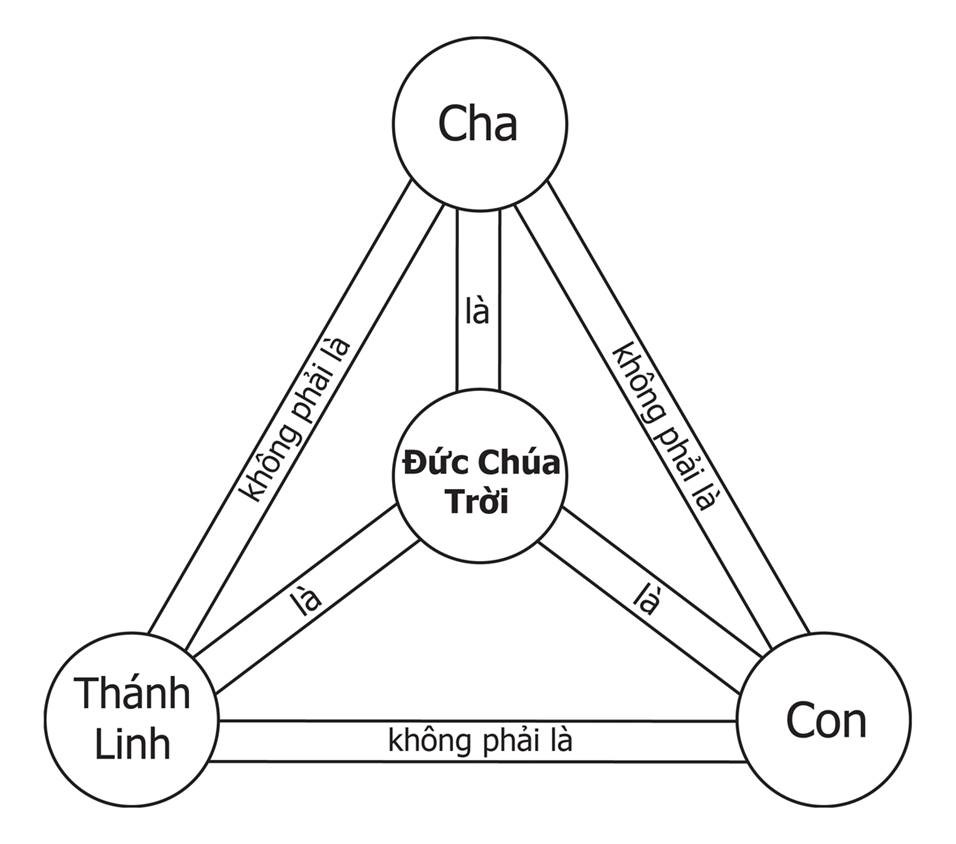



 QUYỀN NĂNG CAO CẢ CỦA ĐỨC CHÚA TRỜI Ở VIỆT NAM (Ê-phê 1:4-5)