QUYỀN NĂNG CAO CẢ CỦA ĐỨC CHÚA TRỜI Ở VIỆT NAM (Ê-phê 1:4-5)

Sự Hòa Thuận và Sự Xung Khắc?

Phương Pháp Giải Quyết Xung Khắc


Mở đầu: Khi sự xung khắc thật sự xảy ra thì phải có một giải pháp thật sự đúng dắn


  1. Trượt Dài vào Sai Lầm
  2. Trung Gian Hòa Giải
  3. Giúp Hai Bên Hòa Giải với Nhau
  4. Những Chi Tiết Cơ Bản của Việc Tư Vấn Hòa Giải
  5. Noi theo Gương Khôn Ngoan của Vua Sa-lô-môn
  6. Chuẩn Bị cho Hai Bên Sẵn Sàng Hòa Thuận với Nhau


-Ken Sande và Ted Kober


From Peacemaker Ministries

God’s Part and Man’s Part in Salvation

Here’s an outline to a helpful article that clearly explains the doctrines of sovereign grace:

‘God and man must both do something before a man can be saved….


ONE

1). ‘A man must repent and believe in order to be saved.  No one was ever forgiven and made a child of God who did not willingly turn from sin to Christ….


TWO

2). ‘Every one who repents and believes the gospel will be saved….


THREE

3). ‘Repentance and faith are not vicarious but are the free acts of men.  Men, with their own mind, heart, and will must renounce sin and receive Christ.  God doesn’t repent and believe for us–we repent and believe….


‘… We have neither proven freewill nor disproved election, since it is impossible to do either….


FOUR

4). ‘The same Bible that states man must repent and believe in order to be saved, also emphatically states that man, because of his sinful nature, is totally unable to repent and believe….


‘To believe and preach points One, Two, and Three, without also preaching number Four is to grossly misrepresent the gospel of God’s grace.  It is to give a totally false picture of the sinner and his true need.  It shows only half of the man’s sin….


‘Please note a few texts of Scripture that dogmatically state some things that a lost man cannot do:

  • ‘Man cannot see-until he first be born again. (John 3:3)
  • ‘Man cannot understand-until he first be given a new nature. (I Cor. 2:14)
  • ‘Man cannot come-until he first be effectually called by the Holy Spirit. (John 6:44-45)


‘We do not have space to go into all the “cannots,” but these three are sufficient to show that a sinner absolutely cannot…come to Christ until God first does something in that sinner’s nature.  That “something” is what the Bible calls regeneration, or the new birth, and it is the exclusive work of God the Holy Spirit.  Man has no part whatever in regeneration.


FIVE

5). ‘The new birth, or regeneration, is God giving us the spiritual life that enables us to do what we must do (repent and believe), but CANNOT DO because of our bondage to sin…. We indeed need Christ to die and pay the penalty of our sin, but we just as desperately need the Holy Spirit to give us a new nature in regeneration….


‘God is a triune God…. No man can declare the “glorious gospel of grace” and leave out the Father’s sovereign electing love and the Holy Spirit’s regenerating power as essential parts of God’s work in saving sinners…. How dreadful, and ridiculous, to give Christ the glory for His work on the cross, and then give sinners the credit for the Father’s work in eternity (election) and the Spirit’s work in our hearts (regeneration)….


‘The root error of the Arminian’s gospel of freewill is its failure to see that man’s part, repentance and faith, are the fruits and effects of God’s work and not the essential ingredient’s supplied by the sinner as “man’s part of the deal…”.


SIX

6). ‘The Scriptures clearly show that faith and repentance are the evidences and not the cause of regeneration…. Just so when a spiritually dead man begins to perform spiritual acts such as repentance and faith-these spiritual “fruits” show that the miracle of the new birth has taken place….


‘…  Acts 16:14 is a clear proof of the above…. Arminianism insists that man’s free will must furnish the willingness or power, and the Bible says that the Holy Spirit of God furnishes that power or ability in the new birth….


‘The necessity of the Holy Spirit’s work being thus theologically denied, it will not be long before it is ignored in actual practice.  This is the plight of modern day evangelism….’


-John G. Reisinger

Read it all


 (Đoạn 42, GSiV: Ý chí tự do của con người, Xem chi tiết)

(Also see GSiV here)
 

Đức Chúa Trời và Sự Cứu Rỗi–13

 ‘Trong [Giăng] chương 6, Chúa Giê-xu phán: “Ví bằng Cha, là Đấng sai ta, không kéo đến, thì chẳng có ai được đến cùng ta, và ta sẽ làm cho người đó sống lại nơi ngày sau rốt” (câu 44). Giăng 6:65 nói rằng: “Ngài lại phán rằng: Chính vì cớ đó, mà ta đã nói cùng các ngươi rằng nếu Cha chẳng ban cho, thì chẳng ai tới cùng Ta được.” Sự nhấn mạnh ở đây là về quyền năng của Đức Chúa Trời và không phải ý muốn của con người. Vì vậy khi chúng ta chuẩn bị để Giăng 3:16 thể hiện đầy đủ ý của nó, đừng để ý con người trong đó. Vâng, Đức Chúa Trời yêu thế gian, nhưng chúng ta phải hiểu chữ “hễ ai” theo nghĩa như Chúa Giê-xu và Giăng bày tỏ. Chúng ta cho rằng chữ “hễ ai” không nhấn mạnh ý chí tự do của con người mà nhấn mạnh tình yêu và ân điển quyền năng (sovereign grace) của Đức Chúa Trời là điều soi sáng cách rõ ràng xuyên suốt toàn bộ Kinh Thánh, là hy vọng cứu chuộc duy nhất của người được chọn (as the elects’ only hope of redemption).’


SOME ENGLISH:

‘In [John] chapter 6 Jesus said, “No one can come to me unless the Father who sent me draws him. And I will raise him up on the last day” (verse 44)….’


– Đoạn 9, GSiV: Xem chi tiết

Labor On, Spend and Be Spent

“Go, labor on while it is day,

The world’s dark night is hastening on.

Speed, speed thy work, cast sloth away—

It is not thus that souls are won.”

-Horatius Bonar (1808-1889), “Go Labor On, Spend and Be Spent,” Hymn

(Also see GSiV here)

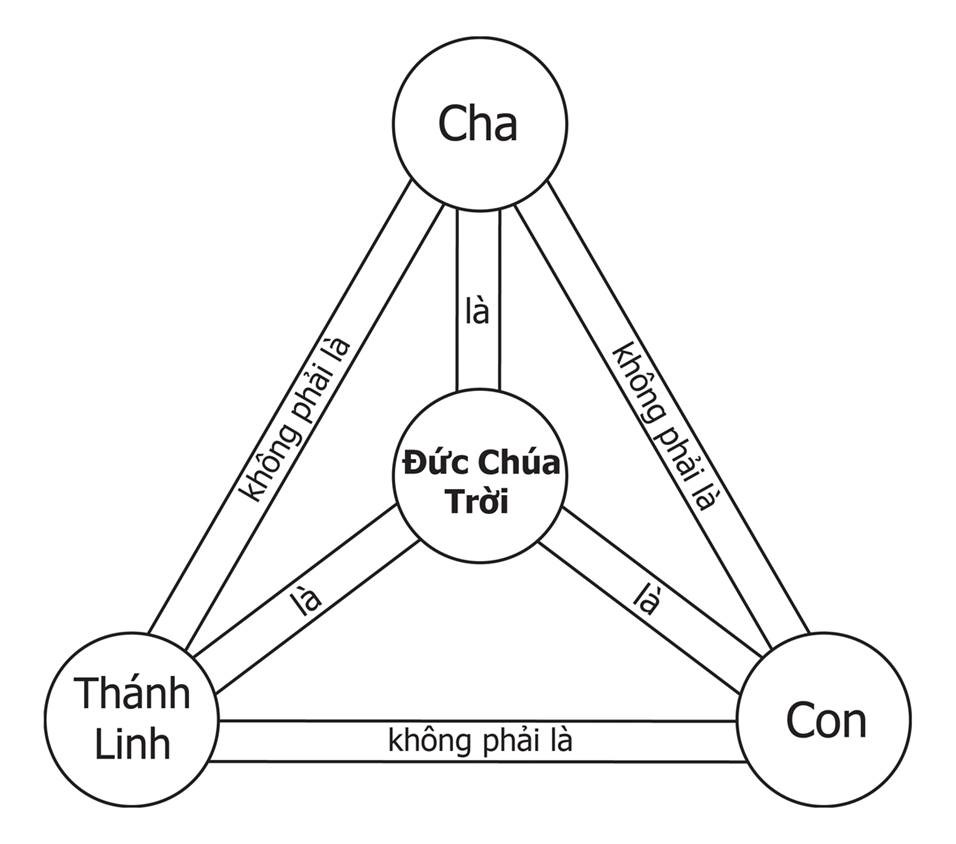
Ba Ngôi Đức Chúa Trời (BF&M: Trinity)—part 9

Baptist Faith and Message (2000)

Section 2: God

‘There is one and only one living and true God. He is an intelligent, spiritual, and personal Being, the Creator, Redeemer, Preserver, and Ruler of the universe. God is infinite in holiness and all other perfections. God is all powerful and all knowing; and His perfect knowledge extends to all things, past, present, and future, including the future decisions of His free creatures. To Him we owe the highest love, reverence, and obedience. The eternal triune God reveals Himself to us as Father, Son, and Holy Spirit, with distinct personal attributes, but without division of nature, essence, or being.’

English


Đức Tin và Thông Điệp của Người Báp-tít (2000)

Điều 2: Đức Chúa Trời

Chỉ có duy nhất một Đức Chúa Trời Đấng Tạo Hóa sống và chân thật. Ngài là một thực thể thông huệ, thiêng liêng và có cá tính, là Đấng Sáng Tạo, Đấng Cứu Chuộc, là Đấng Bảo Tồn, và là Đấng cai quản cả hoàn vũ. Đấng tạo hóa thánh khiết vô hạn, và Ngài có tất cả những sự hoàn hảo khác. Ngài là Đấng toàn năng, toàn tri và sự hiểu biết toàn vẹn của Ngài bao trùm cả mọi vật, trong quá khứ, trong hiện tại và trong tương lai. Ngài thật xứng đáng cho chúng ta dâng lên tình yêu, sự kính trọng và sự tuân phục cao nhất của chúng ta. Đức Chúa Trời là Chúa Ba Ngôi hằng hữu bày tỏ chính Ngài cho chúng ta qua Ngôi Đức Chúa Cha, Ngôi Đức Chúa Con và Ngôi Đức Thánh Linh, với những cá tính riêng biệt nhưng không phân chia về tính chất, bản thể hay thực thể.’

Tiếng Việt

(đây hoặc đây)

(GSiV: Trinitarian Illustrations & Outline)

(GSiV: Confessions/Các tín điều/Giáo lý DortTuyên Xưng Philadelphia & Tools)

A Few Confessions of Faith in Vietnamese

Confessions of Faith in Vietnamese:

Đức Tin và Thông Điệp của Người Báp-tít (Baptist Faith and Message, 2000)

Resources/Tài Liệu

A Prayer for the Church in Vietnam: Reformation Follow Up

‘Xin Đức Chúa Trời ban phước cho người Việt Nam hiểu rõ về nền tảng của sự Cứu Rỗi. Và ban cho nước Việt Nam dáy lên những người Tôi Tớ hiểu rõ về Lẽ Thật của Đức Chúa Giê-xu Christ. Xin Chúa ban cho nước Việt Nam có những Hội Thánh có Lẽ Thật được thành lập.’

-J

Cuộc Cải Chánh

Cầu Nguyện


Reformation History: Five Onlys–part 10

“CHỈ DUY NHẤT” NĂM CUỘC CẢI CHÁNH


Ngày cải chánh là ngày 31 tháng 10, là ngày mà Martin Luther (1483-1546) đóng đinh lên 95 câu gốc của ông ấy. Như vậy, “solas” (“chỉ duy nhất”) năm là…


  1. Chỉ có duy nhất Kinh Thánh: Chỉ có duy nhất Kinh Thánh là có quyền năng cho cuộc sống và thực hành trong Hội Thánh. (Chỉ có một mình Kinh Thánh; Tiếng La-tinh: Sola Scriptura)


  1. Chỉ có duy nhất ân điển: Chỉ có duy nhất ân điển cao cả của Đức Chúa Trời là lý do cho sự cứu rỗi của chúng ta mà thật sự không cần bất cứ tiềm năng hay là đạo đức nào của con người, sự cố gắng, đức tin, hay là việc làm. (Chỉ có một mình ân điển; Tiếng La-tinh Sola Gratia)


  1. Chỉ có duy nhất đức tin: Sự công bình chỉ duy nhất bởi đức tin và không có việc làm của con người. (Chỉ bởi một mình đức tin; Tiếng La-tinh Sola Fide)


  1. Chỉ có duy nhất Đấng Christ: Sự cứu rỗi thông qua một người và chỉ có duy nhất công tác thêm của Đức Chúa Giê-xu Christ. (Chỉ một mình Đức Chúa Giê-xu Christ mà thôi; Tiếng La-tinh Solus Christus)


  1. Chỉ có duy nhất vinh hiển của Đức Chúa Trời: Tất cả mọi việc đều tồn tại, lý do chính (cuối cùng/căn bản) là vì chỉ có duy nhất vinh hiển của Đức Chúa Trời mà thôi. (Chỉ một mình Chúa được tôn vinh; Tiếng La-tinh Soli Deo Gloria)


FIVE “ONLYS” OF THE REFORMATION


October 31 is Reformation Day, the day Martin Luther (1483-1546) nailed up his 95 theses. Thus, the five “solas” (“onlys”) are…


  1. Scripture Alone: Scripture alone as the authority for life and practice in the church. (Only Scripture; Latin: Sola Scriptura)


  1. Grace Alone: God’s sovereign grace alone as the reason for our salvation without any actual or potential human merit, effort, faith, or work. (Only Grace; Latin: Sola Gratia)


  1. Faith Alone: Justification by faith alone and no human works. (Only faith; Latin: Sola Fide)


  1. Christ Alone: Salvation through the Person and work of Jesus Christ alone. (Only Christ; Latin: Solus Christus)


  1. Glory of God Alone: All things exist ultimately for the glory of God alone. (Only God’s glory; Latin: Soli Deo Gloria)

GSiV: Luther, Calvin, Farel, Reformation (Tiếng Việt và Tiếng Anh)

Reformation History: John Calvin là ai?–part 9

Who is John Calvin?

‘John Calvin là nhà thần học hàng đầu của Phong Trào Cải Cách Giáo Hội (Reformation Movement) ông đã có những đóng góp to lớn cho Hệ Thống Thần Học Cải Cách (Reformed theology) hay cũng gọi là Chủ Thuyết Calvin (Calvinism). Chính ông đã biến Geneva thành trung tâm điểm phổ biến Thần Học Cải Cách  (Reformed Theology), ông đã viết nhiều tác phẫm và chính điều nầy đã khiến ông trở nên nhân vật lãnh đạo lổi lạc của phong trào cải cách giáo hội vào thế kỷ thứ 16. Một trong những tác phẩm nổi tiếng đầu tiên của Ông là quyển “ Thể Chế Cơ-Đốc Giáo (Institutes of the Christian Religion)  xuất bản đầu tiên bằng tiếng Latin năm ông 26 tuổi 1536,  tiếng Pháp năm 1541,  tái xuất bản bằng tiếng Latin năm 1559,  và tiếng Pháp năm 1560.’

-Mục Sư Nguyễn Xuân Bảo “Nhà-Thần-Học Sáng Lập Giáo Hội Trưởng-Lão & Cải-Cách” (Chưa in)

(GSiV: Luther, Calvin, Farel, Reformation)

Reformation History: John Calvin là ai?–part 8

Who is John Calvin?

‘Từ khi còn trẻ tuổi John Calvin là một học sinh xuất sắc và rất yêu mến Chúa; năm 1523, thân phụ Calvin là một luật-sư, gởi Calvin đến Đại-Học Paris, khởi sự học tiếng Latin và thần học, nhưng sau đó ông thay đổi ý kiến và khuyên con trai đi học luật. Sau khi tốt nghiệp Cử nhân luật khoa, Calvin tiếp tục theo học tại Đại Học Orlean và Đại Học Bourges. Năm 1532 ông tốt nghiệp Tiến-Sĩ Luật tại Orlean, nhưng ông không hành nghề luật sư, Calvin dọn về Paris, không ai biết được Calvin bắt đầu theo Phong Trào cải cách (Reformation Movement) từ lúc nào, nhưng theo sách  Giải-Kinh Thi-Thiên (Commentary on Psalms) John Calvin viết lời tựa “ Đức Chúa Trời đã bắt phục tôi và lời Ngài đã dạy tôi, sau khi biết được chân lý, lòng tôi nóng cháy  mong ước được tấn tới trong niềm tin cải cách.’

-Mục Sư Nguyễn Xuân Bảo “Nhà-Thần-Học Sáng Lập Giáo Hội Trưởng-Lão & Cải-Cách” (Chưa in)


(GSiV: Luther, Calvin, Farel, Reformation)

Reformation History: William Farel–part 7

‘Farel hated the pope with a passion and despised all papal ceremonies. His mission in life, as he conceived it, was to destroy every remnant of popery in images, ceremonies, and rituals, which were the standard diet of those held in Rome’s chains.

‘His strength was in his preaching. That is, it was not so much in his careful preparation of sermons, for he mostly preached without preparation, and none of his sermons have come down to us. His strength was in his powerful delivery. Schaff [History of the Christian Church (Grand Rapids: Wm. B. Eerdmans Publishing Co., 1950] writes:

”He turned every stump and stone into a pulpit, every house, street, and market-place into a church; provoked the wrath of monks, priests, and bigoted women; was abused, called ‘heretic’ and ‘devil,’ insulted, spit upon, and more than once threatened with death…. Wherever he went he stirred up all the forces of the people, and made them take sides for or against the new gospel.” (page 242)

‘But Schaff also writes: “No one could hear his thunder without trembling, or listen to his most fervent prayers without being almost carried up to heaven”’ (page 446).

by Hanko Herman

Read more

 (GSiV: Luther, Calvin, Farel, Reformation)

Reformation History: Calvin và Farel–part 6

‘While Calvin was thus engaged, the Reformation advanced into the French cantons of Switzerland. Guillaume Farel (1489–1565), a red-headed, hot-tempered, strong-voiced, prophetic individual, established the Reformation in Geneva. Farel was born into a middle-class French family and educated in French universities. Soon after 1521 he accepted Luther’s idea of justification by faith. Protected by Bern, he helped spread Reformed ideas. In 1532 he began work in Geneva. In 1535 he won a dispute with those opposed to the Reformation, and the General Assembly of Citizens formally adopted the ideas of the Reformers in 1536. Farel realized that he needed someone with more organizing ability to help him establish the Reformation in Geneva. During his travels, Calvin stopped in Geneva one night in 1536. Farel went to him and urged him to help him. When Calvin demurred because he loved the life of a student and writer of theology, Farel told him that the curse of God would be on him if he did not stay. Stricken by fear, as Calvin later confessed, he decided to remain. He and Farel cooperated until they were exiled in 1538. Calvin became a teaching minister of Geneva in 1536.’


‘Đang khi Calvin dự phần như thế, Cuộc Cải Chánh đã tiến vào các tổng nói tiếng Pháp tại Thụy Sĩ. Guillaume [William] Farel (1489-1565), một người tóc hoe đỏ, nóng tính, giọng nói mạnh mẽ và mang tính tiên tri, đã vững lập Cuộc Cải Chánh tại Geneva. Farel sinh ra trong gia đình người Pháp thuộc tầng lớp trung lưu và được học tại các đại học ở Pháp. Chẳng bao lâu sau năm 1521, ông đã tiếp nhận ý kiến của Luther về sự xưng công bình bởi đức tin. Được Bern [thành phố ở Thụy Sĩ] bảo vệ, ông đã giúp truyền bá các ý tưởng Cải Cách. Năm 1532, ông bắt đầu hoạt động tại Geneva. Năm 1535, ông đã chiến thắng cuộc tranh luận với những người đang chống đối Cuộc Cải Chánh, và Đại Hội Đòng Công Dân đã chính thức đi theo các ý kiến của các nhà Cải Chánh vào năm 1536. Farel nhận thấy cần người có tài tổ chức để giúp ông vững lâp Cuộc Cải Chánh tại Geneva. Một lần trong những chuyến đi, Calvin dừng chân tại Geneva một đêm kia vào năm 1536. Farel đến gặp Calvin và nài nỉ Calvin giúp mình. Khi Calvin lưỡng lự vì yêu thích cuộc sống của sinh viên và viết lách về thần học, Farel bảo ông rằng lời rủa sả của Đức Chúa Trời sẽ giáng trên ông nếu ông không ở lại. Vì sợ, như sau này Calvin đã thú nhận, ông đã quyết định ở lại. Ông và Farel đã cộng tác với nhau cho đến khi họ bị trục xuất vào năm 1538. Calvin đã trở thành vị mục sư giáo sư của Geneva vào năm 1536.’


-Earle E. Cairns, Christianity through the Centuries, 1996, ed 3rd, p. 303–304 / Cơ Đốc Giáo Trải Các Thế Kỷ, 2010, tr. 343

GSiV: Luther, Calvin, Reformation