

Sứ điệp: Sự An Ninh Đời Đời Của Người…
- #144: Sự An Ninh Đời Đời Của Người Ở Trong Chúa Cứu Thế Giê-xu – (Bài 16) Không Còn Đoán Phạt (Phần 1)
-ĐNS
(GSiV: Election; Atonement; Piper; Eternal security; Salvation; TULIP; Philadelphia Baptist Confession of Faith–part 21)
Philadelphia Baptist Confession of Faith–part 21
Chương thứ mười bảy (chapter 17):
“Sự Kiên Bảo Đức Tin Cho Các Thánh Đồ”
1. Những người đã được Đức Chúa Trời kêu gọi, tiếp nhận, làm cho nên thánh bởi Thánh Linh Ngài, cũng đã được Ngài ban cho đức tin; họ không thể nào bị mất sạch ân điển của Ngài, mà [a] nhất định sẽ giữ được đức tin cho đến cuối cùng và sẽ vĩnh viễn được cứu; họ sẽ cứ được ở trong các sự ban cho và kêu gọi không bao giờ thay đổi của Đức Chúa Trời (để từ đó Ngài cứ tiếp tục trưởng dưỡng cho họ đức tin, sự ăn năn, tình yêu thương, lòng vui mừng, sự trông cậy cùng với mọi ân điển từ Đức Thánh Linh để được ở trong sự sống đời đời của Đức Chúa Trời); dầu rằng họ sẽ cứ còn phải đối diện với nhiều giông bão trong đời sống đức tin nhưng nhất định là họ sẽ không bao giờ bị dứt khỏi vầng đá đức tin của họ là Đức Chúa Jêsus Christ bất chấp mọi cám dỗ của Satan để trở thành vô tín; dầu rằng lắm khi họ mất sự nhạy bén đối với sự sáng và tình yêu thương của Đức Chúa Trời, dầu rằng lắm khi [b] họ thấy sự sáng và tình yêu thương của Đức Chúa Trời cách mờ nhạt nhưng thật ra sự sáng và tình yêu thương của Ngài đối với họ vẫn cứ y nguyên và [c] nhất định quyền năng của Đức Chúa Trời sẽ cứ gìn giữ họ vĩnh viễn trong sự cứu rỗi của Ngài; họ sẽ được vui hưởng phước hạnh đã được Ngài mua chuộc, được gìn giữ trong tay Ngài, được chép tên trong Sách Sự Sống của Ngài cho đến đời đời.
[a] Gi. 10:28, 29; Php. 1:6; 2Ti. 2:19; 1Gi. 2:19
[b] Thi. 89:31, 32; 1Cô. 11:32
[c] Mal. 3:6
2. Sự kiên bảo đức tin này cho các thánh đồ không phụ thuộc vào ý chí tự do của họ mà phụ thuộc vào tính bất khả biến động của [d] sự định mạng của Đức Chúa Trời về những kẻ được chọn trong Nguyên Chỉ của Ngài là sự định mạng khởi xuất từ tình yêu bất biến của Đức Chúa Cha, thể theo công nghiệp cứu rỗi, cầu thay, và [e] hiệp nhất của Đức Chúa Jêsus Christ, thể theo [f] sự quyết chí đời đời của Đức Chúa Trời, thể theo Đức Thánh Linh ở cùng trong thân thể và đời sống của họ, thể theo [g] hột giống của Đức Chúa Trời đã được gieo trong họ, và thể theo bản chất của [h] giao ước ân điển của Đức Chúa Trời; tất cả những sự ấy đem lại sự bất bại và sự xác tín về sự kiên bảo đức tin cho các thánh đồ.
[d] Rô. 8:30; 9:11, 16
[e] Rô. 5:9, 10; Gi. 14:19
[f] Hê. 6:17, 18
[g] 1Gi. 3:9
[h] Giê. 32:40
3. Dầu rằng có những lúc các thánh đồ bị sa vào chước cám dỗ của Satan, sự kiêu ngạo của đời, sự mê tham của xác thịt còn sót lại trong đời sống họ, hoặc vì họ không chịu vận dụng các sự dự ứng của Đức Chúa Trời cho sự kiên bảo đức tin cho họ khiến họ có thể phạm [i] những tội lỗi đáng buồn; sự thật là hễ khi nào họ phạm tội thì họ mắc phải [k] sự bất bình của Đức Chúa Trời, sự bất hỉ của Đức Thánh Linh của Ngài, và khiến cho [l] sự dạy dỗ và ân điển của Đức Chúa Trời trở nên thiếu sức mạnh đối với họ thì lòng họ trở nên chai cứng, lương tâm họ trở nên méo mó, [m] họ làm tổn thương người khác và trở thành sự chướng ngại cho người khác nên chi [n] họ phải chịu sự sửa phạt có tính chất tình huống của Đức Chúa Trời; thế nhưng họ sẽ được làm mới lại về [o] sự ăn năn và vẫn được kiên bảo về đức tin trong Đức Chúa Jêsus Christ cho đến cuối cùng.
[i] Ma. 26:70, 72, 74
[k] Ês. 64:5, 9; Êph. 4:30
[l] Thi. 51:10,12
[m] Thi. 32:3,4
[n] 2Sa. 12:14
[o] Lu. 22:32, 61, 62
–Tuyên Xưng Philadelphia (1742)
(GSiV: A Few Confessions of Faith in Vietnamese; Gospel Grace Versus Dead Religion–part 6; Phúc Âm cho Cơ Đốc nhân;
Năm Luận Điểm: Sự Kiên Trì Của Các Thánh Đồ–part 15; Piper; Eternal security; Salvation)
Năm Luận Điểm: Sự Kiên Trì Của Các Thánh Đồ–part 15
‘Ý của phần này là điều nhấn mạnh bên trên về sự cần thiết của đức tin kiên trì và sự vâng phục không có nghĩa Chúa đang chờ đợi quan sát sự kiên trì và vâng phục của chúng ta rồi mới tuyên bố chúng ta hoàn toàn công bình trong sự liên hiệp với Đấng Christ. Rô-ma 5:1 nói rằng chúng ta “đã được xưng công bình bởi đức tin.” Đó là một hành động đã hoàn tất. Lần đầu chúng ta tin Chúa Jê-sus thì chúng ta đã được hiệp nhất với Đấng Christ. Trong sự liên hiệp với Ngài, sự công bình của Ngài được kể là sự công bình của chúng ta ngay lúc đó. Phao-lô nói ông nhắm mục tiêu để “được ở trong Ngài, được sự công bình, không phải công bình của tôi bởi luật pháp mà đến, bèn là bởi tin đến Đấng Christ mà được, tức là công bình đến bởi Đức Chúa Trời và đã lập lên trên đức tin” (Phi-líp 3:9).
‘Cơ sở chấp nhận của Đức Chúa Trời là chỉ nhờ Đấng Christ mà thôi—huyết và sự công bình của Ngài.’
-John Piper, Năm Luận Điểm: Hướng Đến Một Trải Nghiệm Sâu Nhiệm Hơn về Ân Điển của Đức Chúa Trời, Việt 2020, (Five Points, 2013; page 70), tr. 77.
(GSiV: Election; Atonement; Piper; Eternal security; Salvation; TULIP)
Some History on the “U” in TULIP
‘And of course, the issue of predestination–unconditional election–was the key controversy. The other elements kind of flowed from that, and so it made sense for the Synod to begin there. The attraction of TULIP, I think, is that there is a kind of logic to the order of TULIP, and I do believe if you start with total depravity, and you get people to really understand total depravity, then the rest of Calvinism does flow logically.
Now, we don’t believe it because it’s logical; we believe it because it’s biblical, and we can show biblical texts to support each of these points.’
-W. Robert Godfrey (Ligonier)
Read (or listen to) the whole thing here
(GSiV: A Mindset All Reformed Folks Need; ‘Giáo Luật của Dordt (Dort)’ Là Gì?–part 18; TULIP: Possible translations in Vietnamese; Election; Atonement; Piper; Eternal security; Salvation; Evangelism and Calvinism; TULIP; A great brief summary of Calvinism (in English); The Joys of Definite Atonement ;
Six-days of creation: Why it’s critical
“I think that the millions-of-years idea is one of the greatest assaults on the authority and clarity and reliability of the Scriptures.”
Terry Mortenson (AIG)
(time stamp 24:26)
Listen to the whole thing here
Justin Taylor was terribly wrong about this:
Tim Keller was terribly wrong about this:
See Mortenson’s solid response to Keller’s article:
(GSiV: GSiV Resource Page)
5 Điều…Về Việc Làm Cha Mẹ
- Nuôi dạy con cái là sứ mạng thiêng liêng mà Đức Chúa Trời đã giao phó cho bạn.
- Học vâng phục thẩm quyền là nền móng quan trọng.
- Tấm lòng là nguồn của sự sống.
-Tripp
Đọc them
(GSiV: GSiV Resource Page; Grace and Marriage: Base love on promises not performance; Những Nguyên Tắc Trong Hôn Nhân Có Đấng Christ Là Trung Tâm)
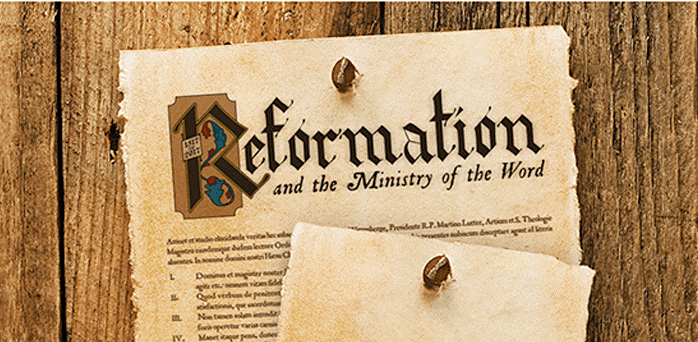
Errors of New Apostolic Reformation (NAR)
This so called “Reformation” has nothing to do with the historic Protestant Reformation kicked off by Luther in 1517.
“The New Apostolic Reformation (NAR) elevates personal experiences over Scripture, leading believers away from the gospel’s true focus. Its emphasis on power, cultural dominance, and man-centered teachings distorts biblical truth, urging Christians to return to the authority of the Bible alone.”
-Living Waters
Watch more here
(GSiV: NAR and church worship music: dangers abound; Is “Being Slain in the Spirit” biblical?; Prosperity Gospel? ; Được Thánh Linh Dẫn Dắt của ông Elliff–part 5; Interpreting impressions like “God told me…”; Elliff)
Justification and the Reformation: sự xưng công bình
‘Rao giảng và sống bày tỏ sự xưng công bình chỉ bởi đức tin mới tôn vinh hiển Đấng Christ, giải cứu tội nhân đang tuyệt vọng, khích lệ những thánh đồ bất toàn và củng cố các Hội thánh yếu đuối. Đây là một chân lý đầy kinh ngạc — Đức Chúa Trời xưng kẻ có tội là công bình bởi đức tin. “Còn kẻ chẳng làm việc chi hết, nhưng tin Đấng xưng người có tội là công bình, thì đức tin của kẻ ấy kể là công bình cho mình” (Rô-ma 4:5). Lịch sử chứng minh rằng: Rao truyền lẽ thật này sẽ tạo ra, cải cách và phục hưng Hội thánh.’
-Piper (tienphong.org)
Đọc them
(GSiV: Luther, Calvin, Farel, Reformation; Sanctification;
Reformation History: Five Onlys–part 10; Baptist; GSiV Resource Page; Grateful for the Reformation; What is Reformed theology?; A Few Confessions of Faith in Vietnamese; Philadelphia Baptist Confession of Faith)
Original Sin & Total Depravity series–part 13
Nguyên tội và Hoàn toàn bại hoại
(bại hoại / depravity)
What Is Original Sin?
‘The term “original sin” doesn’t refer to the first sin, committed by Adam, but to the result of that first sin. The Bible asserts not only that we sin a lot but that we’re sinful by nature. Therefore, writes Richard Phillips, “We have an inborn tendency to commit sin.”
As Paul wrote, “Sin came into the world through one man, and death through sin, and so death spread to all men because all sinned” (Rom. 5:12). All people, both in Paul’s day and ours, have sinned in the past. When did we sin? When Adam sinned. In his first sin, Adam represented his descendants with devastating results.’
-Bateman
Read more
(GSiV: Provisionism: Did God save people or just provide salvation?; Original Sin & Total Depravity series–part 12;Nguyên tội và Hoàn toàn bại hoại–part 1; A Few Confessions of Faith in Vietnamese; Gospel Grace Versus Dead Religion–part 6; Phúc Âm cho Cơ Đốc nhân; Philadelphia Baptist Confession of Faith–part 19; “Thế Nào Là Một Hội Thánh Khỏe Mạnh?”; Năm Luận Điểm: Ông John Piper–part 12; Nguyên tội và Hoàn toàn bại hoại–part 11)
Missions and the long patient journey
‘They may be ordinary and unflashy, but healthy churches are the consecrated common sense that builds for eternity. They’re the Bible’s missions strategy. Just as the gospel “sounded forth” from the first-century churches in Macedonia and Achaia (1 Thess. 1:8), so it continues to sound forth from churches today. Sometimes God moves in surprising ways, but generally the harvest doesn’t come immediately. It’s “first the blade, then the ear, then the full grain in the ear” (Mark 4:28). The sower doesn’t even know how the seed sprouts. “By itself,” the earth produces grain.’
Read more
(GSiV: Thinking through methods and missions; Expecting Rapid?; Debate about methods of church planting and discipling; Unreached People Groups and Overemphasis on Speed; A Plea for Gospel Sanity in Missions; Dangerous Desire for Church Growth; Miller: Success, Failure, and Grace; Church Growth, Planning, and Multiplication; Starting Churches: Making Disciples; Analysis of T4T; Phương pháp ‘Môn Đồ Hóa Dựa Trên Sự Vâng Phục’ là chủ nghĩa luật pháp phải không?; Rapid; Missions: Success, faithfulness, rapid, deception)
Thinking through methods and missions
Methods matter in ministry. They matter in overseas ministry too. Consider this article to think through key issues.
- ‘We long for (good) results and are prone to succumb to mechanistic ways of thinking–If only we implement A and B, then the strategy will lead to C.’
- ‘Listening to God’s word chastens triumphalist or mechanistic thinking, reminding us that, in the work of missions (or parenting or pastoring, for that matter), the success of our labors depends not on our carefully honed methods but on the authority of him who calls.’
- ‘The effectiveness of their ministry does not depend on the latest strategy and how well they can implement it, nor does it depend on the winsomeness of their speech or the depth of their sociological research.’
- ‘When the going is slow, when the soil is hard, don’t look first for a new method to advance the gospel.’
- ‘No amount of human strategy or ingenuity can twist the arm of his sovereign strength.’
Read the whole thing here
(GSiV: Expecting Rapid?; Debate about methods of church planting and discipling; Unreached People Groups and Overemphasis on Speed; A Plea for Gospel Sanity in Missions; Dangerous Desire for Church Growth; Miller: Success, Failure, and Grace; Church Growth, Planning, and Multiplication; Starting Churches: Making Disciples; Analysis of T4T; Phương pháp ‘Môn Đồ Hóa Dựa Trên Sự Vâng Phục’ là chủ nghĩa luật pháp phải không?; Rapid; Missions: Success, faithfulness, rapid, deception)
Spurgeon on the atonement
‘Let the Christian feel that the teaching which lowers the work of Christ or makes it dependent upon the will of man as to its effect, puts the Cross on the ground and says, “That blood is shed, but it may be shed in vain, shed in vain for you”–let us all feel that such teaching comes not from the Spirit of God! That teaching which, pointing to the Cross, says, “He shall see of the travail of His soul and shall be satisfied.” That teaching which makes the Atonement a true atonement which forever put away the vindictive Justice of God from every soul for whom that Atonement was offered, exalts Christ and, therefore, it is a teaching which comes from the Spirit of God! When your heart is brought to rest upon what Christ has done. When, laying aside all confidence in your own works, knowledge, prayers, doing, or believing, you come to rest upon what Christ has done in its simplicity–then is Jesus Christ exalted in your heart and it must have been the work of the Spirit of Divine Grace! The Person, then, and the work of Christ are exalted.’
-C. H. Spurgeon
“The Spirit’s Office Towards Disciples,” (No. 3062)
A Sermon Published on Thursday, October 17, 1907
Read the whole thing here
(GSiV: Spurgeon; TULIP: Possible translations in Vietnamese; Election; Atonement; Piper; Eternal security; Salvation;Evangelism and Calvinism; TULIP; A great brief summary of Calvinism (in English); Arminianism ; TULIP là gì?; The Joys of Definite Atonement ; Phúc Âm cho Người Cơ Đốc (Spurgeon)–phần 6; Spurgeon)





 QUYỀN NĂNG CAO CẢ CỦA ĐỨC CHÚA TRỜI Ở VIỆT NAM (Ê-phê 1:4-5)