
Những Nguyên Tắc Trong Hôn Nhân Có Đấng Christ…part 2
(“Elements of a Christ-Centered Marriage”)
‘Hôn nhân là việc khó khăn. Hôn nhân không phải là công việc với 40 hoặc 50 giờ mỗi tuần nhưng đó là công việc với 168 giờ trong một tuần, 365 ngày trong một năm và “chỉ có sự chết mới phân rẽ chúng ta”. Trong hôn nhân không có bất cứ kỳ nghĩ, ngày nghĩ nào cả. Nhưng hôn nhân là công việc khó khăn không có nghĩa đó là sự bất hạnh, sự phiền muộn hay là sự lao khổ. Hôn nhân là việc khó khăn mang ý nghĩa về sự đòi hỏi chúng ta phải chú ý đến từng chi tiết trong mối quan hệ vợ chồng. Chúng ta học được điều đó qua sự phục vụ quên mình cho người vợ hoặc người chồng của chúng ta và chúng ta phải đảm bảo những nguyên tắc cần thiết trong hôn nhân, để có thể xây dựng, củng cố và cải thiện mối quan hệ vợ chồng….
- ‘1. Hôn nhân có Đấng Christ là trung tâm đòi hỏi sự tận hiến cho Chúa….
- ‘2. Hôn nhân có Đấng Christ là trung tâm được nhìn thấy qua sự phục vụ lẫn nhau….
- ‘3. Hôn nhân có Đấng Christ là trung tâm là nơi thực hành sự khiêm nhường, Chúa Giê-xu phán rằng “Ta có lòng nhu mì, khiêm nhường;” (Ma-thi-ơ 11:29)….’
-Phil Newton
Xem thêm:
Những Nguyên Tắc Trong Hôn Nhân Có Đấng Christ Là Trung Tâm
(See other items at GSiV Resources page)
Những Nguyên Tắc Trong Hôn Nhân Có Đấng Christ…part 1
(“Elements of a Christ-Centered Marriage”)
‘1. Hôn nhân có Đấng Christ là trung tâm đòi hỏi sự tận hiến cho Chúa….
‘2. Hôn nhân có Đấng Christ là trung tâm được nhìn thấy qua sự phục vụ lẫn nhau….
‘3. Hôn nhân có Đấng Christ là trung tâm là nơi thực hành sự khiêm nhường, Chúa Giê-xu phán rằng “Ta có lòng nhu mì, khiêm nhường;” (Ma-thi-ơ 11:29)….
‘4. Hôn nhân có Đấng Christ là trung tâm là nơi thực hành sự tha thứ….
‘5. Hôn nhân có Đấng Christ là trung tâm thì sống trong tình yêu hy sinh. Đó là kiểu mẫu mà Chúa Giê-xu đã thiết lập khi Ngài phó chính mình Ngài cho Hội thánh bởi sự chết của Ngài (Ê-phê-sô 5:25)….’
-Phil Newton
Xem thêm:
Những Nguyên Tắc Trong Hôn Nhân Có Đấng Christ Là Trung Tâm
(See other items at GSiV Resources page)
Sự Nên Thánh và Phúc Âm—part 2
Sự nên thánh là gì?
Chi tiết:
- Còn Hơn Là Một Cuốn Sách Luật Lệ
- Môn Đồ Hóa Được Dựa Trên Việc Thực Hiện
- Phúc Âm Là Dành Cho Các Cơ Đốc Nhân
- Không Có “Chủ Nghĩa Tin Dễ Dàng”
- Chúng Ta Chết Vì Tội Lỗi
- Xét Đến Chính Bạn Chết Cho Tội Lỗi
- Sự Nên Thánh Tiến Bộ
-Jerry Bridges, “Gospel Driven Sanctification”
Xem thêm: Nên Thánh Động Lực Bởi Phúc Âm
GSiV Resources page
(Also see these links at GSiV)
Elements of a Christ-Centered Marriage
Here’s an outline to a great article on one of the greatest and toughest relationships we have:
‘Marriage is hard work…. But some don’t want to work at marriage….
‘1. A Christ-centered marriage involves mutual devotion to Jesus Christ. In other words, a couple can marry, work hard at their relationship, learn to serve each other, and end up having a pretty good relationship. But that’s not Christ-centered….
‘2. A Christ-centered marriage is characterized by serving one another. No one gave a more gripping picture of service than Jesus Christ, knowing that He was God Incarnate heading back to the Father via the cross and the tomb, and yet He stooped to wash His disciples’ feet before the Last Supper (John 13)….
‘3. A Christ-centered marriage practices humility. Jesus declared, “For I am gentle and humble in heart” (Matt 11:29)….
‘4. A Christ-centered marriage practices forgiveness. With two sinners, redeemed though they are, joined in marriage, there will be times when words, attitudes, actions, silence, and cross looks offend….
‘5. A Christ-centered marriage is lived in sacrificial love. That’s the pattern that Jesus established when He gave Himself for the Church in sacrificial death (Eph 5:25)…..
‘6. A Christ-centered marriage communicates. The Apostle John emphasized Christians fellowshipping with Christ as well as with one another (1 John 1:3)….
‘7. A Christ-centered marriage grows in intimacy. Don’t we do that with Christ? We seek to grow in the grace and knowledge of Jesus Christ….
‘8. A Christ-centered marriage is lived together in the hope of Christ. Instead of centering everything on kids, houses, cars, careers, vacations, and bank accounts, when we’re tethered to Christ our buoyant hope is fixed on Him and His promises….
‘9. A Christ-centered marriage is church-engaged. If Christ died to save the church (Acts 20:28), then a Christ-centered marriage cannot treat the church as a marginal part of their lives….
‘… Let’s find deepening satisfaction in marriage by Jesus Christ as its center.’
-Phil Newton
Grace and the Asian Mind
Is grace extra hard to grasp for the Asian mind? Here’s one Asian American’s view:
‘A gift given means a gift must be repaid.…
‘Principle of Reciprocity
‘My family’s social dynamics, both American and Chinese, generally reflected principles found in Confucian-influenced worldviews….
‘Can You Repay Grace?
‘But what happens when someone tries to repay God for his gift of Jesus Christ? It’s easy to agree logically that the gift of Jesus can never be repaid….
- ‘1. God’s grace can never be repaid. A gift by God’s definition is free, and his gift of salvation comes by grace….
- ‘2. God deserves eternal praise. God is worthy of infinite honor and glory (1 Tim. 1:17; Jude 24–25)….
- ‘3. The obligation to glorify him is good. While the desire to repay God for grace is faith-killing, our obligation to give God his due is faith-driving and faith-enlivening….
‘Put Reciprocation to Rest
‘Trying to repay God by singing a few songs or giving a few hours of service only cheapens and nullifies the very thing that ought to be cherished….
-Jeremy Yong, “Why Grace Is Hard for Me as an Asian American”
Read whole article here
What is church discipline?
We thank the Lord for ministries like 9Marks and their many resources; we especially are grateful for how those tools about church discipline.
- ‘Church discipline is the church’s act of confronting someone’s sin and calling them to repent, which, if the person doesn’t repent…
- ‘In a broader sense, discipline is everything the church does to help its members pursue holiness and fight sin….
- ‘Sometimes people distinguish between these two types of discipline by calling the former “corrective discipline” and the latter “formative discipline.”
- ‘Corrective: The New Testament commands and depicts corrective discipline in passages like Matthew 18:15-17….
- ‘Formative: The New Testament speaks about formative discipline in countless passages about pursuing holiness and building one another up in the faith, such as Ephesians 4:11-32 and Philippians 2:1-18….’
-Mark Dever
(Other 9Marks resources in VN: COS)
Đức Chúa Trời và Sự Cứu Rỗi–14
‘Thêm những nhận định khách quan, thuyết Calvin liên quan đến sự cứu rỗi được biết qua nhóm chữ cái đầu của từ, TULIP:
- T (Total Depravity) Tuyệt Đối băng hoại: Từng khía cạnh trong con người (VD: tâm trí, ý muốn, linh hồn, vv) bị bại hoại bởi ảnh hưởng của tội lỗi. Con người vô cùng xấu xa, hoàn toàn băng hoại, và chết trong tội lỗi mình, vì vậy con người cần sự sống từ Đức Chúa Trời.
- U (Unconditional Election) Được chọn vô điều kiện: Trong cõi đời đời Đức Chúa Trời chọn những người Ngài sẽ cứu, không dựa vào phẩm hạnh của họ hay bất kỳ công đức nào họ làm hay đức tin mà họ có nhưng dựa trên ý muốn tốt lành của Ngài.
- L (Limited Atonement) Sự chuộc tội có giới hạn: Chúa Cứu Thế chỉ chết chuộc tội cho những người đã được chọn.
- I (Irresistable Grace) Ân điển không thể cưỡng lại: Những người Đức Chúa Trời đã chọn sẽ tin thì được cứu.
- P (Perseverance of the Saints) Sự kiên trì của các thánh đồ: Các Cơ đốc nhân sẽ tiếp tục đức tin của mình. Họ sẽ không mất sự cứu rỗi.’
SOME ENGLISH:
‘More objectively stated, Calvinism as it relates to salvation is known by its acronym, TULIP:
- Total Depravity: every aspect of mankind’s being (e.g., mind, will, soul, etc.) is tainted by sin’s effects. Man is not as bad as he could be, but is nonetheless thoroughly sinful, and therefore, dead in his sin and needing life from God….’
– Đoạn 16, GSiV: Xem chi tiết
Phúc Âm Là Gì? Một Vài Tài Liệu (Tiếng Việt)
WHAT IS THE GOSPEL? A FEW RESOURCES IN VIETNAMESE
1) MỘT SỐ PHIM PHÚC ÂM (BẰNG TIẾNG VIỆT)
a. “TIN-LÀNH THEO LU-CA,” LumoProject, Nhiều tập (Gospel of Luke, in short video clips) xem
b. “PHIM CUỘC ĐỜI CHÚA GIÊ-XU,” (The JESUS film) xem
c. “TỪ BUỔI SÁNG THẾ ĐẾN CHÚA CỨU THẾ,” (Creation to Christ, cartoon/hoạt hình) xem
d. DỰ ÁN KINH THÁNH, The Bible Project, Nhiều tài liệu (Many video resources) xem
e. “NGUỒN HY VỌNG,” (The source of hope) xem
f. “2 CÁCH SỐNG,” Two ways to live, (In a short video with drawings) xem
2) MỘT SỐ TIỂU LUẬN PHÚC ÂM (BẰNG TIẾNG VIỆT)
a. “CÂU CHUYỆN LỚN KINH THÁNH” / The Bible’s Big Story đọc
- ChristCenteredResourcesAsia.com
b. “HAI LỐI ĐI, MỘT ĐƯỜNG VỀ” đọc hay nghe
- Grace Community Church/Sun Valley, CA–USA
c. “TIN LÀNH CỦA CHÚA GIÊ-SU” đọc
- HeartCry/Virginia–USA
d. “PHÚC ÂM TRONG 6 PHÚT” đọc
- Desiring God/Minnesota–USA
e. “TRUYỀN GIÁO VÀ PHÚC ÂM” đọc
- 9Marks/Washington DC–USA
f. “CLARITY ON THE GOSPEL: WHY JESUS CAME” (bằng tiếng Việt và tiếng Anh) đoc
- GSiV
(GSiV: Những Tài Liệu)
Sự Hòa Thuận và Sự Xung Khắc?
Phương Pháp Giải Quyết Xung Khắc
Mở đầu: Khi sự xung khắc thật sự xảy ra thì phải có một giải pháp thật sự đúng dắn
- Trượt Dài vào Sai Lầm
- Trung Gian Hòa Giải
- Giúp Hai Bên Hòa Giải với Nhau
- Những Chi Tiết Cơ Bản của Việc Tư Vấn Hòa Giải
- Noi theo Gương Khôn Ngoan của Vua Sa-lô-môn
- Chuẩn Bị cho Hai Bên Sẵn Sàng Hòa Thuận với Nhau
-Ken Sande và Ted Kober
From Peacemaker Ministries
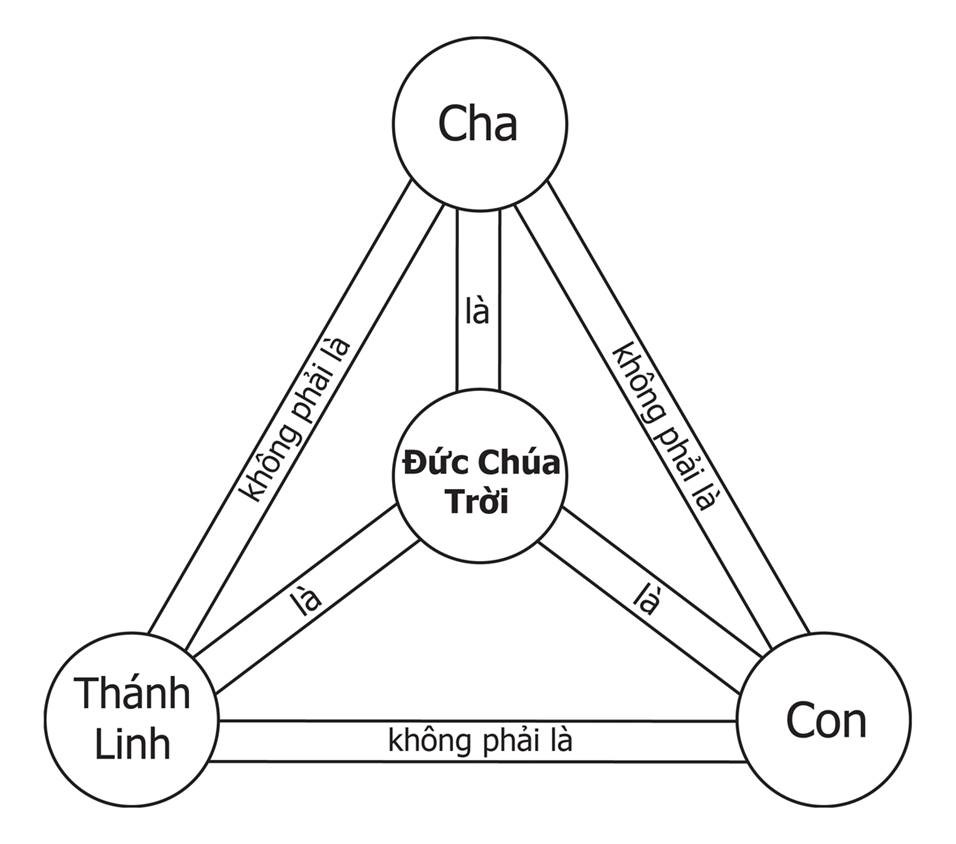
Ba Ngôi Đức Chúa Trời (BF&M: Trinity)—part 9
Baptist Faith and Message (2000)
Section 2: God
‘There is one and only one living and true God. He is an intelligent, spiritual, and personal Being, the Creator, Redeemer, Preserver, and Ruler of the universe. God is infinite in holiness and all other perfections. God is all powerful and all knowing; and His perfect knowledge extends to all things, past, present, and future, including the future decisions of His free creatures. To Him we owe the highest love, reverence, and obedience. The eternal triune God reveals Himself to us as Father, Son, and Holy Spirit, with distinct personal attributes, but without division of nature, essence, or being.’
Đức Tin và Thông Điệp của Người Báp-tít (2000)
Điều 2: Đức Chúa Trời
Chỉ có duy nhất một Đức Chúa Trời Đấng Tạo Hóa sống và chân thật. Ngài là một thực thể thông huệ, thiêng liêng và có cá tính, là Đấng Sáng Tạo, Đấng Cứu Chuộc, là Đấng Bảo Tồn, và là Đấng cai quản cả hoàn vũ. Đấng tạo hóa thánh khiết vô hạn, và Ngài có tất cả những sự hoàn hảo khác. Ngài là Đấng toàn năng, toàn tri và sự hiểu biết toàn vẹn của Ngài bao trùm cả mọi vật, trong quá khứ, trong hiện tại và trong tương lai. Ngài thật xứng đáng cho chúng ta dâng lên tình yêu, sự kính trọng và sự tuân phục cao nhất của chúng ta. Đức Chúa Trời là Chúa Ba Ngôi hằng hữu bày tỏ chính Ngài cho chúng ta qua Ngôi Đức Chúa Cha, Ngôi Đức Chúa Con và Ngôi Đức Thánh Linh, với những cá tính riêng biệt nhưng không phân chia về tính chất, bản thể hay thực thể.’
(GSiV: Trinitarian Illustrations & Outline)
(GSiV: Confessions/Các tín điều/Giáo lý Dort & Tuyên Xưng Philadelphia & Tools)
A Few Confessions of Faith in Vietnamese
Confessions of Faith in Vietnamese:
- Bài Tín Điều Các Sứ Đồ (Apostles’ Creed)
- Tín Điều Nicaea (Nicene Creed)
- Bài Tín điều Athanasius (Athanasian Creed)
- Sách Giáo Lý Có Câu Hỏi Vấn Đáp Heidelberg (Heidelberg Catechism) [link problems]
- Heidelberg Catechism (Vietnamese and English)
- Sách Giáo Lý Có Câu Hỏi Vấn Đáp–Theo Quan Điểm Tin Lành Báp Tít (1689), “Giáo Lý Vấn Đáp,” Baptist Catechism (1689) (“Giáo Lý Vấn Đáp” (Bản Tiếng Việt Của “The Baptist Catechism 1689”) (Temporary link)
- Giáo Lý Vắn Tắt Westminster / Sách Giáo Lý Có Câu Hỏi Vấn Đáp Westminster (1646), Westminster Shorter Catechism (1646)
- Giáo Lý Vấn Đáp Thành Phố Mới / Sách Giáo Lý Có Câu Hỏi Vấn Đáp Thành Phố Mới (New City Catechism)
- Giáo Luật của Dordt (Dort) / Canons of Dordt (Dort)
- Xưng Nhận Đức Tin Belgic (Belgic Confession)
- Xưng Nhận Đức Tin / Tuyên Xưng Đức Tin Philadelphia (Philadelphia Baptist Confession of Faith, 1742)(Temporary link)
- Xưng Nhận Đức Tin / Tuyên Xưng Đức Tin Cambridge / Tuyên Ngôn Cambridge (The Cambridge Declaration, 1996) (Temporary link)
Đức Tin và Thông Điệp của Người Báp-tít (Baptist Faith and Message, 2000)



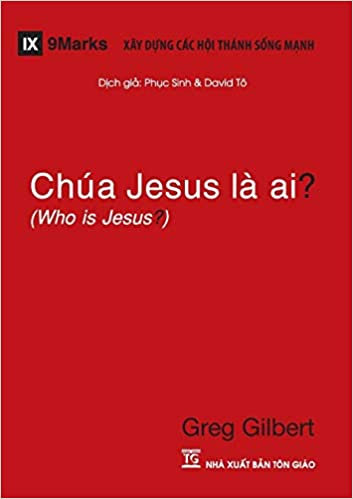

 QUYỀN NĂNG CAO CẢ CỦA ĐỨC CHÚA TRỜI Ở VIỆT NAM (Ê-phê 1:4-5)