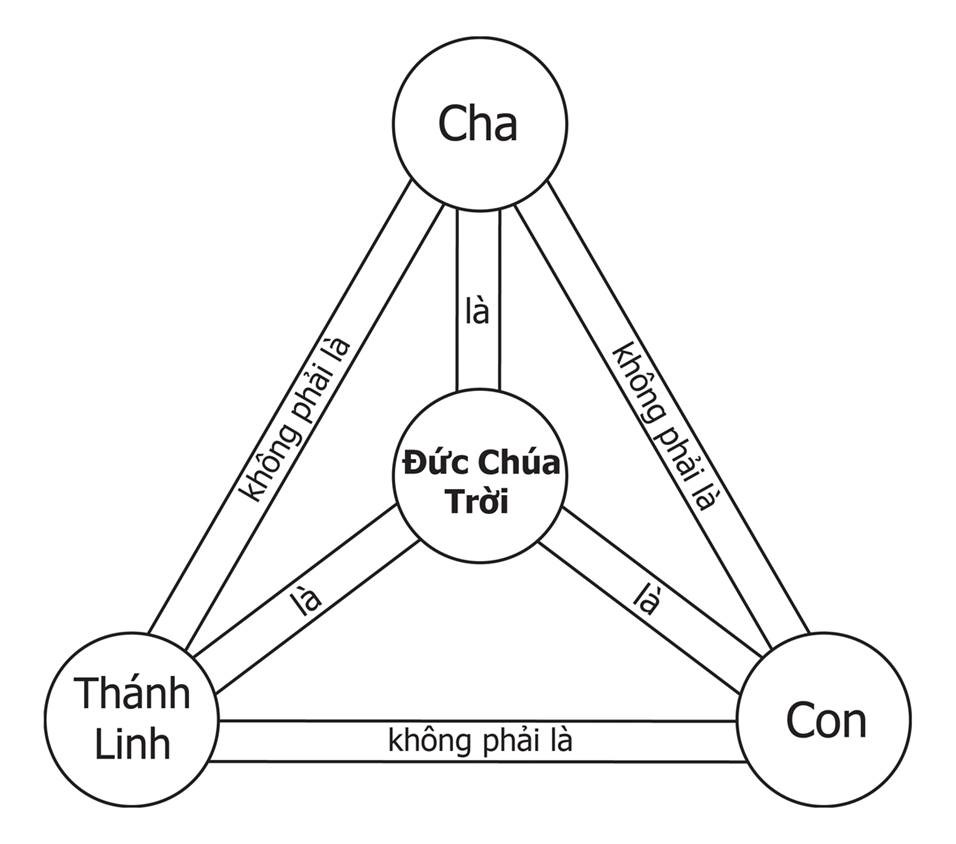

QUYỀN NĂNG CAO CẢ CỦA ĐỨC CHÚA TRỜI Ở VIỆT NAM (Ê-phê 1:4-5)

Our Lord Receives Sinners: Spurgeon

This man [Jesus] receives sinners (Luke 15:2), but He does not push any away. We come to Him in weakness and sin, with trembling faith, small knowledge, and slender hope – but He does not cast us out. We come by prayer, and that prayer is broken. We come with confession, and that confession is faulty. We come with praise, and that praise is far short of His merits; yet He receives us. We come diseased, polluted, worn out, and worthless, but He will certainly not cast any of us out. Let us go again today to Him who never casts us out.’

-Charles Spurgeon, Faith’s Checkbook (January 13)

(GSiV: SpurgeonKey materials on gospel grace )

Cut Satan’s throat with his own sword

‘When the devil tells us we are sinners and therefore damned, we may answer, “Because you say I am a sinner, I will be righteous and saved.” Then the devil will say, “No, you will be damned.” And I will reply, “No, for I fly to Christ, who has given himself for my sins. Satan, you will not prevail against me when you try to terrify me by telling me how great my sins are and try to reduce me to heaviness and despair. On the contrary, when you say I am a sinner, you give me armor and weapons against yourself, so that I can cut your throat with your own sword and tread you under my feet, for Christ died for sinners. My sin is on his shoulders, not mine. So when you say I am a sinner, you do not terrify me but comfort me immeasurably.’

-Martin Luther, commenting on Galatians 1:4

Read more

(GSiV: LutherKey materials on gospel grace )

Năm Luận Điểm: Ông John Piper–part 12

Chương 3. SỰ BẠI HOẠI HOÀN TOÀN

‘Khi nói về sự bại hoại của loài người, chúng ta ngụ ý về tình trạng tự nhiên của con người khi chưa có bất kỳ ân điển nào mà Đức Chúa Trời dùng để chế ngự hoặc biến đổi họ.

‘Tính triệt để của sự bại hoại đó rõ ràng không có nghĩa là con người làm mọi điều ác mà khả năng mình có thể thực hiện được. Hiển nhiên là con người có khả năng tiến hành nhiều điều ác cho nhau hơn là những gì đã có. Nhưng nếu con người bị chế ngự không thực hiện hành vi tội ác bằng những động cơ không xuất phát từ sự vui lòng đầu phục Đức Chúa Trời, thì ngay cả “đức hạnh” của người ấy đã là xấu xa trong mắt Ngài. Rô-ma 14:23 nói rằng, “điều chi không bởi đức-tin thì điều đó là tội-lỗi.”7 Đây là lời cáo buộc triệt để cho hết thảy “đức hạnh” tự nhiên, không xuất phát từ một tấm lòng hạ mình nương cậy vào ân điển Chúa.’

-John Piper, Năm Luận Điểm: Hướng Đến Một Trải Nghiệm Sâu Nhiệm Hơn về Ân Điển của Đức Chúa Trời, Việt 2020, (Five Points, 2013), tr. 17-18.

E-book of Piper’s, Năm Luận Điểm, now available

(GSiV: The human will in bondage to sinMọi sự đều tùy thuộc vào ý chỉ của Chúa: LutherElectionAtonementPiperEternal security;Salvation)

How not to have critical spirit

‘So what are the strategies that I have found in the Bible and in my own life that might be helpful here not to be a hypercritical or judgmental person? You’d have to ask my wife how successful I’ve been at this, but I’m sure bent on being better.

  • ‘1. Recognize your own faults.
  • 2. Remember what you’ve been saved from….’

-Ask Pastor John [Piper]

Listen to the whole thing here

(GSiV: HumilityRay OrtlundDane OrtlundJerry BridgesPiper)

Less talent: rewarded for faithfulness

‘So one servant produced more than twice the other. But remarkably, they’re given the same word-for-word commendation: “Well done, good and faithful servant. You have been faithful over a little; I will set you over much. Enter into the joy of your master” (Matt. 25:21, 23).

  • [Matthew 25:21–23 (ESV) — His master said to him, ‘Well done, good and faithful servant. You have been faithful over a little; I will set you over much. Enter into the joy of your master.’ And he also who had the two talents came forward, saying, ‘Master, you delivered to me two talents; here, I have made two talents more.’ His master said to him, ‘Well done, good and faithful servant. You have been faithful over a little; I will set you over much. Enter into the joy of your master.’]

‘These servants aren’t being rewarded for being good and prosperous or good and productive; they’re rewarded for being good and faithful.’

Read all here

 (GSiV: Missions: Success, faithfulness, rapid, deception; Miller: Success, Failure, and Grace)

What guarantees the success of evangelism?

‘This view of the atonement guarantees the success of evangelism. God has a people who will be saved infallibly through the preaching of the Gospel. He has chosen them. Christ has died for them. And the Spirit will regenerate them through the message of salvation. This truth kept Paul going in the face of discouragement at Corinth (Acts 18:9–10), and it will keep us going on in our evangelistic efforts today — not only locally, but globally (Rev. 5:9).’

-Tom Ascol

Read it all here

(GSiV: Evangelism and Calvinism ArminianismAtonementElection 

Earning vs effort: grace, justification, and sanctificationSalvationPiperTULIP)

Nhu mì và Khiêm nhường, Ông D. Ortlund—Part 5

‘Khi nhìn vào những thánh đồ lớn tuổi đầy rạng rỡ trong hội thánh, bạn nghĩ nhờ đâu họ được như vậy? Đúng, nhờ giáo lý đúng đắn. Vâng lời tuyệt đối, rõ ràng rồi. Chịu khổ mà không chút hoài nghi, chắc chắn là như vậy. Nhưng có lẽ còn có lý do khác nữa, có thể lý do sâu xa nhất là, theo thời gian, với lòng yên mến sâu xa, họ đã bị chinh phục bởi một Cứu Chúa nhu mì. Có lẽ suốt nhiều năm họ nếm biết nỗi kinh ngạc về một Đấng mà chính tội lỗi của họ kéo Ngài đến, thay vì đẩy Ngài ra xa. Có lẽ họ không chỉ biết rằng Chúa Giê-xu yêu họ mà còn cảm nhận được tình yêu ấy.’

-Dane Ortlund, Gentle and Lowly: The Heart of Christ for Sinners and Sufferers (2020) / Nhu Mì và Khiêm Nhường: Tấm Lòng của Đấng Christ Đối Với Tội Nhân và Người Đang Đau Khổ (2022), tr 77.

Mua sách ở đây

(GSiV: Taking our miseries to the LordReplacing our assumptions with God’s loveDane OrtlundPart 1Part 2Part 3Part 4)

You can top it

‘Blame sharing is another indicator that anger is simmering in our hearts. “I am above, I am better, so I must deflect some of this blame onto you.” Meanwhile, one of the marks of wisdom is a growing humility that knows you are worse than you think. Whatever wrong you see in someone else, you know you can top it somewhere in your life. So we want to make it our goal to love others more than we want to be loved by them.’

– Ed Welch, A Small Book about a Big Problem, p. 80 (Day 45)

(GSiV: HumilityRay OrtlundDane OrtlundJerry BridgesPiper)

Bible verses that highlight God’s supremacy 

These are just a few of the verses in the Bible that highlight his supremacy.

Genesis 1:1 “In the beginning, God created the heavens and the earth.”

Sáng-thế Ký 1:1 Ban đầu Đức Chúa Trời dựng nên trời đất.

Genesis 20:6 “Then God said to him in the dream, “Yes, I know that you have done this in the integrity of your heart, and it was I who kept you from sinning against me. Therefore I did not let you touch her.”

Sáng-thế Ký 20:6 Trong cơn chiêm bao, Đức Chúa Trời phán nữa rằng: Ta cũng biết ngươi vì lòng ngay thẳng mà làm điều đó; bởi cớ ấy, ta mới ngăn trở ngươi phạm tội cùng ta, và không cho động đến người đó.

Genesis 41:51 “Joseph called the name of the firstborn Manasseh. “For,” he said, “God has made me forget all my hardship and all my father’s house.””

Sáng-thế Ký 41:51 Giô-sép đặt tên đứa đầu lòng là Ma-na-se, vì nói rằng: Ðức Chúa Trời đã làm cho ta quên điều cực nhọc, và cả nhà cha ta.

Read more here

(GSiV: A Few Confessions of Faith in VietnameseMore Resources)

The crushing obligation to do more

In a recent article by Kevin DeYoung, he writes,

‘I think most Christians hear these urgent calls to do more (or feel them internally already) and learn to live with a low-level guilt that comes from not doing enough. We know we can always pray more and give more and evangelize more, so we get used to living in a state of mild disappointment with ourselves. That’s not how the apostle Paul lived (1 Cor. 4:4), and it’s not how God wants us to live, either (Rom. 12:1–2).’

Keep reading

 (GSiV: Jerry BridgesResourcesGospel Grace Versus Dead Religion–part 6)

Needy debtors to mercy and grace

The Anglican bishop J.C. Ryle (1816-1900) wisely said, 

“Let us not expect too much from our own hearts here below. At our best we shall find in ourselves daily cause for humiliation, and discover that we are needy debtors to mercy and grace every hour. The more light we have, the more we shall see our own imperfection. Sinners we were when we began, sinners we shall find ourselves as we go on: renewed, pardoned, justified – yet sinners to the very last.”

Holiness

Chp 2: Sanctification

(GSiV: SanctificationGrace;

Ân điển, chứ không phải những quy tắc / Grace not rules;

Earning vs effort: grace, justification, and sanctification;

Gospel Grace Versus Dead Religion–part 6)